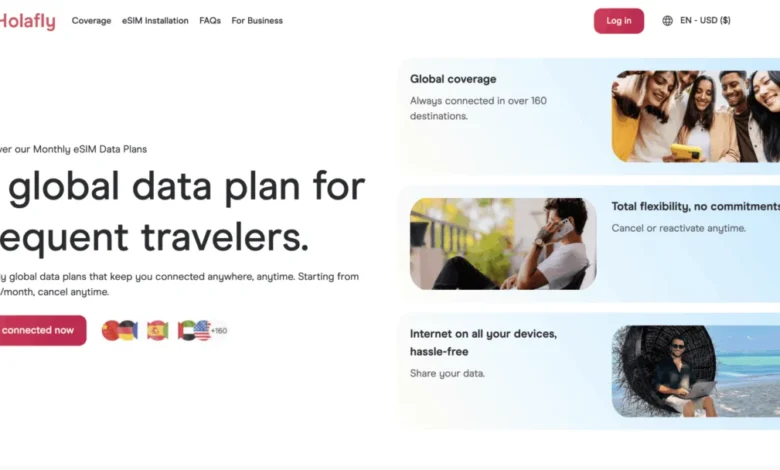
The landscape of international mobile connectivity has undergone a seismic shift with the transition from physical SIM card swapping to the widespread adoption of eSIM technology. As global travel rebounds to pre-pandemic levels, the demand for seamless, borderless data solutions has catalyzed the emergence of a new market category: the ongoing global eSIM subscription. Companies like Holafly are pivoting from transactional, single-trip models toward long-term, subscription-based services, mirroring the structure of domestic telecommunications providers while removing the friction of regional border crossings.
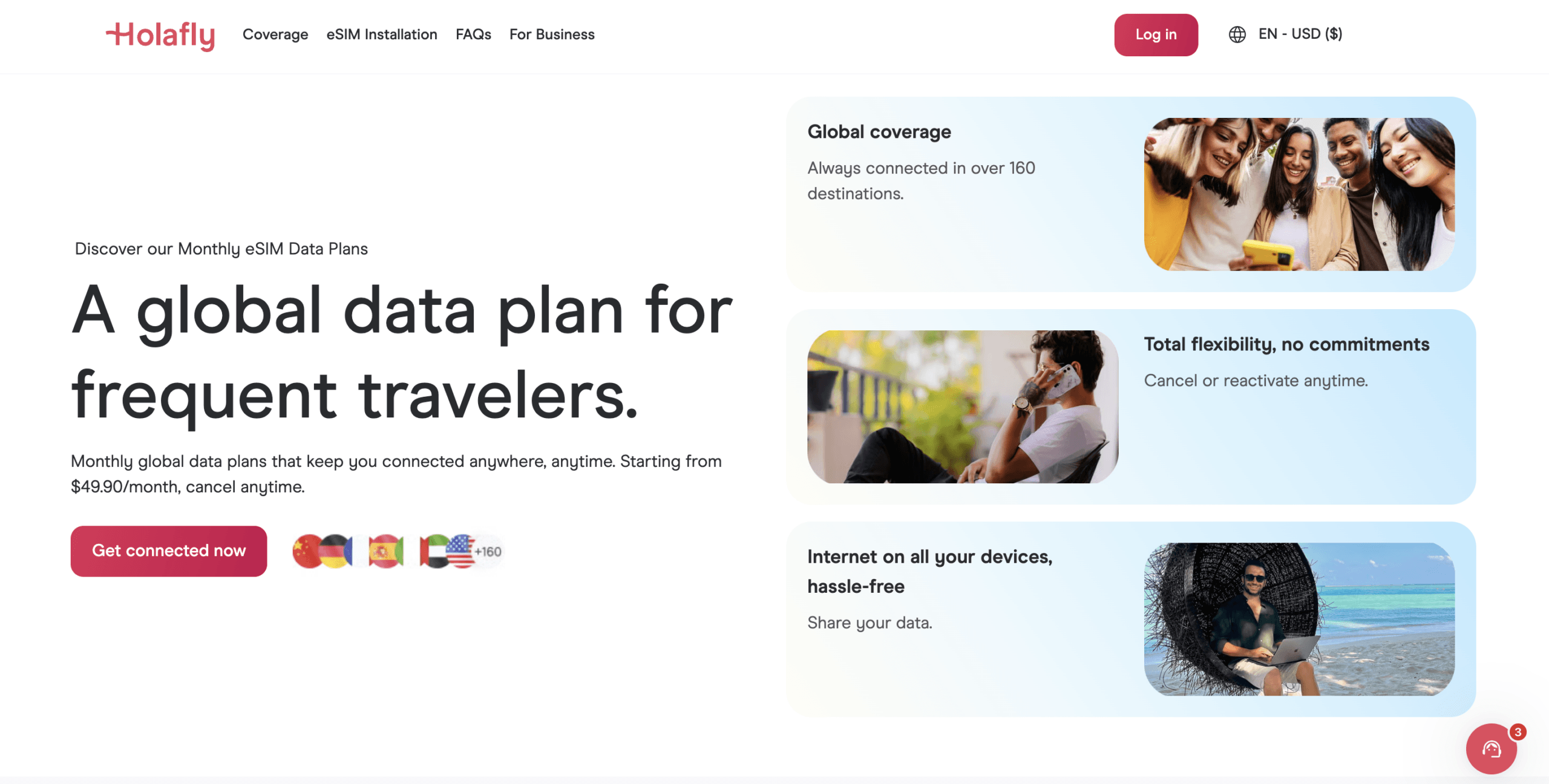
This evolution represents a significant departure from the traditional roaming models offered by major legacy carriers, which have long relied on high-cost daily passes or data-capped roaming add-ons. By utilizing software-based subscriber identity modules (eSIMs) integrated directly into the hardware of modern smartphones, service providers are now able to offer persistent connectivity across more than 160 countries under a single monthly or annual billing cycle.
The Technological Foundation: How eSIMs Changed the Market
The embedded SIM, or eSIM, is a digital evolution of the traditional plastic chip. Rather than requiring physical access to a device’s internal card slot, an eSIM allows users to download a carrier’s profile directly to the phone’s baseband processor. This shift has eliminated the logistical burden of purchasing local SIM cards in foreign airports, which often involved navigating language barriers, currency exchange, and inconsistent service availability.
Technically, an eSIM functions through a QR code or an application-based provisioning system. Once installed, the hardware allows for multiple active profiles simultaneously. This dual-SIM capability enables users to maintain their primary domestic line—for essential services like banking two-factor authentication—while toggling a secondary global data plan for internet access. Industry analysts note that this capability is the primary driver for the current market surge, as it solves the long-standing "dual-phone" or "SIM-swapping" dilemma faced by frequent international travelers.

Chronology of the Connectivity Shift
The trajectory toward integrated global plans began in earnest around 2018, when Apple introduced eSIM support in the iPhone XR and XS series. Before this, global connectivity was largely the domain of high-tier business travelers who utilized international roaming plans from major carriers such as T-Mobile, Vodafone, or AT&T. These plans, while convenient, were often prohibitively expensive for budget-conscious travelers or digital nomads.
By 2021, the market for independent eSIM providers—including companies like Holafly, Airalo, and Nomad—began to mature. These companies initially focused on the "point-to-point" model, where a traveler would purchase a 10-day, 5GB plan for a specific country, such as Japan or France.
In the current phase, initiated throughout late 2025 and early 2026, the industry moved toward "subscription-as-a-service." This model addresses the "fragmentation of travel," where nomads or multi-country travelers would previously have to manage a dozen separate eSIM installations over a six-month period. The introduction of unified global plans, which provide consistent coverage across a massive footprint without the need for re-installation, marks the latest milestone in this technological progression.
Comparative Analysis: Legacy Carriers vs. Global eSIM Providers
The economic implications for international travelers are substantial. A standard "International Day Pass" from a major U.S. carrier typically costs between $10 and $15 per day. For a traveler moving through three countries in a week, this can lead to an expenditure of over $100 for a limited data allowance that is often subject to speed throttling.
In contrast, modern subscription-based eSIM plans, such as those offered under the Holafly Plans framework, are structured around a flat monthly fee, generally ranging from $50 to $70 depending on the chosen tier. This creates a predictable cost structure.
| Feature | Legacy Carrier Roaming | Standard Prepaid eSIM | Global Subscription Plan |
|---|---|---|---|
| Cost Model | Daily / Add-on | Per Trip | Monthly / Annual |
| Connectivity | Persistent | Intermittent | Persistent |
| Data Caps | High (often throttled) | Fixed | Unlimited (or High-Tier) |
| Hassle Factor | Low (Automatic) | High (Requires setup) | Minimal (Set once) |
Data provided by industry observers suggests that the "unlimited" data tier is the most sought-after feature for the growing population of remote workers. Unlike traditional roaming, which may throttle speeds after a certain gigabyte threshold is reached, these new subscription models prioritize network availability across multiple local carrier partners in every destination, ensuring that the user remains connected at 4G or 5G speeds regardless of the country of origin.
Broader Economic and Logistical Implications
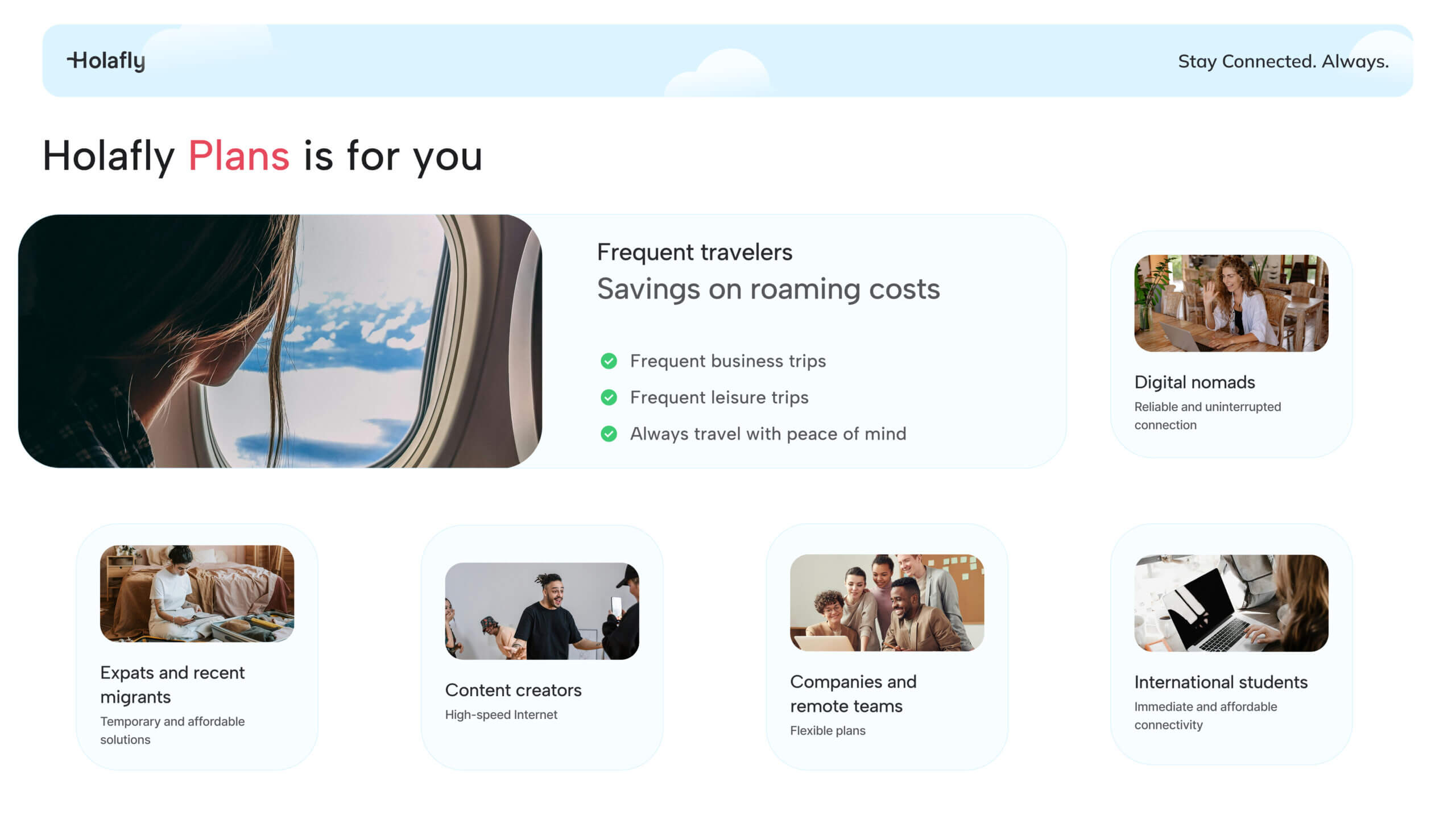
The shift toward these subscriptions reflects the broader trend of the "borderless office." For the estimated 35 million digital nomads worldwide, reliable internet is no longer a luxury but a critical utility. The ability to tether a laptop via an unlimited mobile hotspot—a feature often restricted or heavily limited by standard carrier roaming agreements—is a primary differentiator for these new subscription products.
Furthermore, the integration of local phone numbers from major jurisdictions like the U.S., U.K., or Canada provides a layer of institutional utility. This allows travelers to receive essential SMS verifications and maintain a professional contact point, which was previously impossible with data-only travel SIMs.
Industry experts argue that this model forces legacy carriers to rethink their international strategy. If a traveler can secure a more reliable, cheaper, and faster connection through an independent eSIM provider, the incentive to pay a premium for "international roaming" from a home-based carrier diminishes. Some telecommunications analysts predict that we may soon see a "bundling" phase, where major domestic carriers begin to partner with global eSIM providers to offer these services as a default feature of premium monthly plans.
Challenges and Consumer Considerations
Despite the clear advantages, the model is not without limitations. The primary challenge remains device compatibility; while most modern smartphones support eSIM, older models or regional variants (particularly in markets like China) may lack the necessary hardware.
Additionally, the "always-on" nature of these plans requires users to be cognizant of their own connectivity management. Because the plan is tied to a subscription, failure to cancel a service when a period of travel ends could lead to recurring charges. Companies have attempted to mitigate this with "Always On" features—providing a limited, low-speed data backup even after a plan is cancelled—to ensure the user remains reachable for emergency services, but consumer awareness of these billing cycles remains essential.
The current market environment is characterized by intense competition, which has driven down prices and improved customer support. The implementation of 24/7 technical assistance and more generous refund policies (some spanning up to six months) indicates that the sector is attempting to move away from the "disposable" reputation of early travel SIMs toward a professional, service-oriented model.
Future Outlook
As eSIM adoption becomes the standard rather than the exception, the next phase of development will likely involve deeper integration with local carrier networks to provide better latency and increased coverage in remote regions. The ultimate goal for providers is to reach a state of "transparent connectivity," where the user’s mobile device transitions seamlessly between local towers in different countries without the user ever noticing a drop in service or a change in network performance.
For the modern traveler, the transition from managing physical plastic chips to maintaining a single, digital global subscription represents more than just a convenience—it signifies the removal of the final barrier to truly fluid international movement. As these technologies mature, they will continue to serve as the backbone for the globalized workforce, redefining the relationship between the consumer and the telecommunications provider.