Illuminating the Digital Age: How LED Strip Lights and Ring Lighting Transformed Modern Content Creation and Video Production

The modern landscape of digital media, remote communication, and visual content creation has undergone a profound technical evolution over the past decade, driven heavily by advancements in accessible, high-efficiency illumination. Today, an estimated one in every two content creators, remote professionals, and digital influencers incorporates LED strip lights or specialized ring lighting into their daily setups. Whether the objective is to capture high-resolution photographs, produce polished marketing videos, optimize lighting for virtual business meetings, or maintain engagement during live-streaming sessions, the reliance on light-emitting diode (LED) technology has become absolute. As consumer-grade production equipment continues to democratize high-end media creation, understanding the mechanics, classifications, and strategic applications of LED lighting has transitioned from a niche technical skill to a fundamental competency for modern professionals across industries, including real estate marketing, corporate communication, and independent media production.
To understand the widespread dominance of LED technology in contemporary visual media, one must examine the foundational science of light-emitting diodes and the historical trajectory that brought them into consumer studios. Unlike traditional incandescent or fluorescent lighting solutions, which rely on heating a filament or exciting mercury vapor to produce illumination, LEDs operate on the principle of electroluminescence. When electrical current passes through a micro-sized semiconductor diode, electrons recombine with electron holes, releasing energy in the form of photons.
The history of this technology spans nearly a century, though its application in photography and videography is relatively recent. Discovered in the early 20th century and initially utilized only for basic indicator lights in electronic equipment—emitting dull red hues—LED technology saw incremental breakthroughs in the 1960s and 1970s with the development of green, yellow, and orange variants. However, the critical turning point for the visual arts industry occurred in the late 1990s with the invention of the bright blue LED by Isamu Akasaki, Hiroshi Amano, and Shuji Nakamura, an achievement that earned them the 2014 Nobel Prize in Physics. This breakthrough enabled the creation of white light LEDs by coating blue diodes with a yellow phosphor layer. By the early 2010s, manufacturers began refining these white-light diodes for color accuracy, measured by the Color Rendering Index (CRI), allowing filmmakers, photographers, and digital creators to move away from expensive, hot, and power-hungry tungsten and halogen lights in favor of cool, energy-efficient, and highly customizable diode arrays.
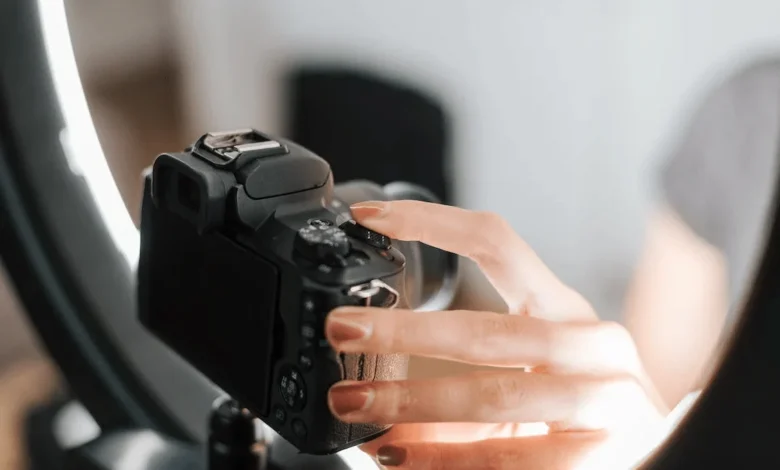
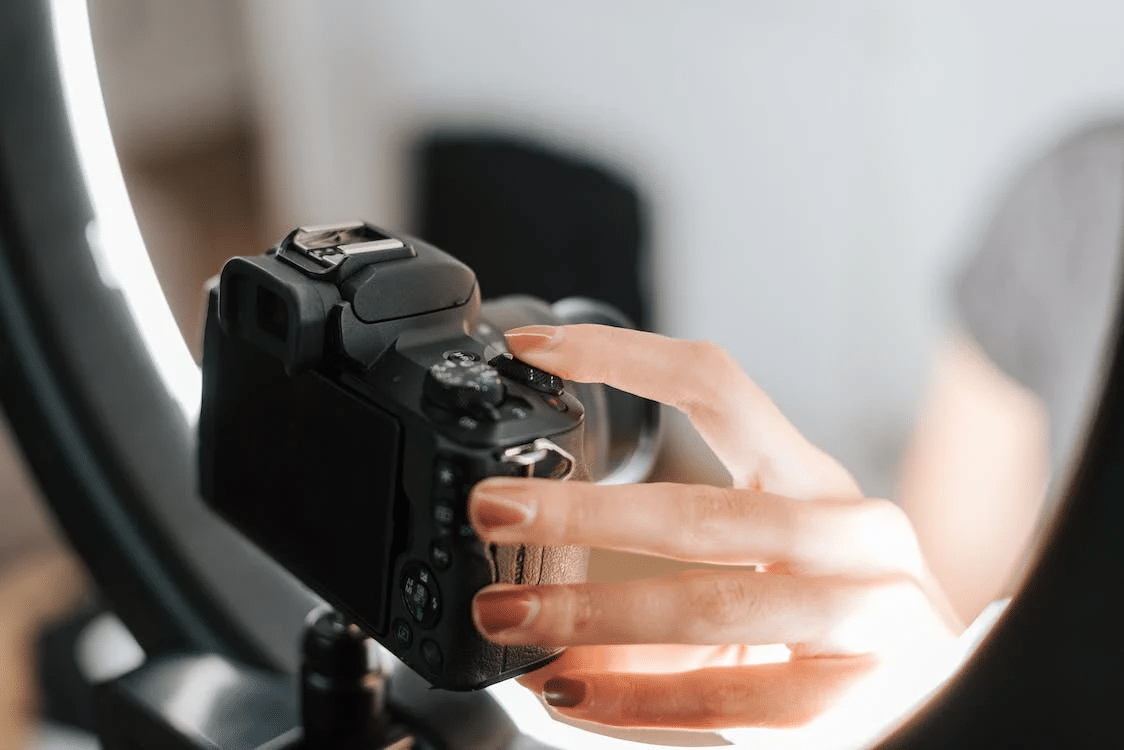
In contemporary digital production, LED lighting fixtures are broadly categorized into several distinct formats designed to meet specific aesthetic and functional requirements. LED strip lights consist of flexible circuit boards populated with surface-mounted device (SMD) diodes that can be cut, bent, and adhered to various surfaces, making them exceptionally popular for architectural accent lighting, background depth enhancement, and studio ambiance. Rigid LED bars and panels provide concentrated, directional illumination suitable for key and fill lights in three-point lighting setups. Meanwhile, ring lights—circular fixtures designed to encircle a camera lens—have emerged as an essential tool for portrait photography, beauty blogging, and virtual conferencing due to their unique ability to cast an even, shadowless light across the subject’s face while producing a distinctive, attractive catchlight in the eyes.
Industry experts and veteran cinematographers frequently emphasize the distinct functional advantages that ring lighting and comprehensive LED kits bring to visual production workflows. Chief among these benefits is the elimination of harsh facial shadows. Because the light emanates from a circular perimeter directly surrounding the camera lens, illumination wraps evenly around the subject, softening skin imperfections and accentuating facial features without requiring complex multi-point lighting arrays. Furthermore, modern LED fixtures typically offer adjustable color temperature controls—ranging from warm tungsten hues (around 2700K) to cool daylight (up to 6500K)—allowing creators to seamlessly match ambient environmental lighting conditions without the need for physical gel filters. Energy efficiency and thermal management represent additional critical benefits; unlike legacy studio lamps that generate excessive heat and consume high volumes of electricity, LEDs operate at remarkably low temperatures and draw minimal power, reducing studio cooling costs and mitigating the risk of thermal injuries during extended shooting sessions.
Maximizing the utility of LED strip lighting and ring illumination requires careful planning and a strategic approach to spatial design. Industry practitioners recommend evaluating several core parameters prior to installation or shooting. First, creators must assess the color rendering index (CRI) of the equipment, striving for a rating of 90 or higher to ensure natural skin tones and accurate color reproduction on camera. Second, light positioning and diffusion must be calibrated relative to the subject’s distance to prevent specular highlights and unwanted glare, particularly for individuals wearing glasses or operating in compact room environments. Finally, integrating dimmer switches and smart-control compatibility allows creators to dynamically adjust light intensity in response to changing natural light conditions throughout the day.
The broader economic and operational implications of the LED lighting revolution extend far beyond individual content creation, influencing commercial sectors such as real estate marketing, corporate training, and e-commerce. In the residential and commercial property markets, high-quality visual presentations are directly correlated with buyer engagement and transaction velocity. Real estate agents utilizing professional LED lighting kits to showcase interior spaces in virtual tours and promotional videos report significantly higher viewer retention rates compared to those relying on standard indoor architectural lighting. By eliminating dark corners and color casts, properly balanced LED illumination presents properties in their most favorable light, enhancing digital curb appeal in an increasingly competitive online marketplace.
As consumer demand for sophisticated lighting solutions continues to expand, suppliers and specialized distributors—such as regional providers including LED Montreal—play a vital role in educating the market and supplying specialized accessories. Navigating the myriad choices of LED strip light accessories, power supplies, diffusers, and mounting hardware can present a steep learning curve for novices entering the digital media space. Industry analysts note that consulting with knowledgeable lighting specialists not only saves time during the equipment selection phase but also yields long-term financial savings through reduced energy consumption and lower equipment maintenance costs. Whether outfitting a professional production studio, a corporate board room for hybrid meetings, or a home office for content creation, investing in a carefully curated LED lighting system represents an indispensable step toward achieving professional visual standards in the digital age.