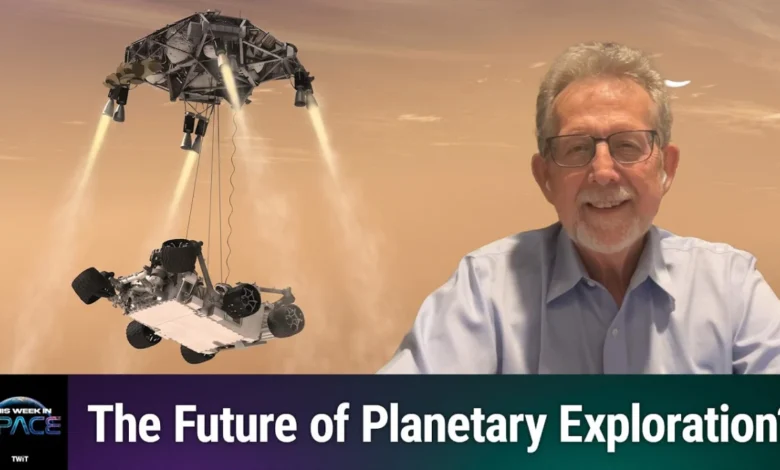
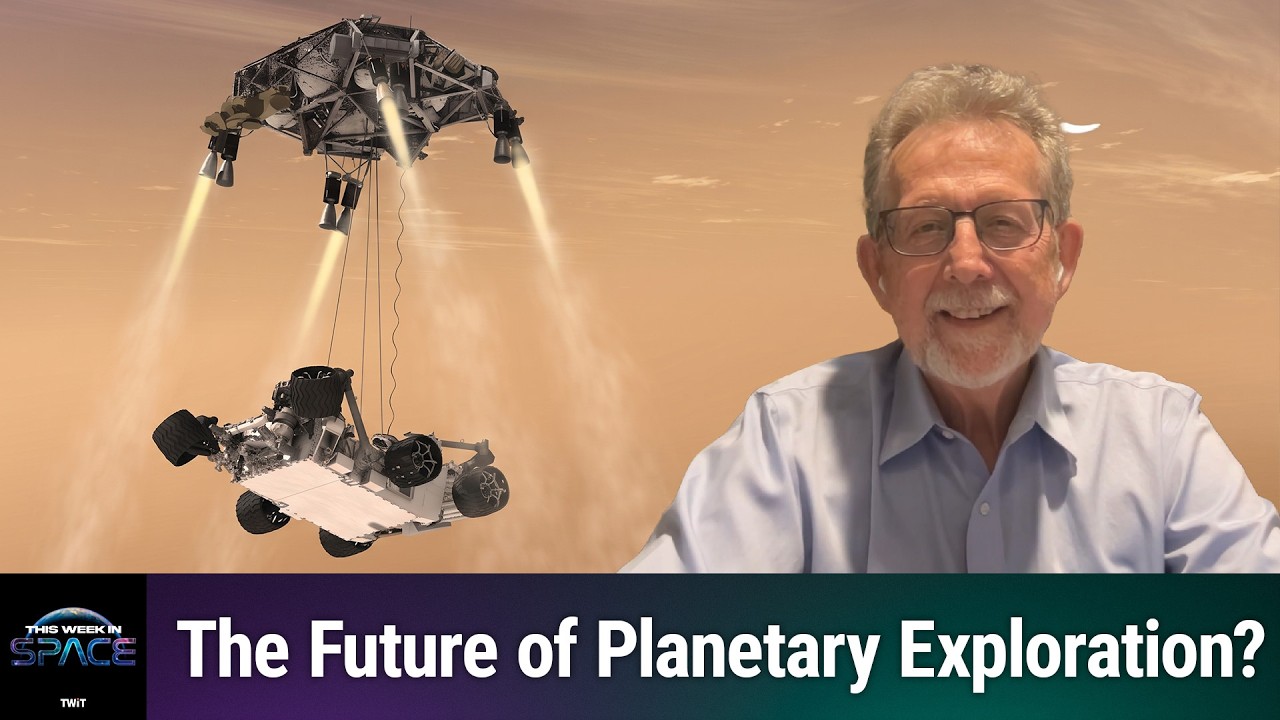
The vanguard of human space exploration has long been defined not by the footprints of astronauts, but by the titanium-reinforced treads and sensors of robotic emissaries. In the latest installment of the podcast This Week in Space, hosts Tariq Malik and Rod Pyle hosted Dr. Jim Green, the former Chief Scientist of NASA, to discuss the critical role of autonomous systems in reaching the solar system’s most inhospitable environments. These "dark and scary" frontiers—ranging from the subterranean oceans of icy moons to the permanently shadowed craters of the lunar south pole—represent the next great leap in our search for extraterrestrial life.
The Evolution of Robotic Exploration
For decades, NASA’s robotic program has functioned as the essential precursor to human presence. The strategy is built upon a tiered approach: orbiters map the terrain, landers touch down to conduct surface analysis, and rovers traverse the landscape to provide geological context. Dr. Green’s tenure as NASA’s Chief Scientist oversaw a golden era of this strategy, marked by missions that fundamentally shifted our understanding of planetary science.
The chronology of this robotic dominance is extensive. It began with the Mariner missions of the 1960s, which provided the first close-up images of Mars, and evolved through the Viking landers, which conducted the first biological experiments on another planet. By the time the Mars Exploration Rovers, Spirit and Opportunity, landed in 2004, the focus had shifted from merely observing to active, multi-year surface exploration. These machines paved the way for the Curiosity and Perseverance rovers, which are currently investigating whether Mars ever supported microbial life.
Navigating the Dark and Scary Places
Dr. Green emphasized that the most scientifically valuable locations in space are often the most difficult to reach. These regions are characterized by extreme thermal variations, hazardous radiation, and, in many cases, a complete lack of solar energy, necessitating a reliance on nuclear power sources like Multi-Mission Radioisotope Thermoelectric Generators (MMRTGs).
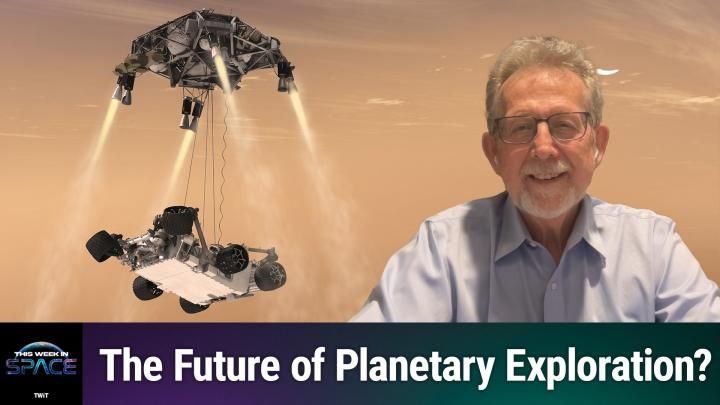
"We go to the places that are dark and scary because that is where the secrets of the universe are hidden," Dr. Green noted during the discussion. He highlighted two primary targets of interest: the icy moons of the outer solar system, such as Europa and Enceladus, and the lunar poles.
Europa, a moon of Jupiter, is believed to harbor a liquid water ocean beneath a thick crust of ice. Because this ocean may be kept warm by tidal heating from Jupiter, it is considered one of the most promising locations in the solar system for life. However, exploring it requires autonomous systems capable of penetrating kilometers of ice—a challenge that engineers are currently addressing through new cryobot concepts.
Supporting Data and Scientific Objectives
The search for life has moved from the realm of science fiction into the heart of NASA’s strategic planning. The 2023-2032 Planetary Science Decadal Survey, a report compiled by the National Academies of Sciences, Engineering, and Medicine, identifies the exploration of these "ocean worlds" as a top priority for the next decade.
Key data points driving these missions include:
- Thermal Signatures: Observations from the Cassini mission revealed plumes of water vapor erupting from Enceladus, containing organic molecules.
- Subsurface Imaging: Radar data from orbiters suggests the presence of massive briny reservoirs under the Martian surface.
- Radiation Environments: Understanding the high-radiation environments near Jupiter is essential for the success of the upcoming Europa Clipper mission, which will perform multiple flybys to assess the moon’s habitability.
These missions are not just about biology; they are about planetary evolution. By studying these environments, scientists gain insight into the formation of our own planet and the conditions necessary for the emergence of life throughout the galaxy.
The Role of Public and Private Collaboration
The current landscape of space exploration is also defined by the rapid emergence of commercial spaceflight. While NASA continues to lead deep-space robotic missions, the private sector is increasingly providing the logistical support needed to reach orbit and beyond.
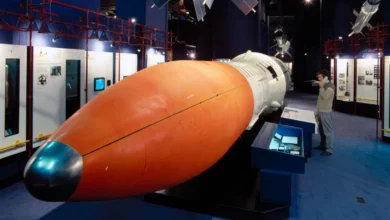
During the podcast, the conversation touched upon the accessibility of space technology for the general public, exemplified by the commercial availability of high-fidelity scale models. The Estes SpaceX Falcon 9 model serves as more than just a hobbyist’s item; it represents the democratization of interest in aerospace engineering. By bringing the technology of modern launch vehicles into the homes of students and enthusiasts, organizations like Estes and partners like collectSPACE are fostering the next generation of engineers who will design the future "dark and scary" explorers.
Implications for Human Exploration
The ultimate objective of sending robots to these hazardous locations is to prepare for human arrival. The Artemis program, for instance, relies on robotic surveyors to scout the lunar south pole for water ice, which can be processed into liquid oxygen and hydrogen for life support and rocket propellant.
Dr. Green’s perspective remains one of measured optimism. He suggests that if we look carefully enough, the discovery of biological signatures—or even extant life—could occur within our lifetime. This would represent a paradigm shift in human history, answering the ancient question of whether we are alone in the universe. The implications of such a discovery would be profound, impacting philosophy, theology, and the future trajectory of human space policy.
The Path Ahead
As we look toward the 2030s, the mission architecture for deep space exploration will continue to prioritize high-risk, high-reward ventures. The success of missions like the James Webb Space Telescope, which is peering back to the origins of the universe, and the upcoming Dragonfly mission to Saturn’s moon Titan, underscores the necessity of continued investment in robotics.
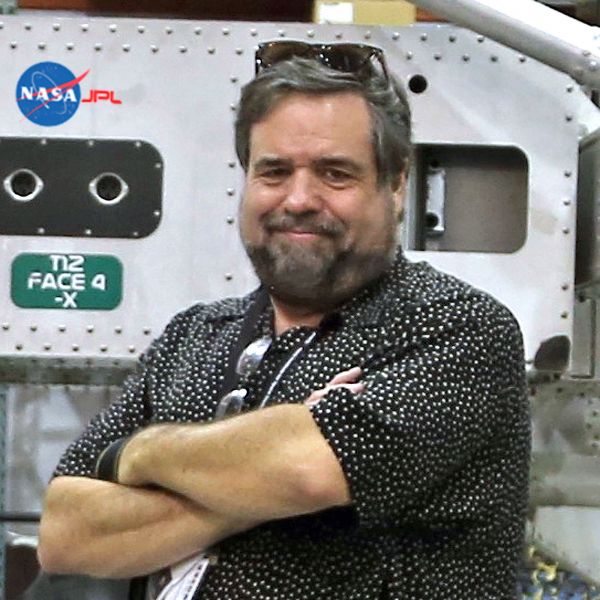
The dialogue between Malik, Pyle, and Green serves as a reminder that space exploration is a marathon, not a sprint. The infrastructure being built today—from the launch pads in Florida to the data-processing centers at the Jet Propulsion Laboratory—is designed to sustain a continuous human and robotic presence in the solar system.
Conclusion
The exploration of the final frontier is inherently fraught with difficulty. Yet, as Dr. Jim Green pointed out, the very danger that makes these places "scary" is what makes them indispensable to our understanding of the cosmos. Through the eyes of our robotic proxies, we are beginning to map the mysteries of the solar system, one crater, one ice shelf, and one geological sample at a time. As technology advances, the boundary between the known and the unknown will continue to recede, guided by the machines we send into the dark.
For those interested in the ongoing developments of these missions, This Week in Space continues to provide a vital bridge between complex scientific data and the public interest. By analyzing the intersection of policy, technology, and pure discovery, the program offers a comprehensive look at the new space age, ensuring that the public remains informed as humanity prepares to push further into the unknown than ever before.
The trajectory is clear: the robots are leading the way, but the future they are uncovering is one that will eventually belong to us all. Whether it is the frozen plains of Europa or the dust-choked craters of Mars, the search for life remains the driving force of our generation, turning the "dark and scary" places of space into the most illuminated corners of human knowledge.