Timeless Elegance Meets Modern Living: The Enduring Appeal of Mediterranean Home Design in Contemporary Real Estate

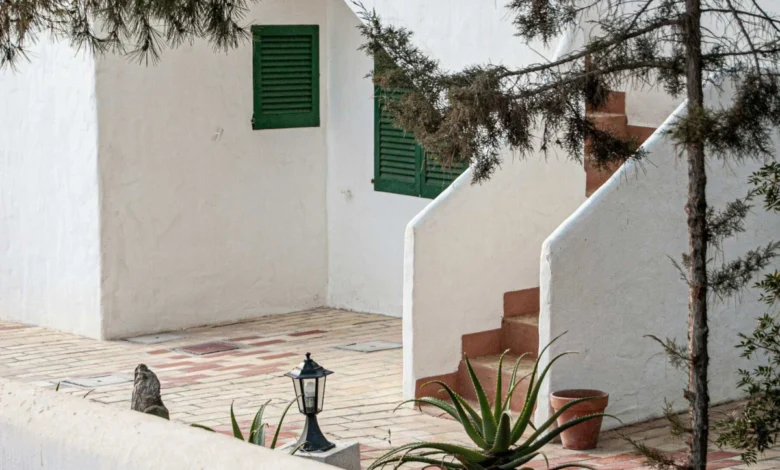
The architectural landscape of the United States has long been influenced by regional adaptations of global design traditions, yet few styles have achieved the enduring legacy of Mediterranean home architecture. Drawing direct inspiration from the sun-drenched coastal regions of Spain, Italy, and Greece, this design aesthetic marries tactile warmth, robust structural integrity, and an intrinsic dialogue with the natural environment. Characterized by low-pitched terracotta tile roofs, hand-troweled stucco exteriors, sweeping arched entryways, and deeply integrated outdoor living spaces, Mediterranean architecture continues to captivate homeowners, historians, and real estate developers alike. Whether manifested in the historic, preservation-minded estates of Santa Barbara, California, or the sprawling luxury residences of Coral Gables, Florida, the style offers a masterclass in combining aesthetic grandeur with climate-responsive functionality.
Historical Evolution and Cultural Context
The roots of Mediterranean architecture in North America trace back to the early 20th century, experiencing a monumental surge during the 1920s Panama-California Exposition in San Diego. Master architects like Bertram Goodhue championed the Spanish Colonial Revival style, which later morphed into the broader Mediterranean Revival movement. This architectural wave was not merely a superficial borrowing of foreign aesthetics; rather, it was a practical response to the demands of sun-bleached, arid, or semi-tropical coastal climates.
Early builders recognized that thick stucco walls provided exceptional thermal mass, absorbing heat during intense daytime hours and slowly releasing it as temperatures dropped in the evening. Barrel-tiled roofs, traditionally formed from terra cotta clay, offered superior ventilation and deflected solar radiation. Furthermore, the incorporation of private interior courtyards, loggias, and shaded porticos served a sociological and environmental purpose, filtering harsh sunlight while creating protected microclimates for outdoor gathering. As populations shifted toward the Sun Belt regions of California, Florida, and the Southwest throughout the mid-to-late 20th century, Mediterranean design became synonymous with luxury, leisure, and regional authenticity.
Core Architectural and Structural Elements
The enduring popularity of Mediterranean homes relies on a cohesive vocabulary of structural motifs and material choices. Rather than relying on ephemeral design trends, the architecture emphasizes permanence and hand-hewn craftsmanship.
Stucco Walls in Warm, Earthy Tones
The exterior envelope of a classic Mediterranean home is almost universally defined by stucco. Applied with a soft, textured finish, stucco provides a monolithic appearance that absorbs natural light in dynamic ways throughout the day. Color palettes draw directly from the surrounding earth, featuring shades of warm cream, sun-baked beige, soft sand, muted terracotta, and weathered olive. Industry experts note that this material has remarkable longevity, particularly in high-humidity or coastal zones. Real estate and design professionals point out that these thick-walled structures are inherently resilient against shifting weather patterns, avoiding the rapid aesthetic aging seen in trend-driven architectural facades of subsequent decades.
Terracotta Tile Roofs
Perhaps the most instantly recognizable silhouette of Mediterranean architecture is the clay tile roof. Typically molded in a semi-cylindrical "barrel" shape, these terracotta tiles create a striking visual rhythm across the roofline. Beyond their rich, reddish-orange chromatic contribution—which offers a vivid contrast against pale stucco walls—the tiles are engineered for longevity and thermal performance. The arched profile of the tiles allows air to circulate underneath the roof deck, preventing heat from transferring directly into the home’s upper living quarters.
Arched Openings and Spatial Transitions
The elimination of rigid, sharp corners in favor of sweeping structural curves is a hallmark of Mediterranean interiors and exteriors. Arches define windows, entry doors, structural hallways, and interior room transitions. Historically rooted in structural engineering limitations that required arches to span wide openings without heavy steel lintels, these curves now function as artistic centerpieces that soften the transition between distinct living zones.
Materiality: Stone, Wood, and Wrought Iron
Tactile diversity prevents Mediterranean spaces from feeling stark or overly austere. Interiors and exteriors frequently showcase exposed wooden ceiling beams made of dark, heavy timber, which contrast against cool stone flooring, travertine tiles, or hand-painted ceramic accents. Wrought iron serves as both a structural and decorative counterweight to the sun-bleached plaster and stone. Hand-forged ironwork appears consistently on balcony railings, window grilles, stair balustrades, entry gates, and exterior lighting fixtures, lending an air of defensive strength and refined craftsmanship.
The Architecture of Indoor-Outdoor Living
Long before open-concept layouts dominated modern residential architecture, Mediterranean design pioneered the concept of seamless indoor-outdoor integration. The layout of these properties typically revolves around a central courtyard, a protected loggia, or a stone-paved terrace.
Design analysts emphasize that outdoor spaces in Mediterranean homes are not treated as secondary additions, but rather as fully functional rooms without a roof. French doors and oversized casement windows frequently span entire walls, allowing fresh coastal breezes to sweep through the home and pulling natural light deep into the floor plan. This spatial continuum encourages a lifestyle rooted in wellness and communal gathering, where dining, relaxing, and entertaining flow effortlessly from indoor parlors to vine-shaded patios, trickling fountains, and lush gardens.
Landscaping and Sensory Integration
The environment surrounding a Mediterranean home plays an equal role in defining its architectural success. Landscaping is intentionally curated to complement the hardscape while respecting regional climate and water availability. In arid or semi-arid zones, plantings typically feature drought-tolerant specimens such as silver-green olive trees, fragrant citrus orchards, cascading bougainvillea, lavender, rosemary, and structural ornamental grasses.
Water features—ranging from Spanish-style wall fountains to central courtyard reflecting pools—introduce the sensory element of auditory calm and evaporative cooling. This careful orchestration of flora, stone, and moving water creates an immersive micro-environment that insulates residents from the noise and pace of modern urban life.
Contemporary Relevance and Market Appeal
In the contemporary real estate market, Mediterranean design occupies a unique tier of sustained demand. While hyper-minimalist and ultra-modern glass-and-steel boxes have dominated certain luxury enclaves, Mediterranean homes retain a fiercely loyal following among buyers seeking emotional warmth, historical gravitas, and human-scale architecture.
Designers note that contemporary interpretations of the style often pare down the heavy, ornate ornamentation of the 1980s and 1990s "Tuscan villa" craze in favor of a cleaner, more breathable aesthetic. Modern Mediterranean spaces marry the traditional stucco, timber, and ironwork with minimalist furniture silhouettes, neutral linen textiles, and expansive glass panels that maximize modern energy efficiency standards without sacrificing historical character.
Industry leaders observe that the philosophy behind Mediterranean architecture—prioritizing human connection, natural materials, and wellness-oriented spatial flows—resonates profoundly with modern homeowners. As architectural tastes shift toward sustainable, biophilic, and enduring design principles, the centuries-old blueprint of the Mediterranean home proves that true architectural wisdom never goes out of style. Whether through a full-scale historic preservation project in coastal California or the subtle integration of terracotta and wrought iron accents into a modern build, the style remains a testament to the art of gracious, grounded living.