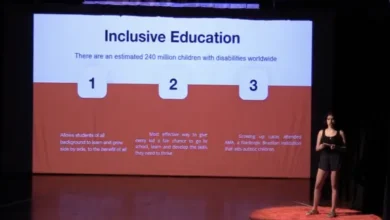
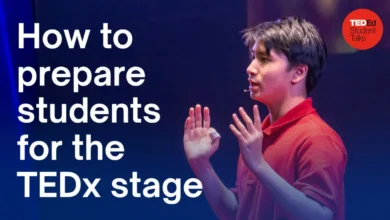
Empowering the Next Generation of Global Leaders Through the Evolution of TED Ed Student Talks and the Launch of TED Summer School

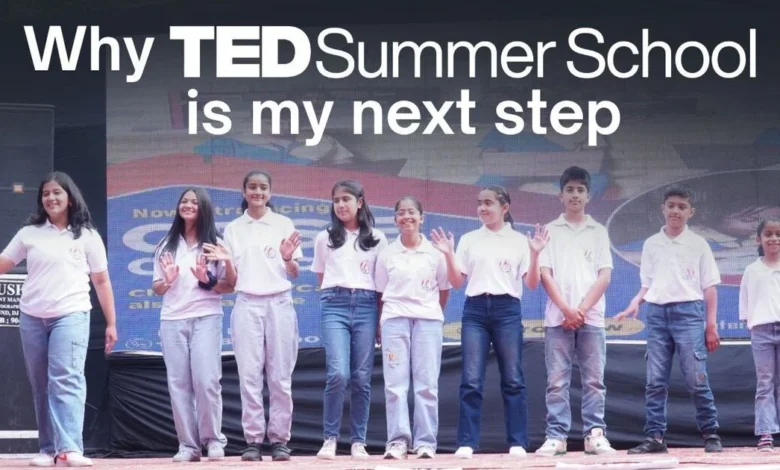
For over a decade, the TED-Ed Student Talks initiative has functioned as a global catalyst for youth development, providing millions of students with the necessary framework to articulate their ideas, refine their narratives, and build enduring self-confidence. By fostering an environment where young voices are treated with the same intellectual rigor as those of seasoned professionals, the program has bridged the gap between traditional classroom learning and real-world advocacy. Today, this mission is entering a new phase of expansion through a strategic partnership with Immerse Education, resulting in the launch of TED Summer School—an intensive, two-week academic program designed to elevate the public speaking and leadership competencies of students aged 15 to 18.
The Evolution of Student-Led Advocacy
The history of TED-Ed Student Talks is rooted in the philosophy that adolescence is a critical period for identity formation and the development of civic engagement. Since its inception, the program has moved beyond simple presentation training, evolving into a structured pedagogical model that includes curriculum design, peer mentorship, and global dissemination platforms.
The program’s growth trajectory reflects a broader educational shift toward "soft skill" acquisition. While traditional schooling systems often emphasize rote memorization and standardized testing, TED-Ed and its new summer iteration focus on the "four Cs" of 21st-century education: critical thinking, communication, collaboration, and creativity. By providing students with a global stage, the organization has effectively commodified the act of storytelling, teaching participants that their personal experiences—whether related to mental health, local economic challenges, or social equity—are valid subjects for intellectual discourse.
Case Study: From Local Initiative to Global Stage
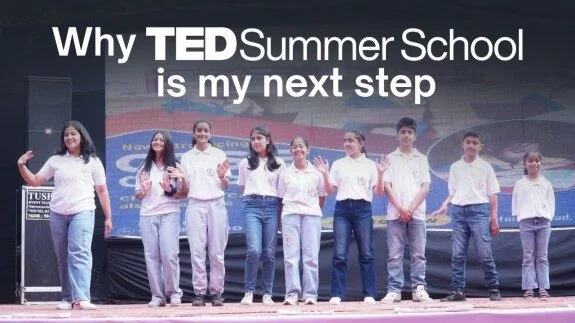
The journey of Samya Gupta, a student from India, serves as a representative case study for the program’s impact. Gupta’s progression from local TEDx participant to recipient of a competitive TED Summer School scholarship underscores the efficacy of the program’s pipeline. Her early engagement involved organizing TEDx events at her school, a process that required the mastery of logistical coordination, speaker management, and budget oversight.
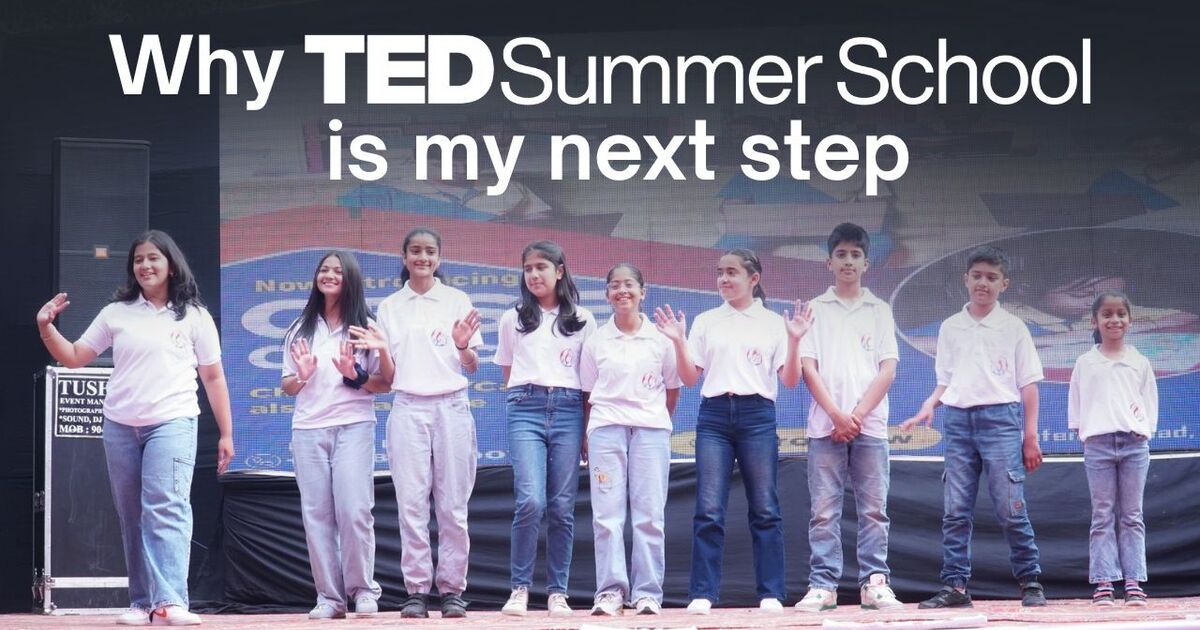
For many students, the transition from being a consumer of content to a curator of ideas represents a pivotal developmental milestone. In Gupta’s experience, the selection process for the Student Talks program—where 30 to 40 students were narrowed down to a final cohort of ten—mirrored the competitive nature of professional academic environments. Her chosen topic, the intersection of mental health and parental expectations in India, highlights the program’s role in allowing students to address systemic cultural issues. By positioning parents as the target audience for her talk, Gupta demonstrated a sophisticated understanding of rhetorical strategy and stakeholder engagement.
The Mechanics of the Scholarship Selection Process
The scholarship competition that propelled Gupta to the international stage provides insight into the program’s reach and rigorous standards. Participants were tasked with the "Learning to be Heard" challenge, which required the submission of a one-minute video articulating a message of global importance. With over 2,000 entries, the selection committee prioritized narratives that moved beyond abstract advocacy to grounded, personal experience.
Gupta’s winning submission addressed the stigma associated with coming from a smaller, non-metropolitan town. Her narrative—that geography should not dictate one’s professional or academic destiny—resonated with the panel because it addressed issues of accessibility and socioeconomic mobility. This win, which covers the costs associated with the Singapore cohort of the TED Summer School, serves as a proof-of-concept for the organization’s commitment to diversity and inclusion, ensuring that talent is identified and supported regardless of the student’s geographic or socioeconomic background.
Academic and Professional Implications
The curriculum of the TED Summer School is built upon a foundation of core theory and practical application. Expert tutors provide one-on-one coaching, guiding students through the process of script development, voice modulation, and stage presence. This pedagogical structure is designed to mimic the intensity of university-level communication workshops.
The implications for participants are significant. By engaging in these programs, students often gain:
- Enhanced Narrative Competency: The ability to distill complex, broad ideas into concise, persuasive messages.
- Professional Networking: Access to mentorship from university students and professionals, which assists in career pathing and academic decision-making.
- Global Exposure: Interacting with peers from diverse international backgrounds, which fosters cultural intelligence and cross-border collaboration.
Analysis suggests that the integration of such programs into a student’s academic profile provides a distinct advantage in university admissions. Admissions committees at top-tier institutions are increasingly prioritizing candidates who demonstrate "intellectual vitality"—the capacity to take academic concepts and apply them to real-world problems.
Official Perspectives and Future Projections
Representatives from the TED-Ed program, including Program Manager Shraya Sharma, emphasize that the goal is not merely to produce public speakers, but to foster a generation of changemakers capable of navigating an increasingly complex global landscape. The program is currently active in major educational hubs, including Singapore, New York, and London, with additional virtual cohorts expanding the reach to students who may not have the capacity for international travel.
The shift toward a more formalized summer program signifies a maturation of the TED-Ed model. By partnering with Immerse Education, the organization has created a scalable infrastructure that can accommodate the growing demand for extracurricular enrichment. Furthermore, the emphasis on "mentorship by peers"—specifically the use of university-level students as coaches—creates a sustainable ecosystem where knowledge is transferred across generations of learners.
The Broader Impact on Secondary Education
As educational institutions continue to debate the future of curriculum, the success of initiatives like TED Summer School suggests that the future of learning lies in the intersection of theory and performance. The ability to articulate one’s thoughts effectively is becoming a primary metric of success in the professional world.
For students like Gupta, the experience is transformative. "It’s about getting out of my comfort zone," she noted in recent discussions, emphasizing that the end goal is not just to be heard, but to contribute to the global discourse. As she prepares to join the cohort in Singapore, her trajectory serves as a template for other motivated students. The program provides a rare opportunity for teenagers to view themselves not just as students, but as intellectual contributors to the global community.

Looking Ahead
The upcoming session of the TED Summer School will serve as a bellwether for the program’s long-term efficacy. With a curriculum that bridges the gap between high school and university, the program is positioned to become a standard-bearer for youth leadership development.
Observers of the educational sector should note that the success of this program relies heavily on the quality of its coaching and the rigor of its selection criteria. As the program continues to scale, maintaining the personalized nature of the mentorship—which participants identify as the most valuable aspect of the experience—will be the primary challenge for the organizers. However, the data from initial cohorts suggests that the integration of storytelling and leadership training is a powerful combination, one that will likely continue to influence the personal and professional trajectories of its participants for years to come.
As students return from these global cohorts, they carry with them not only a polished presentation but a refined sense of their own potential. For many, the realization that they can influence the world, regardless of their origin, is the most profound lesson of all. The collaboration between TED-Ed and Immerse Education is, therefore, more than a summer program; it is a long-term investment in the communicative and leadership capacity of the next generation.