Building a Culture of Ideas: How Unity Concord International School Created a Self-Sustaining Pipeline for Youth Voice

Every educator faces the perennial challenge of turning student potential into tangible, public expression. While teenagers often possess profound insights and creative energy, the leap from having a private idea to articulating it on a public stage requires more than just encouragement; it demands a structured, supportive ecosystem. At the Unity Concord International School (UCIS) in Chiang Mai, Thailand, administrators and faculty have successfully engineered a blueprint for this transition, transforming public speaking from a daunting chore into a celebrated school-wide culture. By integrating a year-round TED-Ed Student Talks curriculum with the high-stakes environment of an annual TEDxUCIS Youth event, the school has developed a self-sustaining pipeline that is fostering both individual confidence and collective institutional change.
The Architecture of the Program: A Two-Tiered Approach
The success of the UCIS model rests on the deliberate symbiosis between two distinct programs: the TED-Ed Student Talks group, which serves as the developmental incubator, and the TEDxUCIS Youth event, which acts as the capstone exhibition.
The TED-Ed Student Talks program at UCIS is designed to demystify public speaking for students as young as 10 and 11 years old. According to Abby Schrantz, the school’s TED-Ed Student Talks Coordinator, the primary obstacle in the early stages is not a lack of student interest, but a lack of accessible entry points. To overcome this, the school moved away from passive recruitment strategies like email announcements. Instead, coordinators utilized a peer-led outreach model. By visiting 5th and 6th-grade homerooms and inviting former participants to share their personal experiences, the school transformed the program into a social norm rather than an academic requirement. This grassroots approach has been so effective that the program currently operates at full capacity, requiring a waiting list for prospective participants.
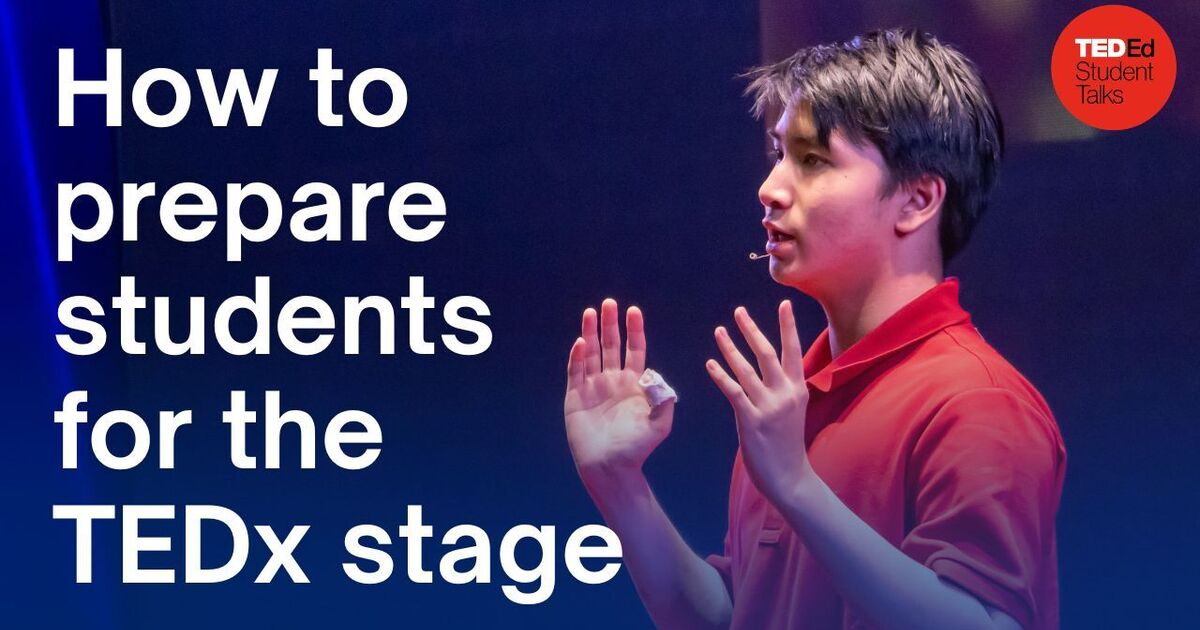
Within the classroom setting, the curriculum is intentionally iterative. Rather than strictly adhering to a static guidebook, facilitators incorporate peer-review sessions where students analyze recordings of past talks. This pedagogical choice creates a feedback loop: students see themselves as both creators and critics, learning to identify the markers of effective communication—such as pacing, emotional resonance, and visual aids—long before they ever step toward a professional microphone.
The Catalyst: Bridging the Gap to the Main Stage
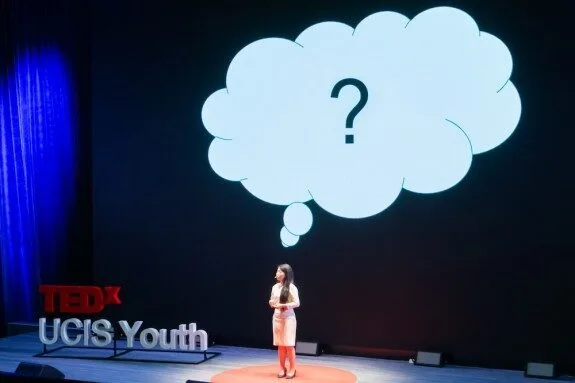
The most significant achievement of the UCIS model is the elimination of silos between the training program and the professional showcase. Madison Conger, the TEDxUCIS Youth license holder, emphasizes that the integration of the two programs is vital for student development. By ensuring that students enrolled in the TED-Ed Student Talks group are active participants in the audience of the annual TEDx event, the school provides a living demonstration of the skills they are learning.
This proximity to the "main stage" serves as a transformative milestone. Students observing their peers navigate the technical and emotional rigors of a TEDx presentation gain a realistic understanding of the production process. Following the most recent event, educators noted that younger students returned to their training sessions with a renewed sense of purpose, specifically inquiring about how to better leverage their own body language and visual storytelling techniques. This transition from observer to participant is the crux of the UCIS pipeline: it provides a visual roadmap that guides students from their first brainstorm to their final, polished presentation.
Institutional Logistics and Long-term Sustainability
For educators contemplating similar initiatives, the prospect of managing both a developmental group and a licensed TEDx event can seem resource-heavy. However, the experience at UCIS suggests that the two programs are mutually reinforcing rather than additive. The TED-Ed Student Talks program acts as a rigorous training ground, which significantly reduces the administrative burden of preparing speakers for the larger event.
When students reach the middle and high school levels, they are not starting from a baseline of zero. They have already internalized the "TED process"—the art of refining a narrative, the importance of structural clarity, and the discipline of rehearsal. Consequently, the organizers of the TEDx event spend less time teaching foundational communication skills and more time on high-level curation and production. This efficiency creates a sustainable rhythm: younger students are nurtured in the "sandbox" of the classroom, while older students are afforded the opportunity to tackle complex, systemic issues on a broader platform.
Data-Driven Impact and Real-World Outcomes
The value of this program extends well beyond the development of public speaking skills; it has become a catalyst for school-wide empathy and administrative policy change. The subject matter of student talks at UCIS frequently mirrors the developmental struggles and global awareness of the student body. Topics range from the psychological impact of academic overthinking to the complexities of living as a "cross-cultural kid" in an international school environment.
In a notable instance of institutional impact, a student presentation regarding the challenges faced by third-culture students—those who spend a significant part of their developmental years outside their parents’ culture—led directly to the creation of a dedicated support community. This group, now involving both students and parents, was established to address the specific social and emotional gaps identified during the talk. This incident illustrates the core value proposition of the program: the stage is not merely a place for performance, but a mechanism for advocacy. When students identify a systemic issue and articulate it clearly, the administration is better equipped to respond with informed, targeted support.
Analysis: Why the Model Works
From a pedagogical standpoint, the UCIS model succeeds because it addresses three fundamental human motivators: agency, mastery, and purpose.
- Agency: Students choose their own topics, ensuring that the content is inherently meaningful to them. This autonomy is crucial for sustained engagement during the long, often tedious process of drafting and refining a speech.
- Mastery: The staged approach—beginning with small-group peer review and culminating in a professional event—allows for incremental improvement. This prevents the "fear of failure" that often paralyzes novice speakers.
- Purpose: The connection to the TEDx platform provides a clear, high-status goal that elevates the importance of the work.
Furthermore, the integration of sensory-rich elements—such as art installations and sensory rooms alongside the talks—transforms the event from a static lecture series into a multi-dimensional community gathering. This serves to widen the appeal of the program, drawing in students who might not consider themselves "speakers" but who are interested in art, design, or social organization.
Broader Implications for Global Education
The UCIS model provides a compelling case study for schools worldwide. As the global education sector moves toward more student-centered learning environments, the need for structured platforms for youth voice becomes increasingly urgent. The experience in Chiang Mai demonstrates that public speaking is not an innate talent, but a skill set that can be scaled and nurtured within any academic community.
The success of this initiative is deeply rooted in the school’s ability to treat TED-Ed not as a one-off extracurricular activity, but as a core component of the school’s identity. By standardizing the process of idea development and providing a consistent, high-quality venue for expression, UCIS has created an environment where students feel safe enough to be vulnerable and ambitious enough to advocate for change.
For other institutions looking to replicate this success, the advice from the coordinators is clear: focus on the personal touch. Whether through direct outreach, fostering peer-to-peer mentorship, or ensuring that the younger cohort is always part of the audience for the older, the emphasis must remain on building a community that values the act of listening as much as the act of speaking. As the program continues to grow, it serves as a powerful reminder that when schools provide the right scaffolding, the ideas that emerge from students are capable of moving mountains—and in the case of UCIS, actively reshaping the school itself.
Related posts: