The Landscape of the Under-Million Market
The New York City real estate market has remained notoriously resilient, even as national economic indicators suggest cooling trends. In the third and fourth quarters of 2026, the inventory of available apartments priced below $1,000,000 has remained tight, forcing buyers to look beyond the traditional prestige corridors of Manhattan. According to recent market reports, while median sale prices in Manhattan have hovered near record highs, demand in established Brooklyn and Queens neighborhoods has spiked.
Buyers today are increasingly prioritizing "livability" metrics—such as kitchen size, natural light, and proximity to green space—over pure square footage. The $765,000 price point for a one-bedroom in Park Slope illustrates this trend, as the property offers a premium on lifestyle amenities like updated appliances and proximity to Prospect Park, rather than just raw living area.
Spotlight: 130 Eighth Avenue, Apartment 4B
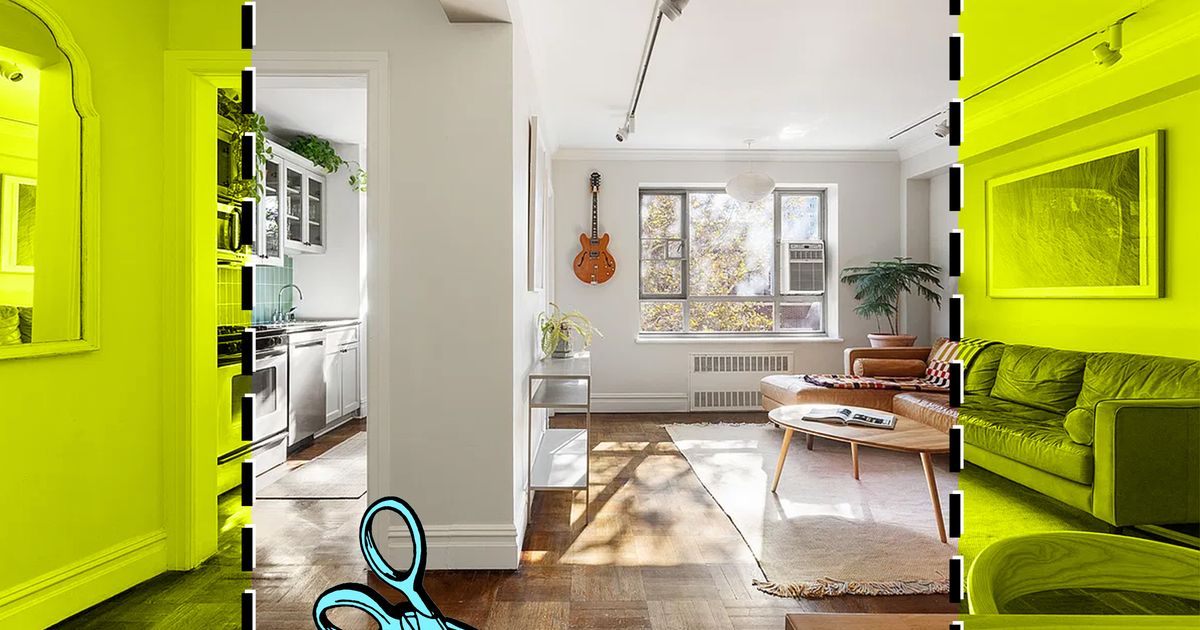
The co-op at 130 Eighth Avenue stands as a primary example of how buyers are evaluating value in the current market. Situated in the northern reaches of Park Slope, this unit features a renovated galley kitchen with a sage-green backsplash and modern appliances—a significant selling point for buyers weary of the "gut-renovation" projects common in the older building stock of Brooklyn.
The unit’s configuration highlights the growing demand for flexible living spaces. The inclusion of a dedicated dining area, distinct from the living room, has become a prized feature in the post-pandemic era, where remote work and home-based entertaining remain staples of the professional lifestyle. With monthly maintenance fees at $1,555, the property offers a full-service experience, including a doorman and a garage, justifying the price point for buyers who might otherwise be priced out of the more central portions of the neighborhood.
The Upper West Side Challenge: 174 West 89th Street
Conversely, the market on the Upper West Side presents a different set of trade-offs. The listing at 174 W. 89th St., Apt. 4D, serves as a case study in the "walk-up premium." While the unit is located just two blocks from Central Park—a geographic advantage that historically stabilizes property values—the four-story climb serves as a deterrent that keeps the price accessible.
The apartment’s layout, featuring a galley kitchen with dated aesthetic elements, contrasts sharply with the Park Slope unit. However, the potential for customization is high. Market analysts note that these types of "value-add" opportunities are becoming increasingly popular for first-time buyers who are willing to overlook aesthetic obsolescence in favor of a superior location. The $1,680 monthly maintenance fee, while relatively steep for a walk-up, reflects the overhead of maintaining historic pre-war structures in Manhattan’s high-density districts.
The Rise of Jackson Heights: 35-20 73rd Street
As Manhattan and prime Brooklyn prices continue to climb, neighborhoods like Jackson Heights are seeing a surge in interest from buyers who prioritize space and architectural character. The Mayfair, a 1937 co-op, offers an alternative model for what $1,000,000 can buy. With custom Henrybuilt cabinetry, a Wolf stove, and a Viking hood, this unit offers a level of interior finish that is virtually unattainable at a similar price point in the boroughs closer to the East River.
The broader implication here is the decentralization of the NYC luxury market. As transit connectivity continues to improve, the commute from Jackson Heights to Midtown—often under 30 minutes via the 74th Street transit hub—is becoming a negligible factor for many professionals. The inclusion of amenities like a private garden and a live-in super, coupled with a $1,243 maintenance fee, suggests that Queens co-ops are increasingly competing with their Manhattan counterparts for the attention of value-conscious buyers.
Historical Context and Market Implications
The history of New York City’s residential market is cyclical, but the current period is defined by a unique confluence of factors: the legacy of interest-rate hikes initiated in 2023 and 2024, the persistent housing shortage, and the "flight to quality" among buyers.
In the early 2020s, the market saw a temporary dip in demand for city apartments. By late 2026, however, the trend has fully reversed. The scarcity of listings under $1 million has forced many buyers to engage in competitive bidding wars, even for units that require significant upgrades. Real estate experts note that while interest rates remain higher than they were in the 2010s, the long-term appreciation potential of the NYC market continues to drive transaction volume.
The "Fluff-and-Fold" Lifestyle: 86 Horatio Street
In contrast to the spacious units in Brooklyn and Queens, the studio at 86 Horatio Street in the West Village represents the extreme end of the NYC compromise: the "sardine can" phenomenon. Despite a gut renovation, the unit’s value is driven almost entirely by location—a block from the Hudson River and the West Village’s iconic cultural strip.

For many, the $1,058 monthly maintenance fee for a studio space is a high price to pay, yet these units remain in high demand. This reflects a shift toward the "fluff-and-fold" lifestyle, where residents trade square footage for a hyper-urban experience. The reliance on neighborhood infrastructure, such as nearby gyms, parks, and dining, becomes a functional extension of the apartment itself.
Strategic Analysis: What Should Buyers Look For?
For those currently navigating the market, the following criteria remain the most reliable predictors of long-term value:
- Building Health: Prospective buyers should scrutinize the reserve fund and the board minutes of co-ops. A building with a high maintenance fee is not necessarily a negative if the surplus is being directed toward capital improvements like new roofs, boilers, or elevator upgrades.
- Infrastructure Proximity: As seen in the Jackson Heights and Upper West Side examples, proximity to major transit hubs and public parks acts as a "floor" for property value. Regardless of the individual unit’s condition, these geographic assets are difficult to replicate.
- Layout Flexibility: In the current market, the ability to carve out a home office is paramount. Units with generous foyers, like the one in the Mayfair, are seeing higher price appreciation than open-plan studios that lack defined "zones."
- Regulatory Landscape: With ongoing discussions regarding property tax reform and rent stabilization laws in New York, buyers should be aware of how their specific building’s tax class could influence future maintenance increases.
Future Outlook
As we move toward the end of 2026, the outlook for the New York real estate market remains cautious but optimistic. While no one expects a return to the low-interest-rate environment of the pandemic era, the steady demand for housing indicates that the market has adjusted to the new normal. For the average buyer, the path to homeownership continues to be a rigorous search for value, requiring a willingness to balance the aesthetic appeal of a property against its long-term investment potential and day-to-day utility.
The diversity of these four listings—from a Park Slope co-op with a sleek, modern kitchen to a West Village studio steeped in historic charm—highlights the varied strategies available to those with a sub-million-dollar budget. Ultimately, success in this market is not about finding the perfect apartment, but about identifying the best possible compromise that aligns with one’s lifestyle and financial goals.