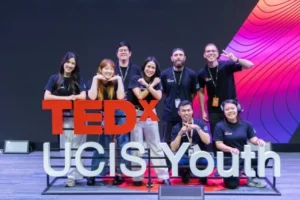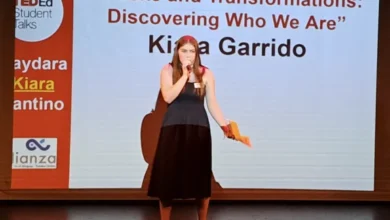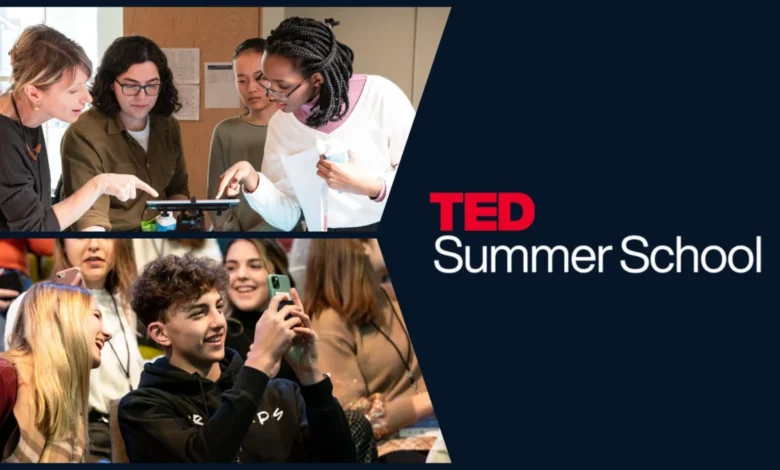
For over a decade, the TED-Ed initiative has served as a global catalyst for youth expression, helping hundreds of thousands of students articulate their perspectives through the platform of TED-Ed Student Talks. Building on this legacy, TED has announced a significant expansion of its educational outreach through a strategic partnership with Immerse Education. This collaboration introduces the TED Summer School, an intensive, two-week academic enrichment program designed to transition students from passive learners to active, influential storytellers.
The program, aimed at students aged 15 to 18, represents a fusion of TED’s established methodology for "ideas worth spreading" and the academic rigor synonymous with the teaching traditions of Oxford and Cambridge, which underpin the Immerse Education model. By providing professional coaching, small-group instruction, and a structured curriculum, the initiative seeks to address the growing demand for soft-skill development in high-achieving youth.
The Evolution of Student Voice: A Chronology of TED-Ed
The launch of the TED Summer School follows a decade of iterative growth for TED-Ed. The program originated from a desire to democratize the TED talk experience, moving it from the stage of high-profile intellectuals to the classroom.
In 2012, TED-Ed launched its flagship website, providing educators with tools to create customized video lessons. This was followed by the establishment of TED-Ed Clubs, which allowed students to identify their own "big ideas" and prepare them for public delivery. By 2018, the network had expanded to thousands of clubs in over 100 countries. The introduction of the TED Summer School marks the next phase in this timeline: moving from extracurricular club settings to a formal, immersive academic environment that simulates the pressures and rewards of professional public speaking.
Program Structure and Global Reach
The TED Summer School is designed to accommodate the logistical realities of modern education by offering a hybrid delivery model. Students may choose to attend in-person sessions hosted in major global hubs—London, New York, and Singapore—or participate in a 100% virtual format. Regardless of the location, the core pedagogical structure remains consistent.
The two-week curriculum is divided into three primary pillars:
- Ideation and Research: Students are guided by expert, TED-trained tutors to identify topics that are both personal and globally relevant. This phase emphasizes critical thinking and the synthesis of complex information.
- Storytelling Mastery: Participants learn the mechanics of narrative structure, rhetorical devices, and the psychology of audience engagement. This involves a rigorous iterative process of drafting and refining scripts.
- Public Presence: The program focuses on the technical aspects of delivery, including voice modulation, body language, and stage presence, culminating in a recorded TED-style talk.
The Role of Immerse Education
Immerse Education brings a specific institutional expertise to this partnership. Known for its pre-university programs that draw on the collegiate traditions of historic British universities, the organization focuses on small-group learning and mentorship.
By integrating these methods with TED’s storytelling framework, the program provides more than just public speaking training. It fosters an environment of intellectual inquiry. Students are challenged to move beyond surface-level observations, requiring them to engage with their chosen topics at a depth usually reserved for university-level discourse. The focus on "expert tuition" ensures that students receive feedback that is both specific to their content and supportive of their personal growth as communicators.
Data-Driven Need for Communication Skills
The necessity for such programs is underscored by shifts in the global labor market. According to recent reports from the World Economic Forum on the "Future of Jobs," the top skills identified by employers include analytical thinking, creative thinking, and leadership. Communication—specifically the ability to convey complex ideas clearly and persuasively—is frequently cited as a critical skill gap among graduates.
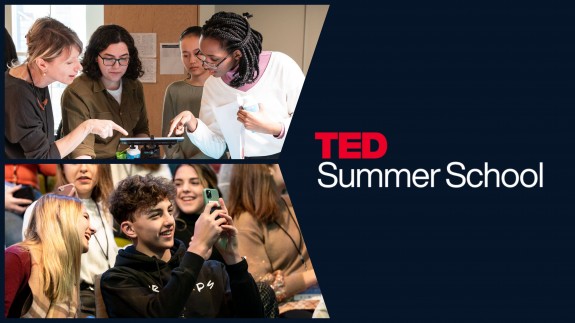
Data from the National Association of Colleges and Employers (NACE) has consistently ranked "oral communication" and "teamwork" as the most sought-after competencies by hiring managers across diverse industries. By providing a structured environment where students must distill their thoughts into a compelling narrative, TED Summer School is effectively providing a "finishing school" for the next generation of thought leaders, equipping them with the capacity to navigate a digital-first communication landscape.
Implications for Educational Equity
A central concern for programs of this nature is accessibility. Recognizing the potential for a "participation gap," the organizers have implemented a multi-tiered financial aid strategy. Through the availability of both merit-based and financial-need scholarships, the program aims to ensure that its demographic profile reflects a global student body rather than being restricted to students from high-affluence backgrounds.
This emphasis on accessibility is intended to ensure that diverse voices—from various socio-economic and geographical backgrounds—have the opportunity to reach the global platform that the TED brand provides. By removing financial barriers, the organizers argue that they are not just teaching a skill, but democratizing the influence that comes with being a capable, articulate communicator.
Academic and Professional Impact
The long-term implications for participants are twofold: personal development and academic positioning. For a 15-to-18-year-old, the act of preparing and delivering a TED-style talk serves as a significant milestone in self-actualization. The process requires a level of introspection and vulnerability that is often overlooked in standardized testing environments.
Professionally, the credential serves as a testament to a student’s ability to conduct independent research and communicate effectively. In an era where university admissions and early-career recruitment are increasingly focused on "holistic" assessments, the ability to demonstrate a tangible project—such as a polished, filmed talk—provides students with a competitive edge. It signals to stakeholders that the individual possesses not only academic potential but also the "soft skills" required to operate in high-pressure, collaborative environments.
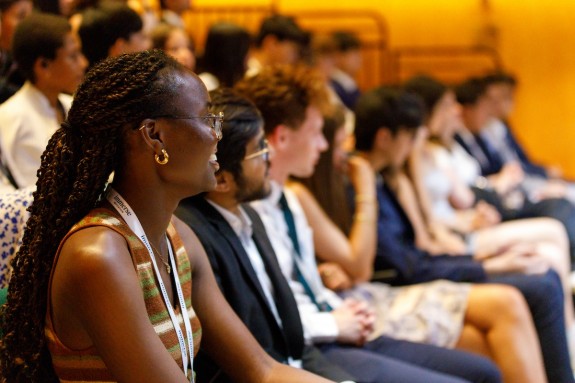
Institutional Perspectives and Future Outlook
While specific statements from the program directors emphasize the "transformative" nature of the experience, the broader educational community views this partnership as a litmus test for the future of hybrid learning. If the TED Summer School succeeds in replicating the intimacy of in-person mentorship in its virtual cohorts, it could set a new standard for how international enrichment programs are structured.
The focus on "thoughtful, articulate communication" also addresses a contemporary cultural anxiety regarding the degradation of public discourse. By training young people to value clarity, evidence-based reasoning, and empathetic storytelling, the program serves as a quiet intervention in the way the next generation will interact with public information.
As the program moves into its next cycle, observers will likely be looking at the quality of the content produced by students. If the output maintains the high standards of production and intellectual rigor associated with the broader TED ecosystem, the TED Summer School could quickly establish itself as a premier destination for ambitious students.
Conclusion: The Value of a Voice
Ultimately, the TED Summer School is not simply a course on public speaking. It is a structured effort to provide young people with the tools to navigate a world that is increasingly noisy. By helping students identify what they care about and providing the mechanism to share that passion, the program addresses a fundamental human need: the desire to be heard and understood.
As applications open for upcoming cohorts, the program stands as a clear example of how private partnerships can bridge the gap between traditional secondary education and the real-world skills required for success in the 21st century. Whether in London, New York, Singapore, or through a screen in a home office, the initiative is positioned to shape how a new generation of leaders views their role in the global conversation. Those interested in the program are encouraged to review the application criteria and scholarship opportunities, which are designed to support a wide range of academic and personal backgrounds.
Related posts: