Bong Joon Ho returns to the creature feature that defined a generation as The Host receives a 4K restoration for its 20th anniversary

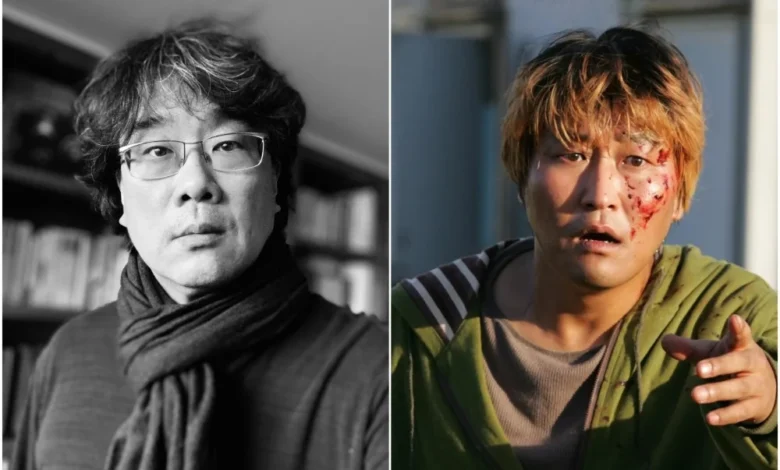
Two decades after it first stunned international audiences at the Cannes Film Festival, Bong Joon Ho’s seminal monster movie The Host is returning to theaters in a meticulously crafted 4K restoration. The film, which served as a pivotal moment in the global ascent of South Korean cinema, remains as visceral and socially biting today as it was upon its 2006 debut. Magnolia Pictures has scheduled a nationwide theatrical rollout for November 20, providing a new generation of cinemagoers the opportunity to experience the creature’s rampage on the big screen, bolstered by a special exclusive conversation between Bong and acclaimed filmmaker Edgar Wright on November 21 and 23.
For the Oscar-winning director, the anniversary serves as more than a nostalgic exercise. Bong views the restoration as a necessary preservation of his artistic intent, specifically regarding the film’s distinct color palette and tonal balance. Having shot the original production on Fuji film stock—notably distinct from the more common Kodak stock of the era—Bong collaborated closely with cinematographer Kim Hyung-ku to ensure the 4K transfer recaptured the precise, subtle hues that defined the 2006 Cannes premiere.
A Legacy of Satire and Misinformation
The Host is widely recognized for its seamless blend of family drama, creature-feature spectacle, and sharp political allegory. At its core, the narrative follows Gang-du (played by Bong’s frequent collaborator Song Kang-ho), a simple-minded snack kiosk worker whose daughter, Hyun-seo (Ko A-sung), is abducted by an amphibious creature that emerges from the Han River. As the family navigates the bureaucratic nightmare of a government-enforced quarantine, the film reveals that the creature is a biological byproduct of American military negligence, setting the stage for a scathing critique of authority.
When Bong penned the screenplay, his primary inspiration was the 2003 SARS outbreak and the subsequent geopolitical climate surrounding the Iraq War. He specifically injected scenes depicting U.S. lawmakers fabricating evidence of a viral threat to maintain control, a direct parallel to the search for weapons of mass destruction that ultimately never materialized.
Reflecting on the film’s longevity, Bong notes that its central theme—the danger of official misinformation—has become increasingly relevant in the wake of the global COVID-19 pandemic. "It seems like we as a community, as a whole, are repeating our mistakes," Bong stated in an interview with Variety. "Although the film has stayed the same, the history is repeating itself and making the film relevant again."
Technical Challenges in Modern Restoration
The process of remastering a film produced during the nascent stages of digital visual effects presented significant challenges. Because The Host was completed in 2006, the original creature effects—developed by Weta Workshop and The Orphanage—were not designed for the high-definition standards of modern 4K projection.
Bong’s team undertook an extensive upscaling process, working to ensure that the creature’s integration with live-action plates remained seamless. While Bong admits that he can still identify minor imperfections in the CGI that reflect the technological limitations of the mid-2000s, he maintains a strict philosophy against "revisionist" filmmaking.
"The film is a record of what I was as a filmmaker at the time, and so I do not have any wishes to correct that," Bong explained. He cited the temptation to excise specific shots—a practice famously employed by directors like Ridley Scott—but ultimately chose to preserve the original edit. "Just like we don’t edit or rewrite our journals, I feel like it should just be left as it is."
Sound Design and Audiovisual Fidelity
The restoration also highlights Bong’s enduring commitment to sound design. Working again with Livetone, the Seoul-based facility he has frequented for a quarter-century, Bong ensured that the original sound library was preserved. The creature’s unique vocalizations, which were created by layering the sounds of a sea lion with the recorded performance of actor Oh Dal-su, have been cleaned and balanced for modern sound systems.
While the filmmaker is currently evaluating the feasibility of a full Dolby Atmos mix for the North American theatrical run, he notes that his approach to remastering is selective. Because his films from Okja (2017) onward were captured natively in 4K with Atmos-ready soundscapes, there is little need for technological intervention. His recent focus has instead leaned toward artistic reinterpretation, such as his release of high-contrast, black-and-white versions of Mother and Parasite, a medium he deeply admires for its purity and focus on composition.
Historical Context: From The Host to Parasite
The trajectory of Bong Joon Ho’s career is often measured by the milestones between The Host and his history-making 2019 masterpiece, Parasite. In 2006, The Host set box office records in South Korea, signaling the arrival of a new, genre-defying voice in international cinema. By the time Parasite became the first non-English-language film to win the Academy Award for Best Picture in 2020, Bong had established himself as a master of social commentary wrapped in the guise of popular entertainment.
The following timeline tracks the evolution of his work and the impact of his thematic focus:
- 2006: The Host premieres at Cannes, gaining critical acclaim for its social satire and visual effects.
- 2009: Mother is released, further cementing Bong’s reputation for intricate character studies.
- 2013: Snowpiercer marks his first major international co-production, expanding his exploration of class warfare.
- 2017: Okja premieres, utilizing 4K technology and digital distribution to reach a global audience.
- 2019: Parasite wins the Palme d’Or at Cannes and four Academy Awards, including Best Picture.
- 2024–2025: Production phases for his upcoming animated feature Ally are finalized.
- 2026: The Host 20th-anniversary restoration is announced, coinciding with his pivot back to crime and horror genres.
Future Prospects and Industry Impact
As the industry looks toward the next chapter of Bong’s career, the director has confirmed that he is moving away from the large-scale, high-budget epics that defined his mid-career period. Having navigated the international spotlight following the success of Parasite, Bong expressed a desire to return to his roots.
"I want to return home," Bong remarked, confirming reports that he is currently developing a slate of gritty crime and horror films. This shift suggests a desire for the more intimate, high-tension storytelling that characterized his earlier works like Memories of Murder and The Host.
The theatrical re-release of The Host is not merely an act of archival preservation; it serves as a bridge between the early, genre-blending promise of Bong’s filmography and the mature, globally recognized status he holds today. For audiences, it provides a rare chance to see how the seeds of political frustration and familial desperation—elements that would eventually blossom into the global phenomenon of Parasite—were sown two decades ago in the murky waters of the Han River.
As the film returns to theaters, its themes of state-sanctioned deception, the struggle of the disenfranchised, and the resilience of the family unit remain as poignant as ever, ensuring that The Host remains a cornerstone of 21st-century cinema.