The Blueprint for Student Voice: How Unity Concord International School Built a Sustainable Pipeline for Public Speaking

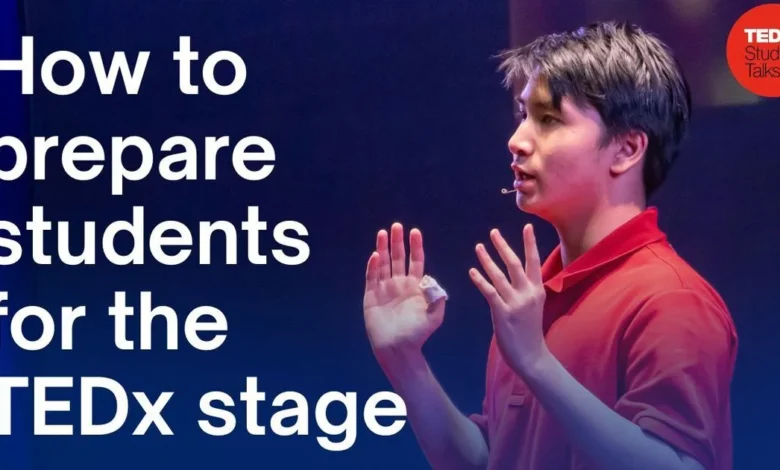
Every educator tasked with student development understands the fundamental challenge of the modern classroom: teenagers possess profound insights and creative ideas, yet the transition from internal thought to external public expression requires more than a simple invitation to speak. It necessitates a robust, deliberate ecosystem that balances mentorship, iterative practice, and inspiration. At the Unity Concord International School (UCIS) in Chiang Mai, Thailand, administrators and faculty have successfully engineered a solution to this pedagogical hurdle by integrating a year-round TED-Ed Student Talks program with the high-stakes environment of an annual TEDxUCIS Youth event. This strategic alignment has evolved beyond a singular public speaking initiative into a self-sustaining pipeline that is fundamentally altering the school’s academic and social landscape.
The Foundation of a Culture of Ideas
The pedagogical framework at UCIS is built upon the understanding that public speaking is a skill honed through repetition rather than innate talent. The journey for a student at UCIS begins in the TED-Ed Student Talks group, a low-stakes environment specifically designed to lower the barrier to entry for younger students. By providing a safe space for 5th and 6th graders to articulate their thoughts, the program effectively desensitizes students to the anxieties commonly associated with public performance.
Abby Schrantz, the school’s TED-Ed Student Talks Coordinator, emphasizes that the growth of this program is not the result of administrative mandates but rather a grassroots effort driven by peer-to-peer advocacy. Schrantz conducts outreach by visiting 5th and 6th-grade homerooms, demystifying the process of speech development. However, she notes that the most significant driver of participation is the "peer-to-peer" referral loop. When students see their classmates succeed in the program, the perceived risk of public speaking decreases, creating a social incentive to join. This has resulted in the program reaching maximum capacity, signaling a high demand for platforms that prioritize student voice.
The curriculum within these groups is intentionally dynamic. Rather than strictly adhering to facilitator guidebooks, educators employ interactive peer-review sessions. Students are encouraged to analyze past presentations—both from their school and the broader global TED-Ed network—to provide constructive criticism. This reflexive process allows students to internalize the mechanics of storytelling, pacing, and visual communication long before they ever step onto a professional stage.
The Catalyst: Bridging the Gap to the Main Stage
The operational success of the UCIS model lies in the intentional intersection of the developmental TED-Ed program and the prestigious TEDxUCIS Youth event. By ensuring that younger students in the TED-Ed program are integrated as audience members for the larger TEDx event, the school provides a tangible roadmap for student growth.
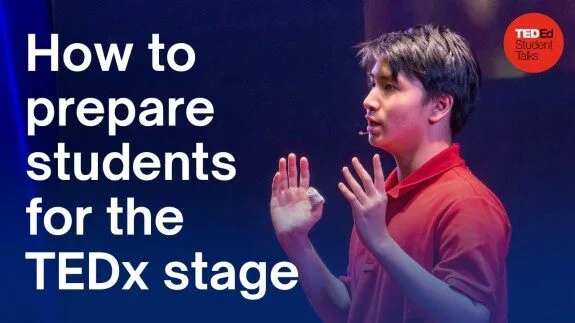
For many students, witnessing an older peer command a professional stage acts as a psychological catalyst. This experience serves as an "Aha!" moment, bridging the gap between theoretical classroom learning and real-world application. Following the recent TEDxUCIS Youth event, feedback from younger attendees indicated that the experience directly influenced their desire to refine their own performance techniques, specifically regarding emotional resonance and the integration of multimedia visuals.
Madison Conger, the TEDxUCIS Youth license holder, oversees the event with an eye toward creating a comprehensive sensory experience. By incorporating art exhibitions and sensory-friendly zones, the event is positioned not merely as a series of lectures, but as a holistic celebration of intellectual inquiry. This multifaceted approach keeps the younger cohort engaged and invested in the event’s mission, fostering a long-term commitment to the school’s culture of ideas.
Analytical Perspectives on Program Sustainability
From an organizational standpoint, the integration of these two programs provides significant logistical advantages. Educators often struggle with the "square one" problem, where each academic year requires a new cohort to be trained in the basics of public speaking. By maintaining a constant TED-Ed pipeline, UCIS ensures that by the time students reach the middle or high school levels, they possess a foundational understanding of the TEDx framework.
Data from the school suggests that students who participate in the developmental program show higher levels of retention and confidence when transitioning to the more rigorous demands of the TEDx stage. Because these students have spent years generating, refining, and presenting ideas, they are better equipped to handle the logistical pressures of a large-scale event. This reduces the administrative burden on event organizers, as the participants are already familiar with the necessary milestones, such as script drafting, iterative editing, and stage presence.
Translating Ideas into Institutional Action
The impact of the UCIS program extends well beyond the podium. A primary objective of the initiative is to foster empathy and stimulate community action, turning abstract ideas into tangible school-wide improvements. Students frequently select topics centered on personal struggle and social pressure—such as the mental health implications of overthinking or the challenges of navigating an international school environment.
One case study of the program’s success involved a student whose presentation on the identity challenges faced by "cross-cultural kids" led directly to institutional change. Following the presentation, the school community established a formal support group for students and parents navigating similar cultural transitions. This event demonstrated the efficacy of the program in transforming a speech into a catalyst for social support. Such outcomes validate the investment of time and resources, proving that student-led platforms can serve as vital instruments for policy change and community cohesion.
Strategic Roadmap for Educational Institutions
For other schools looking to replicate the UCIS model, the path forward involves three critical phases: initiation, integration, and institutionalization.
- Initiation: Start with a low-stakes environment that prioritizes the discovery of personal narratives. The focus should be on the individual student’s curiosity rather than the final performance.
- Integration: Create a structural link between the developmental program and the school’s broader public-facing events. This ensures that younger students view the main stage as an attainable goal rather than an intimidating obstacle.
- Institutionalization: Embed the program into the school’s identity. When students and faculty view public speaking as a core part of the school’s culture, it moves from being an "extracurricular activity" to an essential component of the student experience.
Fernando Oringo, the International Co-curricular Coordinator for the Ambassador Education Group, highlights that the success of these programs is deeply rooted in the concept of mentorship. As an advocate for youth voices across Thailand, Vietnam, and Cambodia, Oringo views the teacher’s role as that of a guide rather than an instructor. By facilitating the development of a "roadmap" for students, educators can effectively bridge the gap between initial concept and professional delivery.
Implications for the Future of Student Advocacy
The pedagogical implications of the UCIS model are significant. As the global educational landscape shifts toward competency-based learning, the ability to articulate ideas clearly and persuasively is becoming an increasingly valuable metric of student success. The UCIS approach demonstrates that when students are treated as intellectual agents capable of influencing their own school culture, they respond with increased maturity, empathy, and academic rigor.
Moreover, the scalability of this model is high. Because the TED-Ed Student Talks program offers free, customizable resources, the barriers to entry for other institutions are primarily related to time allocation and faculty commitment rather than financial constraints. As schools continue to seek ways to foster student agency in an era of digital distraction, the return to the ancient, human-centric art of public speaking appears to be a highly effective strategy for engagement.
Ultimately, the work being done in Chiang Mai serves as a case study in how to cultivate a generation of communicators. By normalizing the act of speaking up, and by providing the structure necessary to do so effectively, Unity Concord International School has created a template for academic empowerment that other institutions would do well to study and adopt. The success of their students is not just in the words spoken on stage, but in the enduring culture of intellectual curiosity they have collectively built.
Related posts: