The New York City residential rental market in November 2026 continues to present an extraordinary set of challenges for prospective tenants, characterized by record-high demand, persistent inventory shortages, and an upward trajectory in median asking rents. Despite broader economic shifts, the competition for housing across the five boroughs remains fierce, with many studio and one-bedroom units commanding thousands of dollars per month while attracting dozens of applicants within hours of listing. As the city enters the end-of-year cycle—historically a period of lower activity—the current data suggests that the "off-season" has provided little relief for those seeking long-term stability.
The Current Rental Landscape: By the Numbers
Current market analysis indicates that the vacancy rate in Manhattan and prime Brooklyn neighborhoods remains well below the 3 percent threshold generally considered indicative of a "balanced" market. According to recent quarterly real estate reports, the median rent for a one-bedroom apartment in Manhattan has climbed significantly compared to the same period in 2025, driven largely by high interest rates that discourage potential buyers from exiting the rental pool.
This environment has forced a migration of interest toward more unconventional platforms, such as Craigslist and Facebook Marketplace. While these sites have historically been secondary to major brokerage portals, they have emerged as vital, albeit chaotic, hubs for "by-owner" listings that occasionally bypass the institutional brokerage fees that characterize the traditional NYC rental process. However, the reliance on these platforms introduces a higher degree of risk, including an increased prevalence of rental scams and unverified listings.
Chronology of a Tightened Market
The intensification of the current housing crisis can be traced back to the post-pandemic recovery period. By mid-2024, the return-to-office mandates for many major financial and technology firms in the city created an immediate spike in demand. This demand was met with an insufficient supply of new residential developments, as construction projects stalled due to elevated labor costs and tightened lending standards.
By the spring of 2026, industry experts noted a "normalization of the extraordinary," where record-high prices became the standard baseline for even modest walk-up units. The current month, November 2026, serves as a capstone to a year of limited mobility for renters, who are increasingly choosing to renew existing leases rather than risk entering a market where even a 5–10 percent increase in rent is considered a "good deal."
Notable Market Segments and Representative Listings
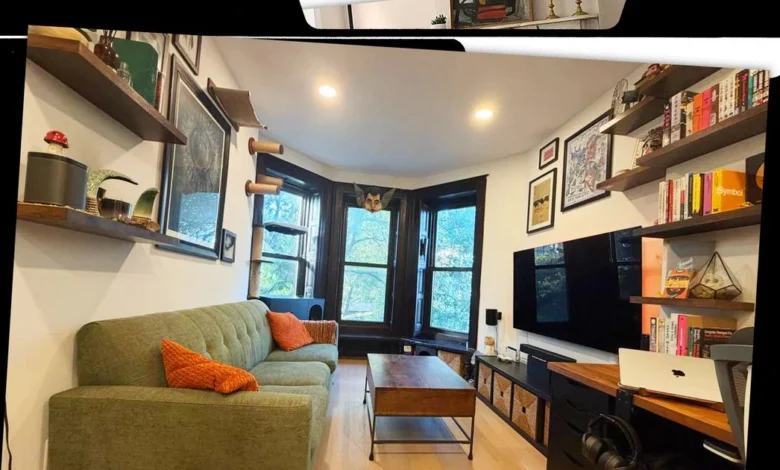
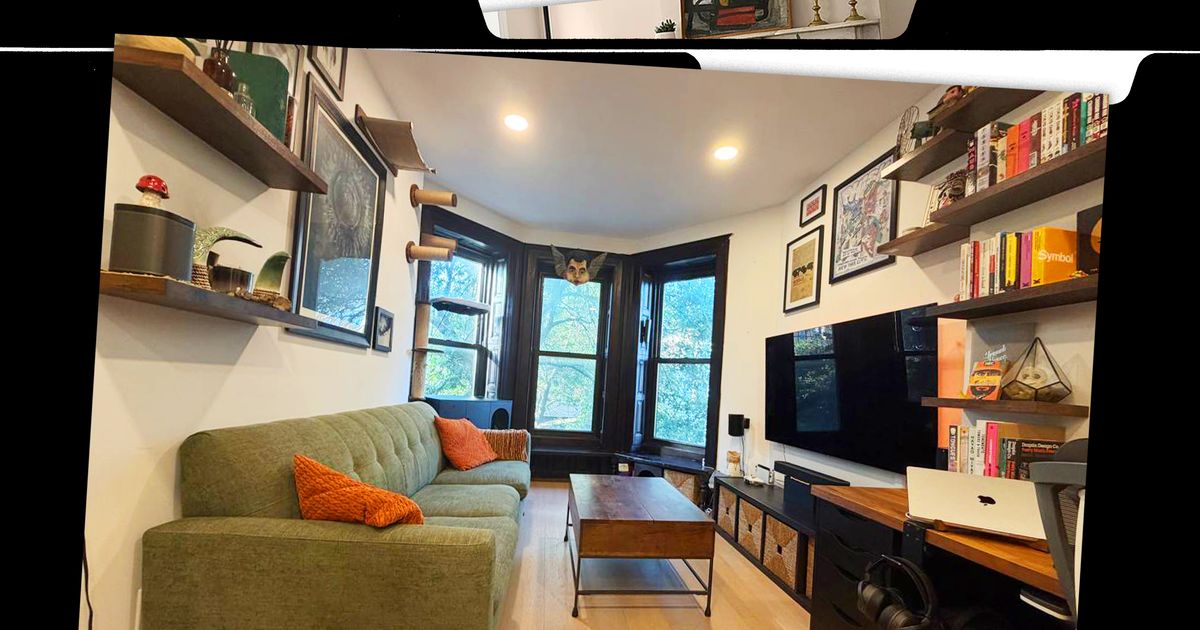
A survey of current inventory reveals a stark divide between luxury offerings and the "workhorse" apartments that sustain the city’s workforce. In Brooklyn Heights, for instance, historic inventory—often characterized by prewar architecture and high-end finishes—continues to command premium prices, frequently exceeding $5,000 for one-bedroom units. These apartments are highly sought after for their aesthetic appeal, often described in listings as having a distinct, cinematic quality reminiscent of the city’s independent film aesthetic, such as the character-driven dwellings popularized by New York-based directors.
Conversely, areas like Bushwick and parts of Crown Heights offer a different value proposition. Listings in these neighborhoods often feature "industrial" aesthetic touches and, in some cases, significant space for the price, though they may lack the full-service amenities found in Midtown or the Financial District. For example, some units currently listed in the $3,000 to $4,000 range are offering tenants the opportunity to secure a three-bedroom layout, provided they are willing to trade proximity to central transit hubs for more square footage.
The Rise of Alternative Living Arrangements
In response to the fiscal constraints of the rental market, a growing segment of the population is exploring alternative housing solutions. Facebook Marketplace, in particular, has become a repository for unconventional living spaces, ranging from refurbished campers to maritime vessels repurposed as residential units. While these options are not viable for the vast majority of the population, their presence on the market highlights the desperation of a demographic priced out of the traditional apartment sector.
The emergence of "houseboat living" as a listed rental category on peer-to-peer marketplaces signals a shift in consumer behavior. Units equipped with full-scale amenities—such as laundry, air conditioning, and robust water-storage systems—are being marketed as "maritime compounds." While these units offer a mobile or water-based lifestyle, they come with unique maintenance requirements and legal considerations regarding mooring permits and year-round habitability that standard apartment leases do not involve.
Expert Analysis and Market Implications
The implications of this housing environment are multifaceted. Economists point out that the inability of the middle class to secure affordable housing is putting downward pressure on the city’s long-term economic vitality. When a significant portion of a household’s income is diverted to rent, discretionary spending—a key driver of the city’s retail and hospitality sectors—contracts.
Furthermore, the "brokerage-free" movement, as seen through the surge in Facebook Marketplace usage, suggests a growing consumer fatigue with the high costs associated with professional real estate services. Industry analysts suggest that this trend could force a long-term shift in how brokerage firms operate, potentially leading to more transparent, fee-structured models. However, until supply-side constraints are addressed through meaningful zoning reform and an acceleration in the pipeline of new housing starts, the market is expected to remain in a state of high-pressure equilibrium.
Official Responses and Policy Outlook
City officials have faced persistent pressure to implement more aggressive rent-stabilization measures and to incentivize the development of "missing middle" housing—units that fall between luxury high-rises and subsidized low-income housing. Recent municipal discussions have centered on the potential for converting underutilized commercial office space into residential units. While these conversions are technically complex and capital-intensive, they are viewed by many urban planners as the most viable path toward alleviating the current inventory bottleneck.
The current situation is, by all metrics, an outlier in the history of New York real estate. The combination of high interest rates, limited new inventory, and sustained population density has created a "perfect storm" that shows few signs of abating as the city looks toward 2027. Prospective tenants are advised to exercise extreme caution when utilizing non-traditional listing platforms, to maintain all documentation in writing, and to be prepared for a competitive landscape that requires immediate decision-making capabilities.
Conclusion: Navigating the Winter Months
As November 2026 draws to a close, the market remains characterized by a mixture of resignation and aggressive competition. Whether it is the pursuit of high-ceilinged prewar apartments in the UN Plaza area or the exploration of non-traditional living spaces on the waterfront, the common thread is a search for value in a city that has become increasingly unforgiving. For now, the most successful tenants are those who approach the market with a combination of high vigilance, a willingness to look beyond conventional neighborhoods, and a readiness to act when a listing—even one with "rough edges"—aligns with their financial and lifestyle parameters. The landscape of the city’s housing market serves as a testament to the enduring, albeit demanding, nature of living in New York.