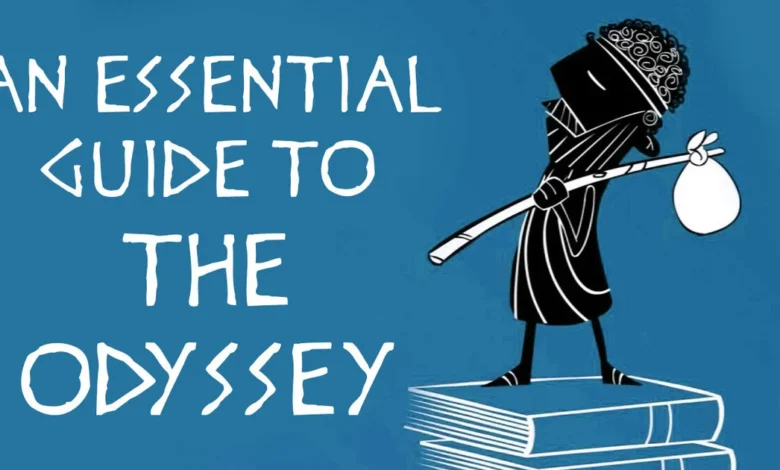
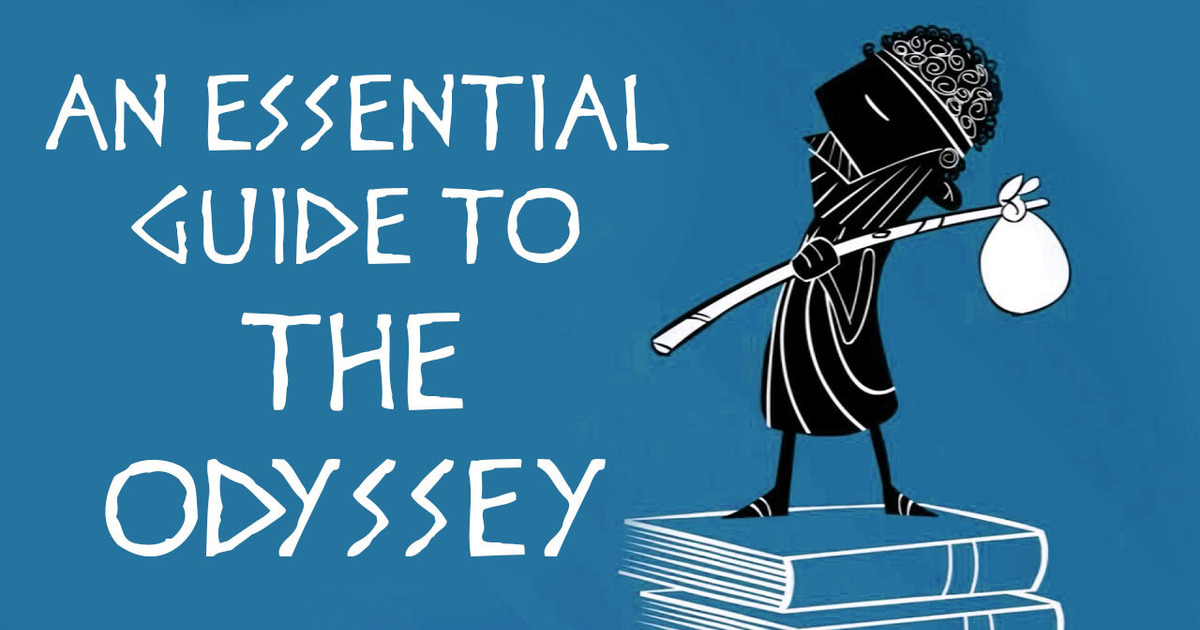
The Odyssey, attributed to the ancient Greek poet Homer, remains one of the most significant pillars of Western literature. Composed in the eighth century BCE, this epic poem consists of 12,110 lines of dactylic hexameter, chronicling the ten-year journey of the king of Ithaca, Odysseus, as he struggles to return home following the decade-long Trojan War. While the narrative is a cornerstone of classical studies, its complexity—characterized by divine intervention, mythological creatures, and intricate political maneuverings—frequently requires modern audiences to engage with supplementary educational resources to fully grasp its cultural and historical magnitude.
Historical Context and Literary Significance
To understand the significance of The Odyssey, one must first contextualize the oral tradition from which it emerged. Homeric epics were not initially written documents; they were performed by rhapsodes—professional reciters who preserved these stories through rhythmic memory. The transition from oral tradition to written manuscript in the eighth century BCE marked a pivotal moment in the development of the Greek alphabet.
The narrative serves as a bridge between the Bronze Age collapse and the subsequent Archaic period of Greece. By studying the text, historians and classicists can extrapolate details regarding ancient maritime navigation, societal hierarchies, and the religious ethos of the Hellenic world. The poem is not merely an adventure story; it is a profound examination of the Greek concept of nostos (homecoming) and xenia (the sacred obligation of hospitality).
Chronology of the Homeric Legend
The events surrounding the Homeric cycle are traditionally dated to the Mycenaean period, specifically the 12th century BCE, though the poems themselves were finalized centuries later.
- The Trojan War (c. 1250–1180 BCE): The mythological conflict between the Achaean Greeks and the city of Troy.
- The Fall of Troy: The destruction of the city, often attributed to the stratagem of the Trojan Horse.
- The Wanderings of Odysseus (10 years): The period covered in the epic poem, detailing the hero’s navigation through the Mediterranean, encounters with supernatural entities, and his eventual return to Ithaca.
- The Restoration of Order: Odysseus’s reclamation of his throne and the re-establishment of his household.
Analyzing the Mechanics of Myth
Modern scholarly analysis, such as that provided by institutions like TED-Ed, suggests that the "monsters" described by Homer—such as the Cyclops or the sorceress Circe—may represent allegorical challenges faced by ancient mariners. Meteorological phenomena, unfamiliar topography, and the dangers of unmapped maritime routes likely informed the terrifying descriptions of Scylla and Charybdis.
From a scientific perspective, researchers have often questioned the reality of the Trojan War. The archaeological excavations led by Heinrich Schliemann in the late 19th century at Hisarlik, modern-day Turkey, provided the first material evidence that the city of Troy was a physical reality rather than a purely literary construct. Stratigraphic layers at the site indicate that at least one iteration of the city was destroyed by fire and conflict, providing a tangible foundation for the Homeric account.
Educational Engagement and Digital Resources
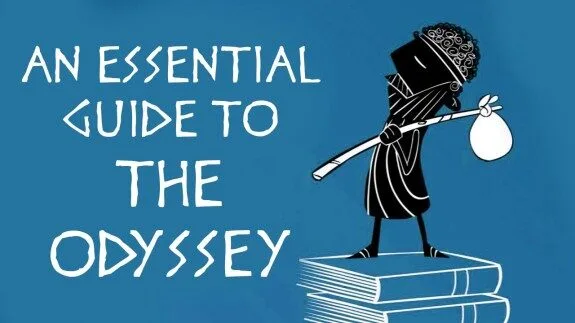
For contemporary readers, bridging the gap between ancient Greek dialect and modern comprehension is a primary challenge. A series of seven curated educational modules has been developed to assist in this process:
- Foundational Reading: Introductory guides on navigating the 12,000-line structure, focusing on the rhythmic and thematic patterns of the epic.
- The Trojan Horse Narrative: Examination of the tragedy of Laocoön, whose skepticism regarding the Trojan Horse remains a cautionary tale of political and military hubris.
- Concepts of the Afterlife: Analysis of the Underworld as depicted in Greek literature, emphasizing how the ancient Greeks envisioned the transition of souls and the role of prophetic figures like the Sibyl of Cumae.
- The Myth of Baucis and Philemon: A thematic study on the importance of xenia, using the story of Zeus’s test to illustrate the moral expectations placed upon common citizens.
- Achilles and the Heroic Ideal: An investigation into the character of Achilles, the archetype of the "greatest warrior," and the sociological implications of the demigod status in Greek mythology.
The Intersection of Mythology and Modern Media
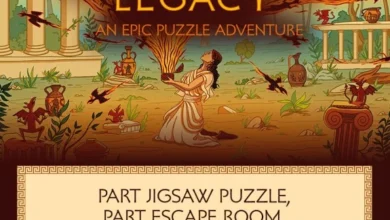
The influence of The Odyssey extends beyond academic literature into the realm of interactive media. The evolution of board games and digital puzzles, such as the recently released Pandora’s Legacy, demonstrates a shifting trend in how audiences interact with ancient mythology. By gamifying the "escape room" experience with elements of Greek lore, developers are facilitating a new form of cultural literacy.
Industry experts note that this trend is not merely recreational. Integrating complex mythological narratives into interactive play encourages cognitive engagement with the source material. According to cultural critics, these "gift from the gods" style puzzles provide an immersive, tactile connection to the past that traditional text-based learning may lack.
Broader Impact and Implications
The enduring presence of Homer’s work in modern education and entertainment reflects its status as a foundational text for understanding the human condition. The themes of resilience, the struggle against overwhelming odds, and the pursuit of home continue to resonate with modern audiences.
The analytical consensus among classicists is that the value of The Odyssey lies in its adaptability. As new archaeological evidence emerges—such as the potential discovery of lost Mycenaean archives or the continued analysis of submerged maritime ruins—the interpretation of the poem evolves. Furthermore, the use of digital pedagogical tools ensures that the poem remains accessible to younger generations, preventing the stagnation of classical studies.
Summary of Educational Objectives
For those seeking a comprehensive understanding of the Homeric cycle, the following data-driven approaches are recommended:
- Prioritize Primary Source Context: Understanding the eighth-century BCE shift to written language is essential to decoding the narrative’s structure.
- Evaluate Archaeological Evidence: Distinguishing between the poetic embellishments of Homer and the physical reality of the Hisarlik site is vital for historical accuracy.
- Cross-Disciplinary Study: Viewing the epic through the lenses of history, meteorology, and theology provides a fuller picture of the ancient world.
In conclusion, The Odyssey functions as a mirror to the ancient Mediterranean world, capturing the complexities of a society grappling with its own history, geography, and religious framework. Whether through academic critique, archaeological exploration, or interactive gaming, the story of Odysseus remains a central point of inquiry, proving that the tales of gods, monsters, and heroes retain their relevance in the 21st century. The continued investment in educational content surrounding these epics confirms that the quest to understand Homer is, much like the journey of Odysseus himself, a perennial and evolving pursuit.