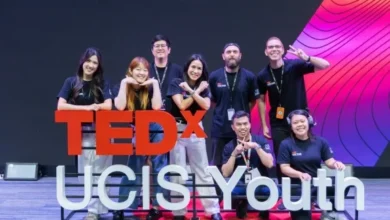
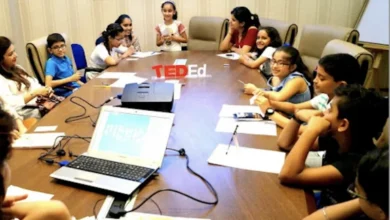
Broadening students horizons and abilities through the transformative power of TED-Ed Student Talks

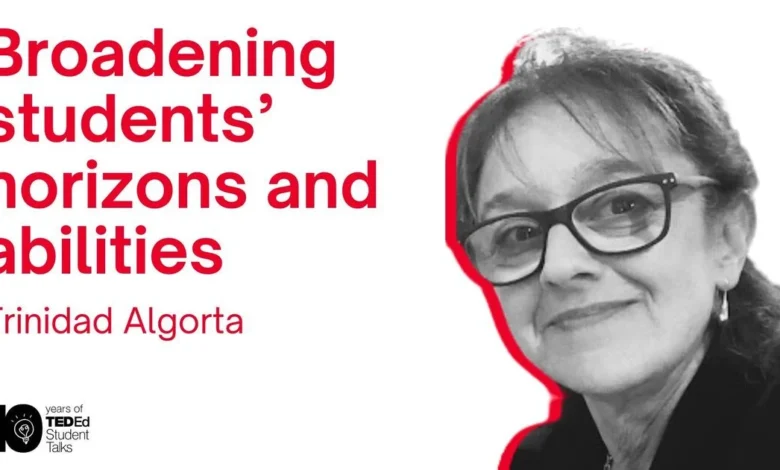
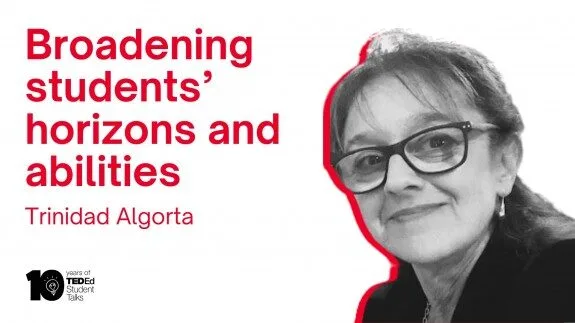
Since its inception in 2014, the TED-Ed Student Talks program has evolved into a global pedagogical movement, empowering thousands of young learners to refine their communication skills, articulate complex ideas, and engage with public speaking in a structured, supportive environment. As the organization marks its tenth anniversary, it has launched a retrospective series titled "10 for 10 years," which spotlights the educators and facilitators who have integrated these resources into diverse cultural and academic landscapes. Among these contributors is Trinidad Algorta, an English as a Foreign Language (EFL) instructor at the Alianza cultural institution in Uruguay, whose work exemplifies the program’s capacity to bridge linguistic and emotional barriers for students.
A Decade of Global Impact
The TED-Ed Student Talks initiative was designed to address a persistent gap in modern education: the need for students to move beyond rote memorization and toward the synthesis of personal experience and intellectual inquiry. By providing free, modular resources, the program allows educators to guide students through the arc of story development, public speaking techniques, and peer-to-peer feedback. Over the last ten years, this program has expanded from localized pilot groups to a network spanning numerous countries, with facilitators utilizing the provided "Facilitator’s Guide" to structure curriculum-integrated workshops.
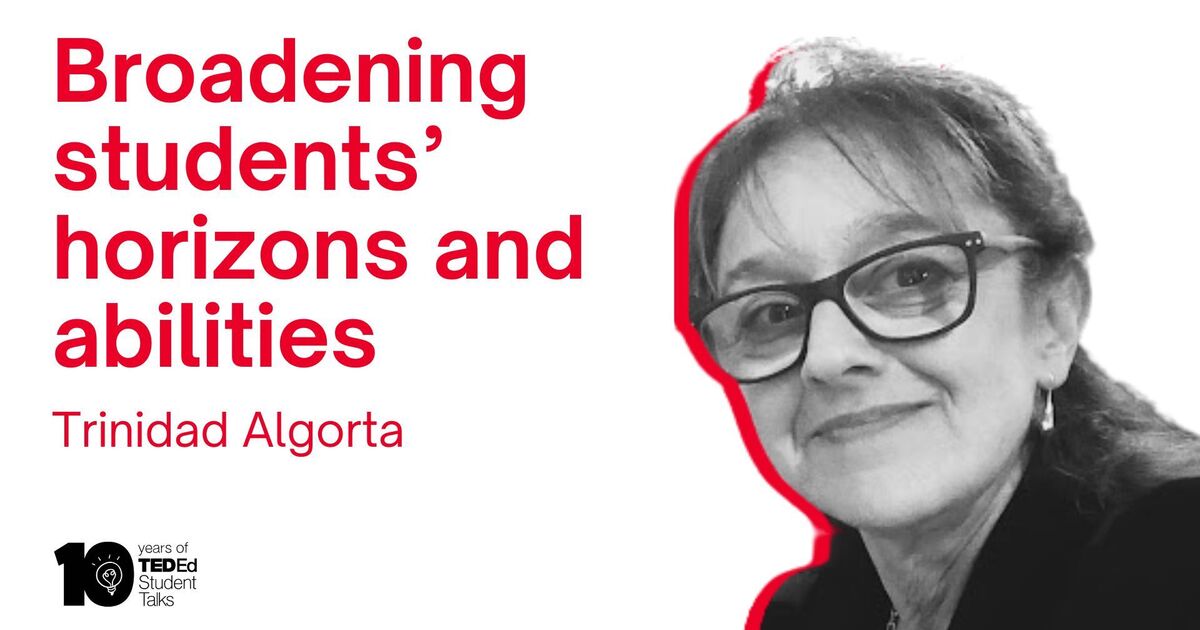
For Algorta, the integration of these materials into the Alianza curriculum was a deliberate pedagogical choice. Working within a bi-national center—a partnership between the United States and Uruguay—she sought a framework that would push her students, many of whom were participants in programs supported by the U.S. Department of State, to find their voices in a secondary language. The success of her implementation lies in the marriage of the traditional syllabus with the flexible, project-based nature of the TED-Ed materials.
Chronology of Implementation and Pedagogical Integration
Algorta’s experience serves as a case study for the successful adoption of the program. Upon discovering the resource, she initiated a structured approach that prioritized consistency. By dedicating one hour per week—separate from the core two-and-a-half-hour language training sessions—she established a rhythm that allowed students to progress through the brainstorming, drafting, and rehearsing phases without compromising the mandatory language acquisition goals of the institution.
The process unfolded in distinct phases:
- Exploration and Ideation: Students were encouraged to look inward, identifying personal anecdotes that held universal resonance.
- Narrative Synthesis: The transition from raw feeling to structured script proved to be the most demanding hurdle, requiring students to apply rhetorical devices to their own life stories.
- Collaborative Refinement: Utilizing the peer-review protocols suggested by the program, students engaged in critical assessment of each other’s drafts, fostering a community of practice.
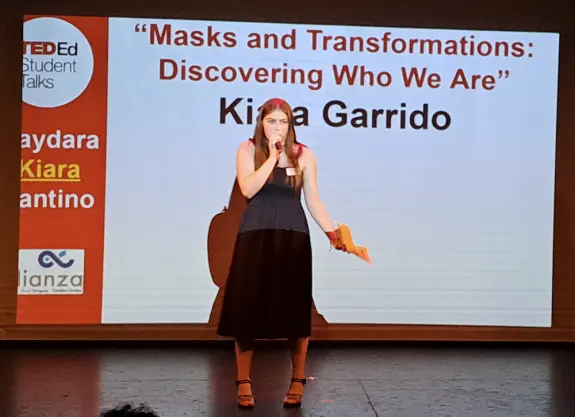
- Public Performance: The culmination of the process—the final event—served as a high-stakes, real-world application of the skills practiced throughout the term.
Data-Driven Observations on Skill Development
The impact of this pedagogical approach is measurable across three primary competencies: linguistic proficiency, non-verbal communication, and rhetorical structure. According to Algorta, the most significant shift occurred in the students’ ability to manage the physical aspects of public discourse. The transition from classroom participant to orator necessitated a heightened awareness of body language, vocal modulation, and stage presence.
Furthermore, the academic spillover was pronounced. Students who participated in the program demonstrated improved essay-writing capabilities in their other courses. The structural demands of a talk—which requires a compelling "hook," a logical flow of evidence, and a satisfying conclusion—closely mirror the requirements of academic writing. Data suggests that students who engage in such performance-based learning show increased retention of vocabulary and grammatical structures, as they are being used in a high-context, personal environment rather than in abstract exercises.
Overcoming Challenges and Fostering Resilience
A recurring theme in the history of the Student Talks program is the initial hesitation students feel regarding their own "story-worthiness." Many participants, particularly those with immigrant backgrounds, often dismiss their personal experiences as unimportant or mundane. Facilitators like Algorta report that the most critical part of the process is the "re-valuing" of these experiences.
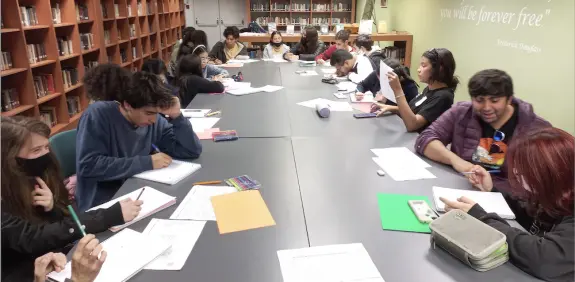
The role of the facilitator is less about lecturing and more about Socratic questioning. By utilizing the provided guide, educators can nudge students toward realizing that their unique perspectives—such as the experience of migrating to a new country or navigating cultural shifts—are the very foundations of compelling narratives. This psychological shift often leads to a significant increase in self-efficacy. Students who begin the program with deep apprehension often conclude it with a desire to repeat the experience, as evidenced by the student who transitioned from wanting to hide his participation from his parents to becoming an advocate for the next year’s cohort.
The Broader Implications for Global Education
The success of the TED-Ed Student Talks model in Uruguay reflects a broader trend in international education: the prioritization of "soft skills" alongside traditional literacy. In an era of increasing digital saturation, the ability to formulate a clear argument and deliver it with empathy and authority is becoming a high-value asset in the workforce and higher education.
For organizations like Alianza, the program has served as a bridge. It allows a bi-national center to demonstrate that language is not merely a tool for communication, but a vehicle for cultural identity and personal expression. The implications for other educators are clear: the barriers to implementing such programs are often perceived as higher than they actually are. With the right tools and a commitment to student-centered facilitation, the transformation from passive learner to active communicator is achievable across diverse socio-economic and cultural demographics.
Official Perspectives and Future Directions
While the "10 for 10 years" series is a celebration of past successes, it also provides a roadmap for the future. TED-Ed has noted that the demand for such programs continues to rise as traditional curricula struggle to keep pace with the demands of modern communication. The feedback from facilitators suggests that the program’s longevity is due to its adaptability; it does not dictate a rigid script but rather provides a scaffold upon which teachers can build.
The lessons learned by facilitators in Uruguay and beyond underscore a critical pedagogical truth: students are capable of profound intellectual and emotional contributions if provided with the correct structure and the confidence that their stories matter. As the program moves into its second decade, the focus is expected to shift toward further digitizing the feedback loop and creating even greater connectivity between international student groups.
Conclusion: A Legacy of Empowerment
The trajectory of the TED-Ed Student Talks program—from its origin as a digital resource to its current status as a global community of speakers—demonstrates the enduring power of the human narrative. By integrating these practices into classrooms from Uruguay to the rest of the world, educators are ensuring that the next generation is not only fluent in language but also fluent in the art of expression. For teachers considering the integration of such programs, the consensus is clear: the process is demanding, but the outcome—students who are confident in their own voices—is the ultimate objective of education. The work done by facilitators like Trinidad Algorta remains a testament to the fact that when students are given the space to speak, they do not just fill the silence; they redefine the conversation.