Metroid Prime 4: Beyond and the Case for a Franchise Reinvigoration Through Strategic Remakes

The release of Metroid Prime 4: Beyond in 2025 marked a significant inflection point for one of Nintendo’s most storied sci-fi franchises. Following a protracted and famously troubled development cycle at Retro Studios—spanning over five years—the title arrived with immense anticipation. However, the final product failed to meet the critical and commercial benchmarks established by its predecessors. Instead of a triumphant return, players were met with a narrative that felt disjointed, featuring secondary characters that alienated the core fanbase, questionable mechanical additions like vehicle-based traversal, and a conclusion that many deemed underwhelming.
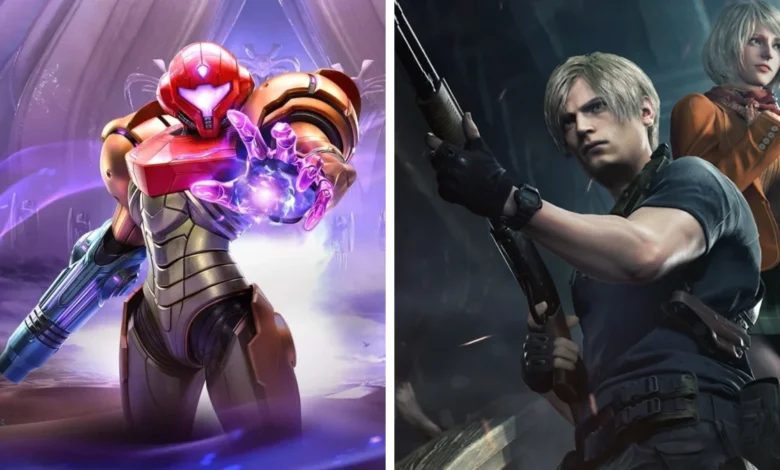
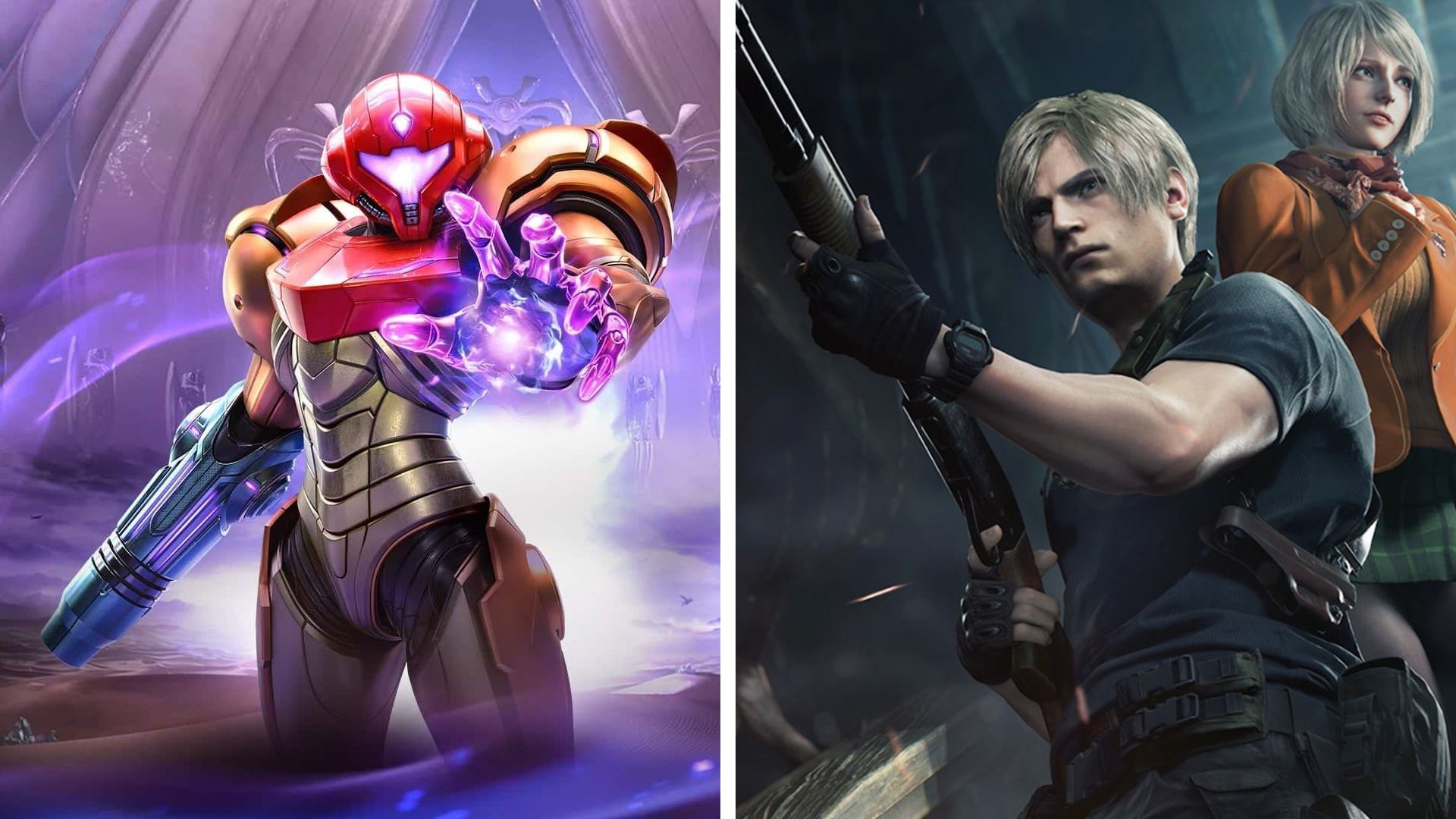
This reception has prompted a wider discussion within the gaming industry regarding the future of the Metroid series and whether Nintendo might find more success by looking to the past. Specifically, there is growing sentiment that the series could benefit from a comprehensive, high-budget remake of the original Prime trilogy, modeled after the successful revival strategies employed by Capcom for its Resident Evil franchise.
A Chronology of the Prime Series
The Metroid Prime saga holds a distinct place in gaming history. When the first entry launched on the Nintendo GameCube in 2002, it was tasked with a monumental challenge: successfully translating a 2D platforming-exploration hybrid into a fully realized 3D environment. Retro Studios achieved this by pioneering the "First-Person Adventure" sub-genre, prioritizing atmosphere, environmental storytelling, and intricate puzzle-solving over the twitch-based combat typical of the era.
The franchise’s timeline illustrates a series that has historically operated on a feast-or-famine basis:
- 2002: Metroid Prime debuts, setting a new standard for atmospheric sci-fi games.
- 2004: Metroid Prime 2: Echoes introduces a dual-world mechanic and the series’ first dedicated multiplayer mode.
- 2007: Metroid Prime 3: Corruption closes the trilogy, utilizing the Nintendo Wii’s motion controls.
- 2009: Metroid Prime Trilogy is released as a compilation, solidifying the legacy of the three titles.
- 2017: Nintendo announces Metroid Prime 4 at E3, sparking massive enthusiasm.
- 2019: Nintendo officially restarts development on Metroid Prime 4, handing the reins back to Retro Studios.
- 2023: Metroid Prime Remastered launches for the Nintendo Switch, earning critical acclaim for its visual fidelity.
- 2025: Metroid Prime 4: Beyond is released to mixed reception, leaving the future of the series in a state of uncertainty.
The 18-year gap between the third entry and the fourth created a generational divide. While the series remained culturally significant, the industry evolved rapidly during those two decades. When Beyond finally arrived, it struggled to reconcile the deliberate, methodical pace of the GameCube-era design with the expectations of a modern gaming audience.
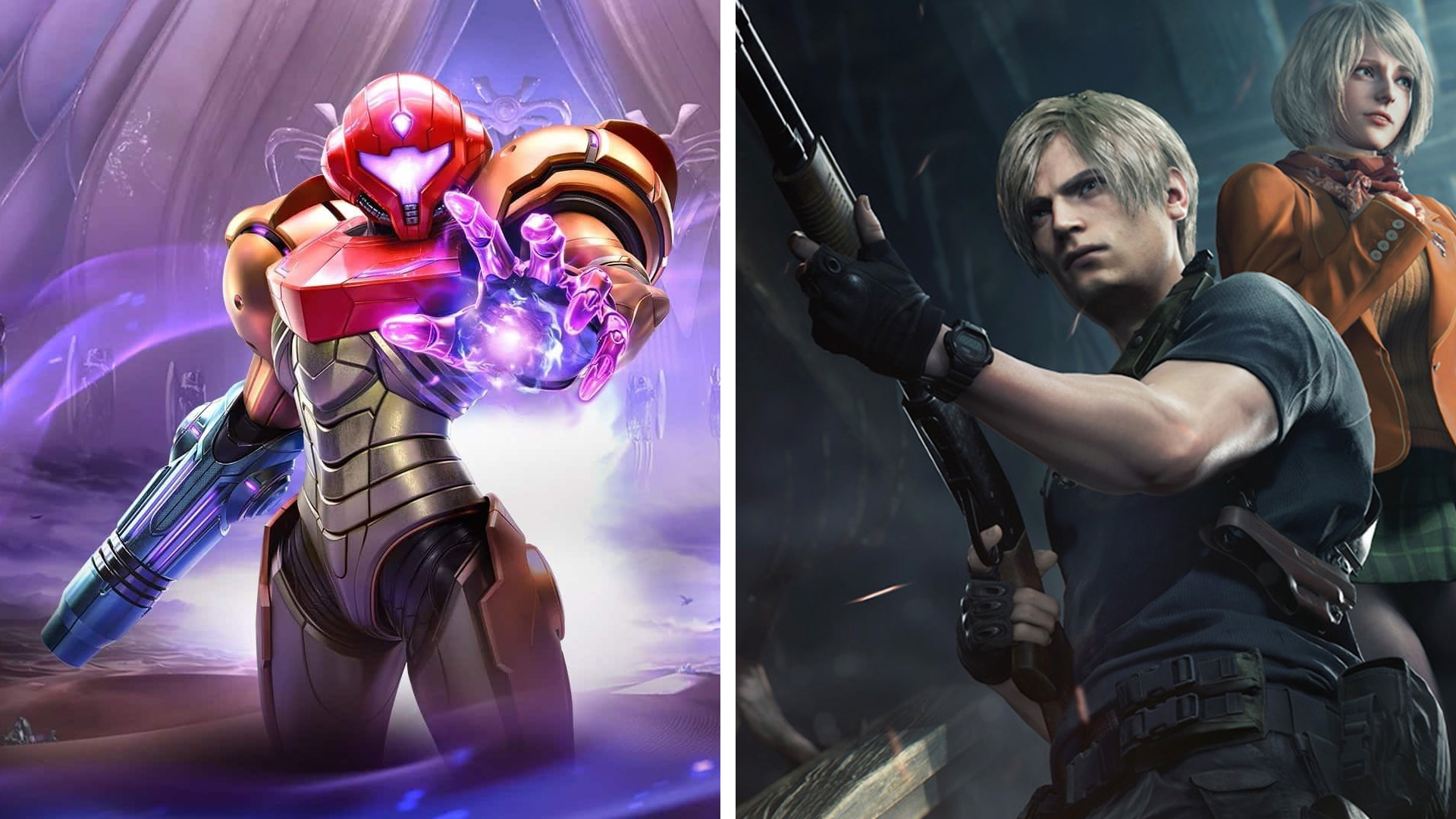
The Resident Evil Model: A Blueprint for Revival
Capcom’s approach to the Resident Evil series offers a compelling case study in brand management. Following the commercial and critical stagnation of Resident Evil 6 (2012), the franchise appeared to be in decline. Capcom’s subsequent pivot involved a two-pronged strategy: creating innovative new mainline entries and systematically remaking the foundational classics.
By utilizing the RE Engine, Capcom was able to modernize the "survival horror" experience of 1999’s Resident Evil 3: Nemesis or the 1998 Resident Evil 2 without sacrificing the core tension that defined the originals. The 2019 remake of Resident Evil 2 is widely cited as the gold standard for this approach; it maintained the structural "bones" of the 1998 game while updating the AI, camera systems, and lighting to contemporary standards.
For Nintendo, applying this philosophy to the Metroid Prime series could provide a necessary bridge between the legacy titles and the future of the franchise. While Metroid Prime Remastered was a technical success, it remained fundamentally bound by the limitations of the original engine. A full-scale remake, utilizing the underlying technology and assets developed for Metroid Prime 4: Beyond, would allow developers to expand the scope of the original trilogy. This could involve reimagining the level design to be more seamless, integrating modern haptic feedback features, and re-orchestrating the iconic scores for high-fidelity audio systems.

Addressing the Multiplayer Void
One of the most notable criticisms of Metroid Prime 4: Beyond was its lack of a robust multiplayer component, a feature that was a highlight of Metroid Prime 2: Echoes. The 2004 multiplayer mode allowed for four-player deathmatches and objective-based gameplay across several distinct arenas.
In the modern gaming landscape, where online infrastructure is standard, the omission of such a feature feels like a missed opportunity. A comprehensive remake project could not only restore these modes but expand upon them significantly. By leveraging the Nintendo Switch 2’s expected capabilities—such as improved online stability and integrated voice chat—a re-released trilogy could include:
- Online matchmaking: Moving beyond local couch-play to global competitive leaderboards.
- Cooperative Campaign Mode: Adapting the single-player experience for dual-player exploration.
- Horde Modes: Providing a PvE (Player vs. Environment) alternative that challenges players to defend locations from swarms of Space Pirates or Metroids.
Industry Implications and Market Positioning
The current gaming market is defined by high-stakes consolidation. Major publishers, including Microsoft and Sony, have tightened their focus on "evergreen" intellectual properties that can sustain player engagement for years. For Nintendo, maintaining the health of the Metroid franchise is essential, not just for revenue, but for brand prestige.

The lukewarm reception of Beyond suggests that the current direction of the series is not resonating with the broader market. When compared to the success of Metroid Dread (2021), which proved that the series could thrive with a 2D perspective and high-intensity gameplay, it becomes clear that "Prime" as a brand needs to rediscover its identity.
Analysts have noted that Nintendo’s reluctance to make the older Prime titles accessible on modern hardware—outside of the 2023 remaster—has created an unnecessary barrier to entry for new players. By investing in a full-scale reimagining of the original trilogy, Nintendo could achieve three objectives: keeping the franchise relevant during development cycles for future installments, establishing a consistent technical baseline for the "Prime" feel, and satiating the core fanbase that has remained loyal despite long periods of silence.
Conclusion: The Path Forward
As of 2026, the Metroid series sits at a crossroads. The recent failure to deliver a consensus "hit" with Beyond has created a vacuum where speculation and concern have begun to fester. Without a clear path forward, there is a risk that the franchise could drift into the same obscurity it suffered during the early 2010s.

However, the solution may not lie in creating entirely new, experimental concepts, but in the meticulous refinement of the foundation that established the series as a titan of the genre. By adopting the "remake-as-revival" model, Nintendo has the potential to revitalize the Metroid Prime legacy, ensuring that Samus Aran’s adventures remain a benchmark for the medium rather than a footnote in the history of console hardware. Whether through a high-definition overhaul or a complete engine-based rebuild, the goal remains the same: proving that the "Metroid magic" is not a relic of the past, but a viable, compelling experience for the future.