NASA Nancy Grace Roman Space Telescope Mission Lifespan Doubled Following Exceptional Launch and Fuel Efficiency

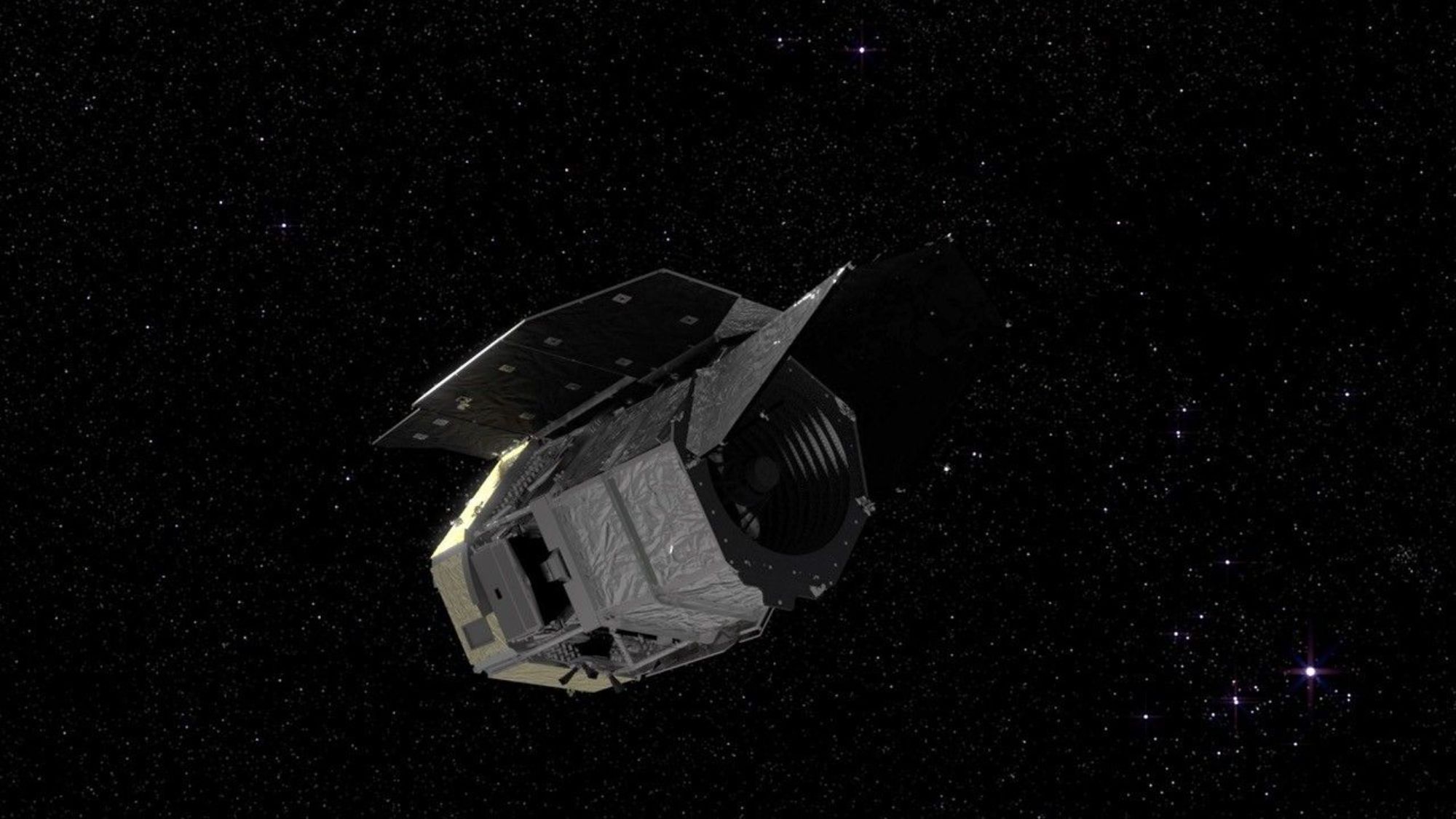
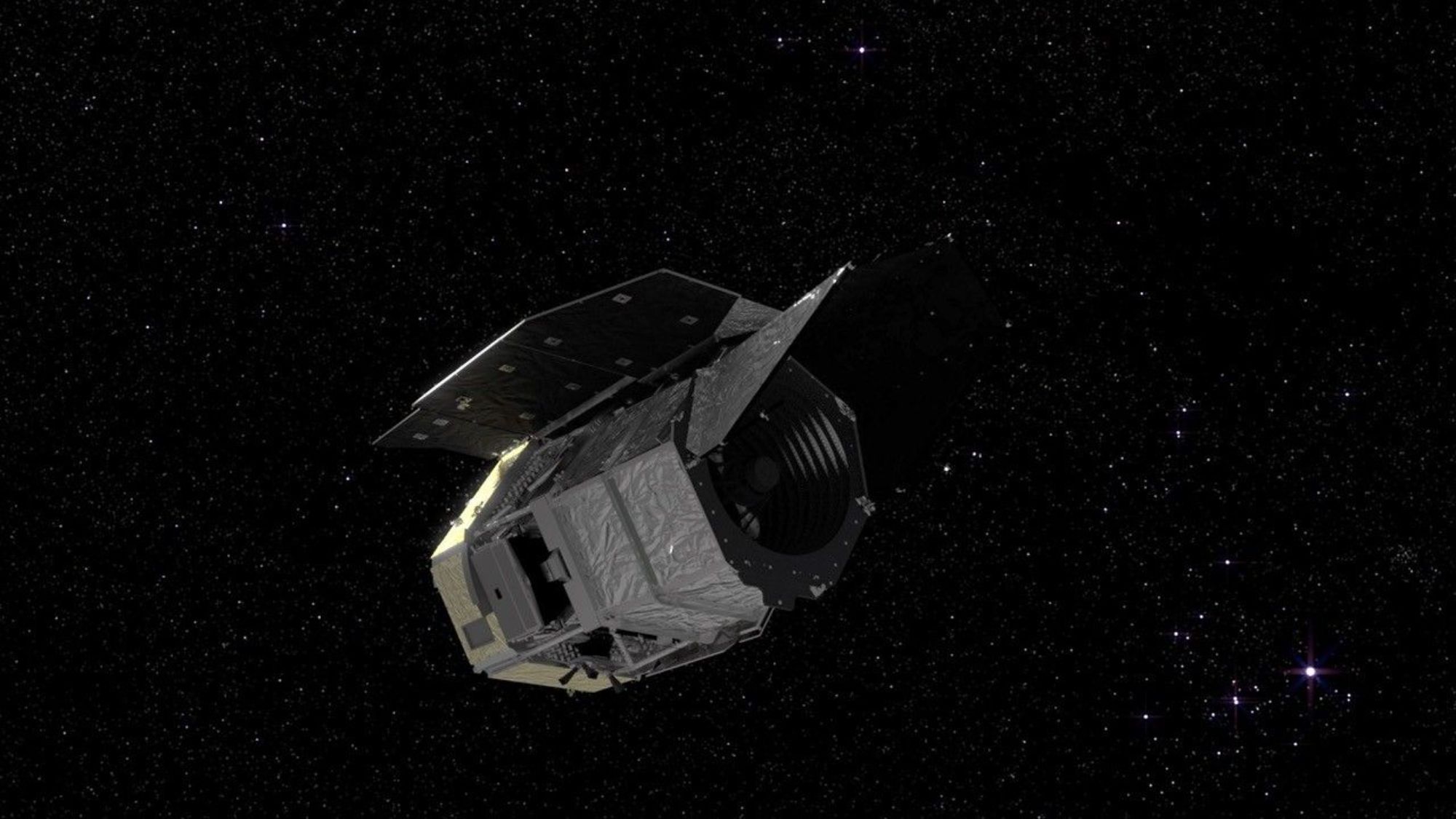
The Nancy Grace Roman Space Telescope, NASA’s latest flagship observatory, is poised to redefine our understanding of the cosmos for decades to come. Following a successful launch from Cape Canaveral on August 30, the mission has achieved a series of critical performance milestones that have significantly extended its operational life. NASA officials confirmed this week that thanks to a combination of precise orbital maneuvers and a lower-than-anticipated spacecraft mass, the telescope now carries enough fuel to support at least 22 years of scientific operations, far exceeding its original baseline mission requirements.
This development marks a significant shift in the mission’s outlook. Originally conceived as a five-year primary mission with the potential for an additional five-year extension contingent upon future funding and hardware health, the observatory is now effectively guaranteed a lifetime that could stretch well into the late 2040s.
A Masterclass in Orbital Dynamics
The path to this extended mission began long before the launch vehicle cleared the tower. During the development and integration phase, engineers at NASA’s Goddard Space Flight Center (GSFC) meticulously tracked the mass of the telescope. In aerospace engineering, fuel budgets are calculated based on the maximum allowable launch mass to ensure the mission remains viable even if the hardware arrives at the pad at its heaviest projected weight.
For the Roman Space Telescope, the design threshold was set at 21,605 pounds (9,800 kilograms). However, as the telescope was finalized and prepared for flight, its actual mass came in at approximately 17,760 pounds (8,065 kilograms). This discrepancy provided a unique tactical advantage: the engineering team realized that the propellant tanks, designed to accommodate the maximum mass, could be filled to capacity without exceeding the launch vehicle’s payload constraints. By filling these tanks to the brim, the team immediately increased the baseline fuel reserve from a 10-year capacity to a 14-year capacity.
The Precision Burn: A Milestone in Navigation
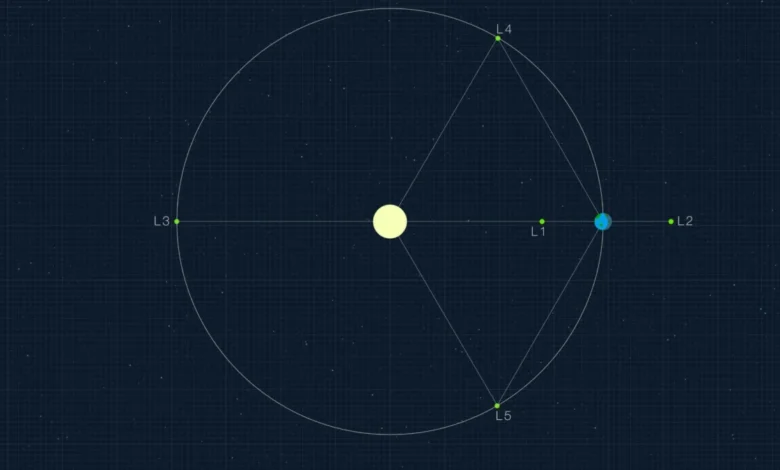
The mission’s efficiency was further amplified by the performance of its launch vehicle and the subsequent trajectory correction maneuvers. On August 31, just one day after launch, the telescope executed a critical three-minute engine burn to set its course toward the second Lagrange point (L2).
L2 is a gravitationally stable point in space located approximately 1.5 million kilometers (about 1 million miles) from Earth, directly opposite the Sun. This location is ideal for infrared observatories like Roman and the James Webb Space Telescope (JWST), as it allows the spacecraft to keep its instruments shielded from the thermal interference of the Sun, Earth, and Moon.
The execution of this maneuver was near-flawless. NASA reported that the burn achieved 99% accuracy, requiring only 40 pounds (18 kilograms) of propellant—a fraction of the 441 pounds (200 kilograms) originally budgeted for the maneuver. This efficiency gain immediately added four years to the mission’s life expectancy, pushing the total projected operational window to 18 years.
Future Maneuvers and Longevity
The mission trajectory currently heads toward a second, final course correction scheduled for early December. This maneuver will finalize the telescope’s insertion into its designated halo orbit around L2. Because the initial trajectory is so accurate, the propellant required for this second burn is expected to be minimal.
Jamie Dunn, Center Director at NASA Goddard, emphasized the collective effort required to reach this state. "As a result of exquisite planning by our orbital dynamics team, brilliant execution by the operations team, and a precise launch from SpaceX, Roman has fuel for at least 22 years of potential science operations," Dunn said in an official statement.
Once the telescope is stationed at L2, its fuel consumption will drop to negligible levels. Maintaining an orbit at a Lagrange point requires only periodic "station-keeping" maneuvers—small, precise thruster firings performed roughly once every 28 days to keep the spacecraft in its intended position. Given the current fuel reserves, these monthly burns will not pose a threat to the mission’s longevity for the next two decades.
Scientific Implications of an Extended Mission
The extension of the Roman mission has profound implications for the astronomical community. The telescope was designed to solve some of the most pressing mysteries in modern physics, specifically the nature of dark energy and the prevalence of exoplanets.
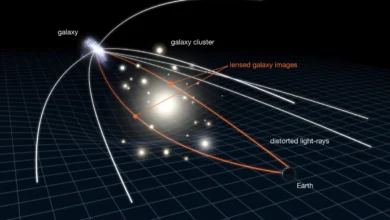
Dark energy, the enigmatic force responsible for the accelerated expansion of the universe, remains one of the greatest challenges to the Standard Model of cosmology. By conducting large-scale surveys of galaxies and supernovae, the Roman Space Telescope will provide the most detailed map of the universe’s expansion history ever created. A 22-year mission allows for significantly deeper, wider, and more comprehensive surveys than a decade-long mission could ever achieve.
Furthermore, the telescope’s capability to directly image exoplanets—a feat previously hindered by the glare of host stars—will be greatly enhanced. With two decades of operational time, astronomers will be able to monitor planetary systems over longer periods, potentially observing orbital changes, atmospheric variations, and even the long-term dynamics of distant solar systems.
A New Era for NASA Observatories
The Roman Space Telescope joins a lineage of high-precision observatories that have fundamentally changed our view of the universe. By operating in tandem with other missions, such as the James Webb Space Telescope and the upcoming Nancy Grace Roman mission’s specialized surveys, the observatory will help create a multi-wavelength and multi-messenger understanding of space.
Alison Rao, who leads the propulsion systems team at NASA Goddard, explained that the "wiggle room" built into the mission was a deliberate design strategy. "A spacecraft’s mass changes throughout the design and build process, so we base the propellant on a set maximum value so we won’t come up short," Rao noted. By proactively tracking the fuel requirements against the evolving mass of the telescope, the team ensured that the mission was never forced to compromise on its primary objectives.
Conclusion: Looking Toward 2048
As the scientific community watches the Nancy Grace Roman Space Telescope settle into its L2 orbit, the news of its extended fuel life serves as a testament to the rigor of modern aerospace engineering. The success of this mission is not merely about the hardware itself, but about the synergy between mission design, launch accuracy, and operational agility.
If the telescope remains healthy, it will continue to transmit data back to Earth until at least 2048. For the next generation of astronomers, this provides a stable, long-term platform for discovery that will span the entirety of their professional careers. The "exquisite planning" noted by NASA leadership has not only saved a mission from potential early retirement but has effectively doubled the scientific return on a multi-billion dollar investment, ensuring that the legacy of Nancy Grace Roman—the "mother of the Hubble Space Telescope"—will continue to illuminate the darkest corners of the universe for many years to come.