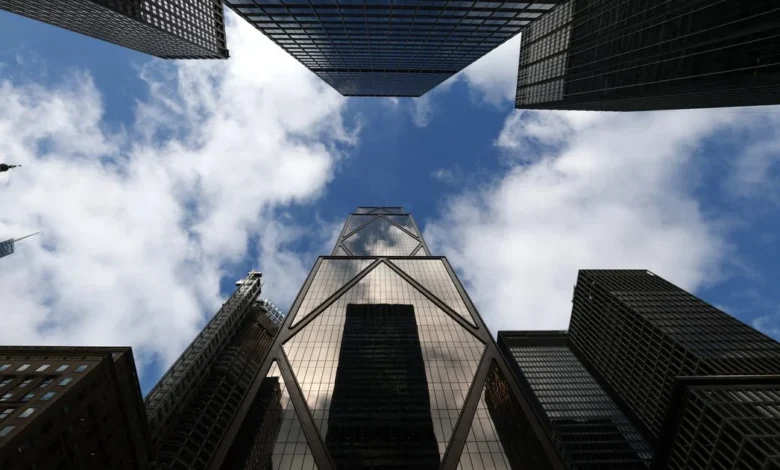
The skyline of Midtown Manhattan has been fundamentally altered by the arrival of 270 Park Avenue, a structure that serves as both a functional headquarters for JPMorgan Chase and a massive statement of intent regarding the future of the American workplace. Since its opening in late 2025, the Foster + Partners-designed skyscraper has garnered attention not merely for its soaring height or its prime location, but for its staggering price tag. With estimates placing the total cost of the project at approximately $6 billion, 270 Park Avenue is widely considered the most expensive office tower ever constructed in New York City, if not the United States.
The sheer scale of the investment reflects a high-stakes bet by CEO Jamie Dimon on the endurance of the traditional office model. In an era defined by the rise of hybrid work and the decentralization of the corporate workforce, JPMorgan’s decision to commit such a massive capital expenditure to a single site is an anomaly that demands scrutiny.
A Chronology of Construction and Ambition
The path to 270 Park Avenue began long before the first steel beams were hoisted into the Midtown air. The site was previously occupied by the Union Carbide Building, a 52-story structure completed in 1961. In a move that signaled the bank’s long-term commitment to the neighborhood, JPMorgan opted to demolish the existing structure—the tallest building ever voluntarily dismantled—to make room for its modern successor.
Demolition began in 2019, a complex engineering feat that involved stripping the building to its core before carefully taking it apart floor by floor. By 2021, the new foundation was poured, and the vertical ascent began. Despite the logistical challenges posed by the COVID-19 pandemic and subsequent supply chain disruptions, the project remained on a steady trajectory. By the time the building held its ribbon-cutting ceremony in the fall of 2025, it had become the physical manifestation of JPMorgan’s "back to the office" ethos.
Breaking Down the $6 Billion Price Tag
Industry analysts have scrutinized the $6 billion figure, which averages out to roughly $2,500 per square foot for the 2.5 million-square-foot tower. While the bank has historically been evasive regarding specific expenditures—frequently floating lower estimates in the $3 billion to $4 billion range—the total investment appears to encompass a broader scope than standard construction costs.
The valuation includes the purchase of expensive air rights, which allowed the building to reach its current height, as well as the interior fit-outs that define the luxury nature of the space. Beyond the structural steel and high-performance glass facade, the bank invested heavily in tenant amenities. The building features an internal wellness center offering physical therapy and specialized health services, an Irish pub, and high-end fitness facilities. Furthermore, the aesthetic investments are substantial, with commissioned works by renowned artists such as Maya Lin and Gerhard Richter adorning the public spaces.
The external lighting display, managed by artist Leo Villareal, serves as a beacon for the bank’s branding. Unlike the static illumination of other iconic city structures, 270 Park’s exterior features a dynamic light show that responds to the environment, symbolizing the bank’s desire to remain a "living" presence in the urban landscape.
Comparative Analysis: The Cost of Modern Towers
When measured against other high-profile developments, the cost of 270 Park stands in a league of its own. In 2017, 50 Hudson Yards—a 2.9 million-square-foot tower developed by Related Companies—was lauded as the most expensive office building in the city, with a total cost of roughly $4 billion, or $1,400 per square foot.
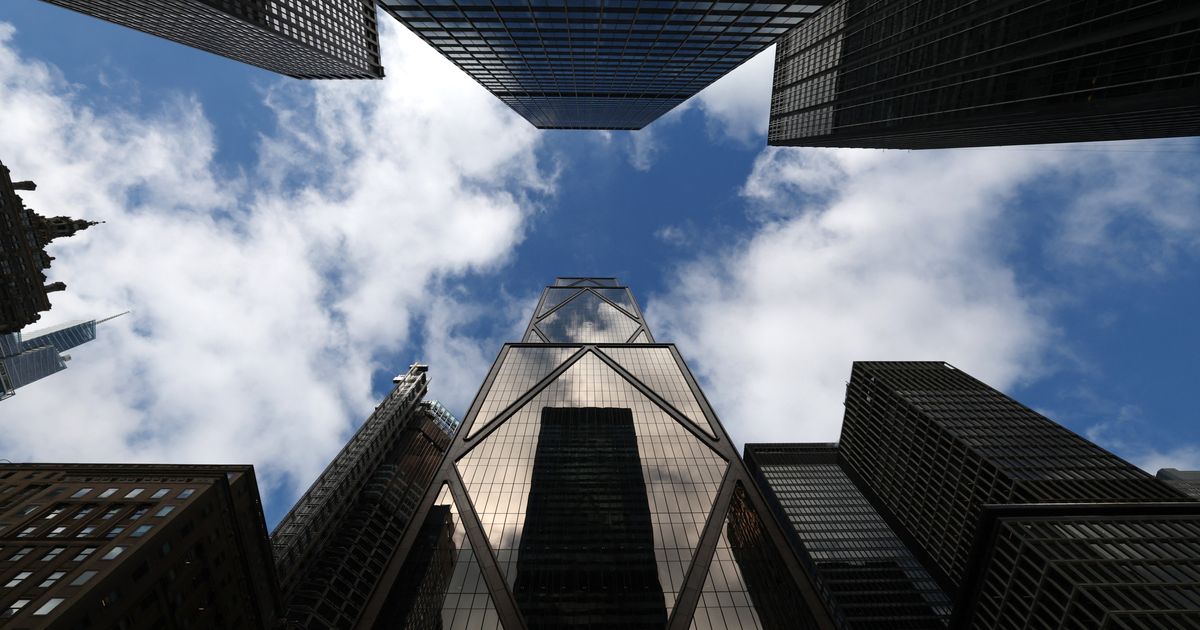
The comparison is even more stark when looking back at One Vanderbilt, which opened in 2020 at a cost of approximately $3.14 billion. The rapid escalation in costs is partially attributed to post-pandemic inflationary pressures on labor and materials. However, the premium placed on 270 Park reflects a conscious choice by the bank to build a "Class A+" office space designed to serve as a magnet for top talent, regardless of the fluctuating trends in remote work.
The Strategic Shift of Jamie Dimon
For longtime observers of JPMorgan Chase, the construction of 270 Park represents a departure from the conservative financial management style historically championed by Jamie Dimon. In 2004, Dimon made headlines for closing the company gym, suggesting that employees should find their own means of exercise, and in 2018, he famously warned investors to be wary of companies that poured excessive capital into new headquarters.
The pivot to a $6 billion project marks a new phase for the bank. With 2024 profits reaching an unprecedented $59 billion, the firm has the liquidity to absorb such costs. The logic, according to institutional insiders, is that the bank’s competitive advantage relies on the proximity of its workforce. By creating a frictionless, high-amenity environment, the bank aims to maintain a cultural and operational synergy that remote environments cannot replicate.
Implications for the Commercial Real Estate Market
The existence of 270 Park Avenue—and the upcoming $6 billion Citadel tower at 350 Park Avenue—suggests that the market for trophy office space in New York remains robust, even as secondary office stock continues to struggle with high vacancy rates. This bifurcation of the market is a defining trend of the 2020s.
For developers and lenders, 270 Park sets a new ceiling for project financing. It signals that high-net-worth firms are willing to pay for state-of-the-art sustainability features, wellness integration, and iconic architecture to future-proof their operations. The bank’s ability to anchor such a massive development also provides a sense of stability for the surrounding Midtown East district, which has faced questions regarding its future viability as a commercial hub.
Official Responses and Future Outlook
While JPMorgan Chase has not provided a line-item breakdown of the $6 billion expenditure, leadership continues to frame the tower as an essential asset for the next century of banking. The focus remains on the "benefits of deregulation" and the belief that a physical headquarters is the bedrock of corporate productivity.
Critics, however, point to the potential risks of such a concentrated investment. If the broader economy slows or if remote work patterns become more entrenched, the fixed costs of maintaining such a massive, luxury-laden facility could place a significant drag on the firm’s operating expenses. Nonetheless, for now, the tower stands as a monument to the bank’s resilience and its refusal to retreat from the traditional urban office model.
As other financial titans observe the success—and the cost—of 270 Park, the race for "the best of the best" in office space is likely to continue. The tower is not merely an office building; it is a declaration that for firms like JPMorgan, the office remains the central nervous system of global finance. Whether the market will support similar projects in the coming decade remains a subject of ongoing debate, but for the present, 270 Park Avenue occupies the throne as the most expensive, and perhaps the most scrutinized, office tower in the city.