The Conde Nast Traveler x District Top Restaurant Awards 2026 Crowns India’s Finest Culinary Destinations

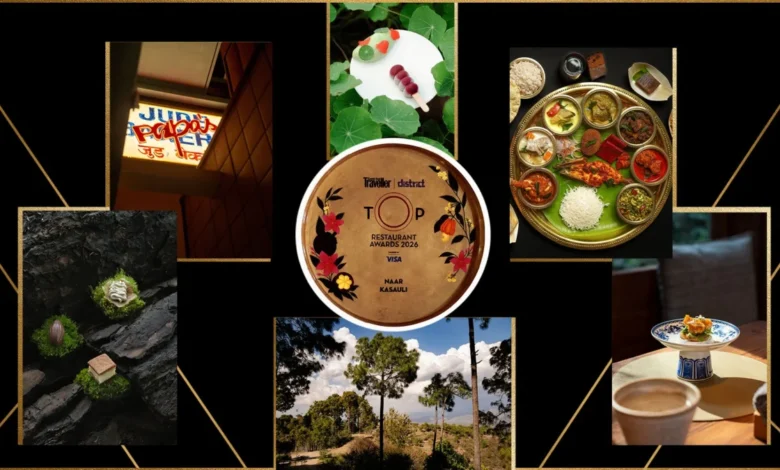
The seventh edition of the Conde Nast Traveler x District Top Restaurant Awards, powered by Visa, officially concluded with a high-profile ceremony held at the Grand Hyatt in Bambolim, Goa. This year’s release of the top 50 restaurants in India highlights a dynamic culinary landscape characterized by an intriguing blend of continuity and rapid evolution. Over the years, this definitive ranking has evolved into a crucial barometer for the nation’s gastronomy, charting the innovative ways in which chefs, bartenders, and restaurateurs are redefining contemporary Indian dining and drinking culture.

The Context and Selection Process

The path to the top 50 is rooted in a rigorous selection process designed to maintain absolute impartiality and industry-wide representation. Conde Nast Traveler begins by curating an expansive shortlist comprising over 1,000 dining establishments from across the country, allowing restaurants to self-nominate via a public application form.

The ultimate rankings are determined through a rigorous, two-phase private voting process executed by a 105-member jury. This diverse panel consists of India’s foremost tastemakers, including food critics, writers, chefs, fashion designers, artists, and curators. To ensure a balanced national perspective, regional diversity is deliberately integrated into the jury pool, while stringent screening measures are enforced to eliminate potential conflicts of interest. The entire voting and tabulation process is independently overseen by process advisors Deloitte Touche Tohmatsu India LLP.

Geographic Shifts and Regional Rise

The 2026 list reveals a significant geographic realignment in India’s culinary power dynamics. Most notably, Goa has achieved a historic milestone by tying with Mumbai, with each region securing 13 establishments in the top 50. This parity underscores the maturation of Goa’s dining ecosystem, which has successfully transcended its historical perception as a casual holiday detour to emerge as a serious center of culinary innovation.

Bengaluru follows closely with six entries, while Chennai and Kolkata maintain a strong presence with four establishments each. New Delhi contributes three spots, and Shillong has notably doubled its representation with two spots. The remaining positions are distributed across Kasauli, Hyderabad, Jaipur, Gurugram, and Karaikudi, each claiming a single spot. This wide geographic spread demonstrates that exceptional culinary artistry is increasingly decentralized, thriving far beyond traditional metropolitan hubs.

Leading the 2026 Rankings: A Closer Look at the Top Tier

At the pinnacle of the 2026 list is NAAR, located on a dramatic cliffside near Darwa village in Kasauli, Himachal Pradesh. Founded by Chef Prateek Sadhu, the 16-seat establishment operates out of wood and slate huts. Sadhu, alongside Chef Kamlesh Negi, utilizes a juniper-smoked hearth to present six distinct menus that strictly mirror the six seasons of the Himalayas.

Securing the second spot is Mumbai’s enduring landmark, The Table, where head chef Louis Gomes anchors a kitchen balancing established signatures like the SoBo Salad with avant-garde offerings such as lamb brain and morel vol-au-vent. Fellow Mumbai establishment Papa’s claims the third position, offering an exclusive 12-seat, 12-course menu orchestrated by Chef Hussain Shahzad above a Bandra sandwich shop.

Rounding out the top tier is Bengaluru’s FarmLore at number four, situated across 37 acres of mango and coconut groves. Chef Johnson Ebenezer’s tasting menu is intrinsically tied to the land, utilizing produce harvested directly from the property and cooked over wood stoves fueled by fallen orchard timber. Sienna Calcutta takes fifth place, functioning as a cultural project celebrating Bengal’s land and people through heritage ingredients and contemporary techniques.

Implications for the Indian Hospitality Industry

The rise of regional ingredients, hyper-local foraging, and intimate chef-driven concepts signaled by the 2026 rankings points to a mature, confident domestic dining public. Establishments like Izumi Assagao in Goa, Indian Accent in New Delhi, and Avartana in Chennai demonstrate that Indian diners are increasingly receptive to complex, multi-course tasting formats that merge indigenous roots with international technical precision.

Industry analysts note that recognition from authoritative platforms like the Conde Nast Traveler x District Top Restaurant Awards plays a vital role in elevating India’s global culinary standing. By shining a spotlight on both heritage institutions and remote, pioneering kitchens like NAAR and Rynsan in Shillong, the awards encourage sustainable agricultural partnerships, support local artisan economies, and inspire the next generation of culinary professionals across the subcontinent.
Related posts: