Beyond the Candy Bowl: How Halloween Has Evolved Into a Multi-Billion-Dollar Cultural and Economic Phenomenon for Adults

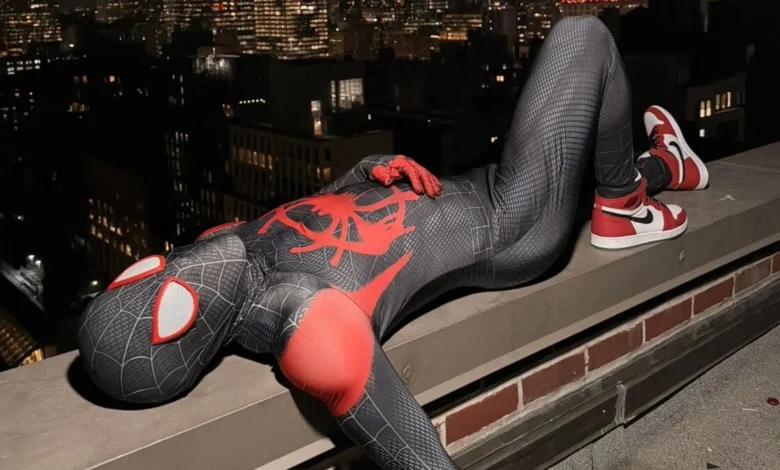
Halloween has steadily evolved over the past several decades from a traditional community-based holiday centered primarily around children trick-or-treating into a major cultural and economic powerhouse heavily driven by adult participation. While the crisp autumn air still brings out neighborhood youngsters seeking confectionary rewards, the modern observance of October 31 encompasses a vast array of adult-centric celebrations, ranging from corporate costume contests and themed nightlife events to massive digital showcases on social media platforms. Industry analysts and retail associations note that this demographic shift has fundamentally altered the scale and scope of Halloween festivities, transforming a single evening of domestic door-to-door solicitation into an extended season of creative expression, commerce, and digital community building.
The transformation of Halloween into a holiday with broad appeal across all age groups is reflected in decades of consumer research and retail tracking data. According to annual reports compiled by the National Retail Federation (NRF) and Prosper Insights & Analytics, total consumer spending on Halloween in the United States has shattered records year after year, frequently eclipsing the ten-billion-dollar threshold. A significant portion of this expenditure is driven not by children’s plastic masks and miniature chocolate bars, but by adults investing in high-end theatrical makeup, elaborate handmade costumes, home décor, and social gatherings. This economic expansion underscores a broader sociological trend: adults are increasingly embracing playful nostalgia and escapism, utilizing holidays that were once strictly youth-oriented as legitimate outlets for artistic craftsmanship, social engagement, and pop-culture fandom.
The Chronology and Evolution of Modern Halloween Culture
To understand how Halloween reached its current cultural saturation, it is necessary to examine the trajectory of the holiday over the latter half of the twentieth century and into the digital age. Originally rooted in ancient Celtic traditions such as Samhain—marking the boundary between the living world and the realm of the dead—the holiday was brought to North America by immigrants, where it gradually synthesized into a community-oriented children’s celebration by the mid-1900s.
By the 1980s and 1990s, however, the commercialization of adult costumes began to gain serious momentum. Fueled by the rise of commercial party supply chains, horror film fandom, and themed nightlife districts in major metropolitan areas, adults began reclaiming the holiday. Nightclubs, community theaters, and independent venues started hosting organized costume balls, shifting the center of gravity from suburban front porches to urban social hubs.
In the twenty-first century, the advent of high-speed internet connectivity and social media platforms accelerated this shift exponentially. Web-native platforms allowed costume creators, makeup artists, and pop-culture enthusiasts to broadcast their craftsmanship to a global audience instantly. What was once confined to a local neighborhood party could now achieve viral status overnight, creating a new class of digital creators who spend months engineering intricate, technologically integrated costumes specifically for online presentation during the Halloween window.
Economic Implications and Retail Analysis
The economic footprint of Halloween extends far beyond the sale of inexpensive novelty items. Retail economists categorize Halloween as one of the most lucrative non-winter holidays on the retail calendar, rivaling major shopping events in terms of velocity and consumer enthusiasm.
According to historical data from the National Retail Federation, consumer spending on adult costumes frequently matches or exceeds spending on children’s costumes. Adults routinely allocate funds toward specialty contact lenses, professional-grade prosthetics, custom wigs, and imported garments to achieve absolute authenticity in their chosen portrayals. Furthermore, the burgeoning popularity of pop-culture conventions, such as Comic-Con events held throughout the year, has created a year-round subculture of cosplayers who channel their craftsmanship peak output into the Halloween season.
This economic activity provides a vital financial boost to small businesses, independent makeup artists, fabric stores, and specialty costume shops during the fourth-quarter retail lead-up. E-commerce platforms similarly report spikes in logistics and shipping demands as consumers source rare components from international suppliers to construct unique outfits. Analysts point out that this robust spending demonstrates consumer resilience, as individuals continue to prioritize experiential spending and creative hobbies even during periods of broader economic uncertainty.
Social Media as the Modern Runway
In the contemporary era, social media platforms serve as the primary global runway for Halloween creativity. Digital ecosystems function as virtual exhibitions where millions of users curate, evaluate, and celebrate innovative costume concepts. This digital shift has democratized the art of costuming, allowing independent creators, digital streamers, and everyday enthusiasts to command massive global audiences through a single well-executed post.
The content that captivates audiences on these platforms typically falls into several distinct categories: nostalgic throwbacks to classic children’s television programming, inventive interpretations of animated series, tributes to musical legends, hyper-realistic characterizations from cinema, and avant-garde transformations executed by digital influencers. The collective engagement generated by these posts highlights the unifying power of shared pop-culture memory. When a creator successfully resurrects a beloved character from an obscure 1990s television show or crafts a pitch-perfect homage to a cinematic icon, it triggers a collective wave of nostalgia and appreciation across digital networks.
Industry experts and cultural commentators emphasize that this digital documentation has elevated costume design from a casual hobby into a recognized form of ephemeral contemporary art. Creators often document their building processes over several weeks—sharing blueprints, 3D-printing specifications, and makeup tutorials—turning the lead-up to Halloween into an interactive, educational experience for their followers.
Psychological and Sociological Perspectives on Adult Costuming
Psychologists and sociologists frequently study the underlying motivations driving adult participation in Halloween and related costuming subcultures. Engaging in masquerade provides adults with a socially sanctioned opportunity for temporary identity transformation, playful escapism, and the suspension of everyday social norms.
By adopting a persona through costume and makeup, individuals can temporarily step outside the bounds of their professional and personal routines, exploring facets of creativity, humor, or theatricality that might otherwise remain dormant. This process of self-expression can foster a profound sense of psychological liberation and community bonding. Whether attending a neighborhood gathering, a corporate event, or engaging with an online community, participants share a mutual understanding of make-believe that breaks down social barriers and facilitates interpersonal connection.
Moreover, the emphasis on humor, satire, and creative craftsmanship in modern adult costumes reflects a cultural appreciation for wit and ingenuity. Costumes that cleverly subvert expectations, pay homage to historical figures, or celebrate niche artistic expressions often receive the highest levels of acclaim, rewarding those who invest intellectual and artistic effort into their preparations.
Broader Impact and Future Outlook of the October 31 Festivity
As Halloween continues to mature as a cultural institution, its long-term trajectory points toward even greater integration with digital technology, entertainment media, and commercial retail. The line between traditional holidays and interactive digital events is increasingly blurred, with brands, streaming services, and public figures utilizing the occasion to launch major marketing campaigns and community engagement initiatives.
The enduring popularity of the holiday proves that despite the complexities of modern adult life, the human desire for play, storytelling, and community celebration remains undiminished. Whether through the meticulous recreation of classic animation characters, stunning tributes to musical pioneers, or innovative cinematic homages, participants across the globe continue to redefine what it means to celebrate Halloween in the twenty-first century. As long as imagination and creative craftsmanship continue to thrive, October 31 will remain a vital cultural touchstone—proving that you are never truly too old to step into a different world for a night.