The Ultimate Guide to America’s Best Mountain Cities for Year-Round Outdoor Adventures and Luxury Travel

The American landscape is defined by its dramatic topography, housing more than 100 distinct mountain ranges that stretch from the mist-veiled peaks of the Appalachians to the jagged monoliths of the Rocky Mountains. For travelers seeking an escape into nature without sacrificing modern luxuries, the nation’s premier mountain cities offer a sophisticated blend of adrenaline-pumping outdoor recreation and world-class hospitality. Far from the outdated stereotypes of isolated log cabins and simple snowshoes, contemporary mountain destinations have evolved into thriving cultural hubs. Today, visitors can experience high-altitude heliskiing in the San Juan Mountains, dine on masterfully prepared omakase in Salt Lake City, and explore vibrant, community-backed arts districts that rival those of major metropolitan areas. These year-round destinations seamlessly balance natural preservation with modern economic development, making them increasingly popular for travelers looking for more than just a seasonal ski trip.
The Evolution of Mountain Tourism and Infrastructure
The trajectory of America’s mountain settlements has undergone a profound transformation over the past century. Originally established during the 19th-century mining booms—most notably following the General Revision Act of 1891 and the subsequent mineral rushes in Colorado, Utah, and Montana—these rugged outposts were built entirely around extraction, commerce, and hardship. Historic structures like weathered saloons and Victorian storefronts still line the downtown districts of towns such as Silverton, Breckenridge, and Telluride, serving as architectural reminders of a bygone era.

As the mining industry waned in the early-to-mid 20th century, these towns pivoted toward outdoor recreation, laying the foundational infrastructure for the modern American ski industry. The establishment of early rope tows and chairlifts catalyzed a tourism boom that accelerated significantly in the latter half of the century. In recent decades, these mountain municipalities have experienced a secondary transformation. Driven by remote work flexibility and a growing cultural appreciation for wellness and outdoor living, towns that once operated strictly on seasonal winter tourism have evolved into dynamic, year-round economies. Local governments and economic development boards have increasingly invested in summer infrastructure—such as extensive mountain biking trail networks, alpine coasters, and outdoor cultural festivals—ensuring that tourism revenues remain stable throughout the warmer months.
Breckenridge, Colorado: Historic Mining Heritage Meets Modern Alpine Luxury
Nestled securely in the foothills of the Tenmile Range, Breckenridge stands as one of the most historically significant and visually striking mountain towns in Summit County. Founded in 1859 during the Pikes Peak Gold Rush, the town boasts a National Historic District featuring more than 200 preserved Victorian-era buildings.
In the modern era, Breckenridge’s primary economic and cultural engine is its sprawling ski resort, which encompasses nearly 3,000 acres of lift-serviced terrain spread across five distinct peaks. This vast acreage accommodates skiers and snowboarders of all skill levels, drawing hundreds of thousands of winter visitors annually. Beyond the slopes, the town has cultivated a robust year-round identity. The Breckenridge Arts District, housed in a collection of historic buildings, offers public workshops, artist residencies, and gallery exhibitions that highlight local and regional talent.

For travelers looking to immerse themselves in the local outdoor culture while enjoying modern comforts, Gravity Haus Breckenridge serves as an optimal basecamp. Designed specifically for outdoor enthusiasts, the dog-friendly boutique property features a diverse array of accommodations ranging from efficient bunk rooms to spacious two-bedroom suites. Guests can take advantage of private ski lockers, an on-site gear-rental program, and a Japanese-inspired onsen designed to soothe muscles after a rigorous day on the mountain.
Crested Butte, Colorado: Intimate Alpine Charm Without the Pretense
Located approximately 24 miles northeast of its more globally famous neighbor, Aspen, Crested Butte offers a refreshing contrast to the high-glamour resorts of the central Rockies. Often celebrated as the "last great ski town," Crested Butte has meticulously maintained its authentic character, featuring a vibrant, colorful downtown area that frequently serves as a visual archetype for classic alpine villages.
The town’s economy is anchored by Mount Crested Butte, renowned for its challenging terrain, including some of the steepest in-bounds skiing in North America, such as the infamous North Face bowls. However, Crested Butte’s appeal extends far beyond the winter months. During the summer, the surrounding region transforms into the "Wildflower Capital of Colorado," drawing botanists, hikers, and mountain bikers from across the country to explore an extensive network of high-alpine trails.

Accommodations such as the Old Town Inn provide visitors with accessible, comfortable lodging just a short distance from the region’s key natural attractions, including Lake Grant and Peanut Lake. By offering a complimentary shuttle service to the base area of Mount Crested Butte, the property ensures that guests can easily transition from quiet downtown dining to high-altitude recreation.
Whitefish, Montana: Gateway to Glacier National Park
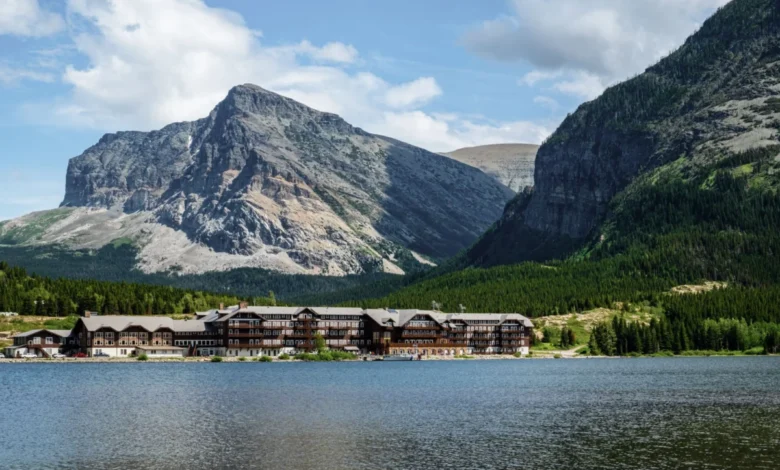
Situated in the rugged northwestern corner of Montana, Whitefish pairs the rustic authenticity of the American West with proximity to one of the nation’s most treasured natural ecosystems: Glacier National Park. This geographic advantage grants visitors immediate access to pristine glacial lakes, dramatic peaks, and millions of acres of protected wilderness.
Whitefish Mountain Resort, located just minutes from downtown, provides exceptional winter sports terrain alongside a robust portfolio of summer activities, including alpine slides and extensive downhill mountain biking courses. Meanwhile, the town’s historic Railway District preserves its early 20th-century character through classic saloon architecture, independent local businesses, and a thriving culinary scene.

The recent opening of properties like Larch House signals a design-forward evolution for Whitefish’s hospitality sector. As the town grapples with the pressures of regional growth and increased tourism—often discussed in the context of broader demographic shifts across the Mountain West—boutique developments aim to provide modern, sophisticated accommodations that respect the architectural heritage of the historic railway hub.
Aspen, Colorado: The Definitive Mountain Metropolis
Originally founded in 1879 as Ute City during a silver mining boom, Aspen has spent more than a century cultivating a reputation as the premier mountain destination in North America. Its enduring appeal lies in a rare combination of awe-inspiring natural geography and high-end urban infrastructure. Surrounded by snow-capped peaks that transition smoothly into world-class hiking trails during the warmer months, Aspen’s compact footprint allows visitors to move effortlessly between demanding alpine slopes and world-class cultural institutions.
In recent decades, Aspen has transcended its traditional identity as a winter playground for skiers and elite travelers. The city has cemented its status as a year-round cultural capital through institutions like the Aspen Art Museum, alongside high-profile food, design, and music festivals that attract an international clientele.

For accommodations that honor this storied legacy, Hotel Jerome—a 135-year-old historic landmark—offers a seamless blend of nineteenth-century frontier architecture and contemporary luxury. Located within walking distance of downtown designer boutiques and offering dedicated transit to the surrounding ski slopes, the property remains a cornerstone of Aspen’s hospitality landscape.
Asheville, North Carolina: The Creative Heart of Appalachia
Shifting eastward to the Blue Ridge Mountains, Asheville, North Carolina, offers a distinct cultural counterpoint to the high-altitude resorts of the Rocky Mountains. Renowned for its bohemian spirit and vibrant arts community, Asheville has long operated as a sanctuary for makers, musicians, and culinary innovators.
As local artisans and small-business owners frequently observe, art functions in Asheville much like music does in New Orleans—it is the foundational pulse of the city. The River Arts District, which spans historical industrial buildings along the French Broad River, houses hundreds of working studios specializing in ceramics, glassblowing, painting, and metalwork.

The city’s resilience was severely tested following the impacts of major regional weather events, including Hurricane Helene. However, local economic data and community initiatives demonstrate a rapid rebound, supported by robust municipal reinvestment and sustained tourism. For visitors seeking to connect with the region’s opulent architectural history, the Inn on Biltmore Estate provides an immersive experience grounded in the legacy of the 19th-century Vanderbilt mansion, paired with contemporary luxury amenities.
Ouray, Colorado: The Outdoor Recreation Capital
Earnestly bearing the title of the "Outdoor Recreation Capital of Colorado," Ouray is dramatically situated at the headwaters of the Uncompahgre River within a steep, picturesque box canyon in the San Juan Mountains. The town’s economy and tourism infrastructure are heavily oriented toward self-guided and guided outdoor exploration.
A prime example of this is the Perimeter Trail, a 6.5-mile loop that hugs the dramatic cliffs surrounding the municipality. Offering views of Cascade Falls, historic mining relics, and deep canyon gorges, the trail system is deliberately integrated with the town layout, allowing hikers to easily transition from wilderness exploration to local dining. To aid recovery after strenuous outdoor exertion, historic hospitality institutions like the Beaumont Hotel and Spa have utilized Ouray’s natural geothermal mineral waters to soothe travelers since the late 19th century.

Salt Lake City, Utah: An Emerging Urban-Outdoor Hub
Salt Lake City represents a unique intersection: a bustling metropolitan center that doubles as a world-class gateway to the Wasatch Range. In recent years, the city has emerged as a premier cultural and culinary destination in the Mountain West. Travelers increasingly visit for its innovative dining scene—ranging from hidden cocktail speakeasies to acclaimed omakase counters—as well as its thriving independent art galleries and boutique retail districts.
Furthermore, Salt Lake City successfully bridges urban culture and quirky regional traditions. Events like the annual Winter Roundup skijoring exhibition, where skiers are pulled through snow-covered streets by horses, and the indie-focused Kilby Block Party music festival draw diverse crowds of culture seekers and outdoor enthusiasts alike. For travelers seeking reliable, central accommodations, properties like the Downtown Hyatt Regency SLC offer modern infrastructure and direct access to the city’s convention centers and commercial corridors.
Telluride, Colorado: Down-to-Earth Sophistication in the San Juans

Located in a breathtaking box canyon in southwest Colorado, Telluride balances a rich mining history with a laid-back, fiercely protected local culture. While winter brings exceptional powder to Telluride Ski Resort, the summer months transform the valley floor into a vibrant landscape of wildflower meadows, punctuated by renowned film, bluegrass, and arts festivals.
Despite attracting affluent homeowners and international visitors, Telluride has successfully resisted over-commercialization, maintaining a tight-knit community feel. At the base of the resort, the Madeline Hotel & Residences, Auberge Resorts Collection, anchors the upscale lodging sector, offering panoramic mountain views, extensive outdoor terraces, and sophisticated alpine amenities designed to complement the rugged landscape.
Jackson Hole, Wyoming: Big Sky Grandeur and Conservation
Jackson Hole occupies an outsized space in the American imagination, serving as a primary gateway to Grand Teton and Yellowstone National Parks. The valley welcomes more than 2.6 million visitors annually—a striking figure given that the entire state of Wyoming has a population under 600,000.

This massive influx underscores Jackson Hole’s status as a premier year-round destination. While generations of mountaineers and backcountry skiers have been drawn to the formidable vertical drop of Jackson Hole Mountain Resort, the area’s culinary and arts offerings have evolved significantly. Luxury properties like the Four Seasons Resort Jackson Hole, situated directly at the base in Teton Village, cater to this high-demand market with ski-in/ski-out access, full-service alpine spas, and comprehensive concierge services.
Silverton, Colorado: A High-Altitude Time Capsule
Resting at a brisk 9,300 feet above sea level in the heart of the San Juan National Forest, Silverton retains a raw, industrial authenticity that sets it apart from more polished Colorado mountain towns. Many of its landmarked Victorian storefronts and unpaved streets cater directly to visitors arriving via the historic, steam-powered Durango & Silverton Narrow Gauge Railroad.
In the warmer months, Silverton functions as a rugged base camp for backcountry hikers, anglers, and mountain bikers exploring the surrounding public lands. When winter arrives, the town transforms into a dedicated mecca for expert backcountry skiers seeking steep, uncontrolled terrain. Historic properties like The Bent Elbow Hotel provide visitors with a direct connection to the Victorian architectural era, balanced with modern comforts such as digital streaming and white noise insulation to ensure a restful stay at high altitude.

Townsend, Tennessee: The Peaceful Side of the Smokies
Rounding out the spectrum of American mountain destinations, Townsend, Tennessee, offers a tranquil alternative to the bustling commercial corridors surrounding Great Smoky Mountains National Park. Known locally as the "peaceful side of the Smokies," Townsend emphasizes natural conservation, river recreation, and quiet Appalachian heritage.
The town provides direct access to renowned natural landmarks such as Meigs Falls and Spruce Flats Falls, alongside world-class fly fishing along the Little River, facilitated by outfitters such as Little River Outfitters. Culinary experiences like the Dancing Bear Appalachian Bistro highlight regional flavors through seasonal ingredients. For travelers seeking premier accommodations nearby, the sprawling 4,000-acre Blackberry Farm in nearby Walland represents the pinnacle of luxury hospitality in the American South, featuring James Beard Award-winning dining at establishments like The Barn.
Economic and Environmental Implications of Mountain Tourism

The rapid growth and sustained popularity of America’s mountain cities present both significant economic opportunities and complex environmental challenges. Municipal leaders, conservationists, and tourism boards are increasingly tasked with balancing the influx of capital and visitors with the imperative of resource management.
Climate change remains a pressing concern for winter-dependent destinations, prompting ski resorts and local governments to invest heavily in year-round tourism diversification. Initiatives focusing on renewable energy, water conservation, and affordable housing for local workforce populations are becoming standard components of long-term municipal planning across the Rockies, the Wasatch, and the Appalachians.
Ultimately, the enduring appeal of America’s mountain cities lies in their ability to honor their historical roots while adapting to the evolving demands of modern travelers. Whether visitors arrive to conquer steep powder fields, explore rich cultural and arts districts, or seek quiet refuge in deep national forests, these mountain hubs remain vital pillars of the nation’s travel and recreation landscape.