Mastering the Mind: How Ancient Stoic Philosophy Offers a Modern Antidote to Workplace and Everyday Rage

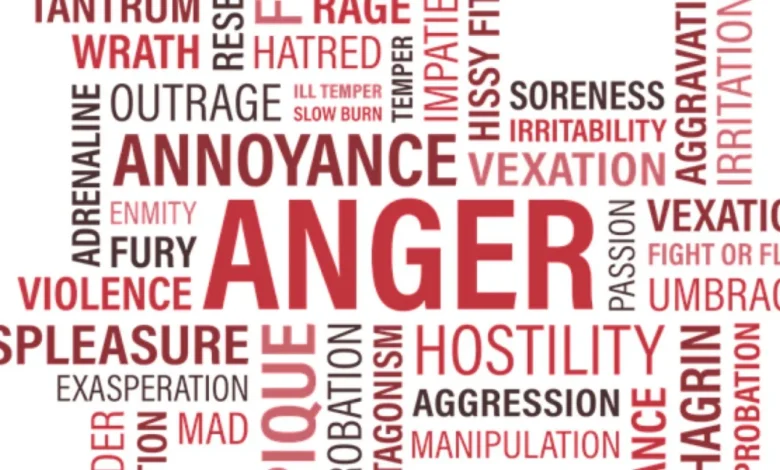
In an era defined by high-stress environments, rapid-fire digital communication, and chronic societal polarization, the management of human emotion has emerged as a critical public health and professional concern. Uncontrolled anger frequently serves as the catalyst for aggressive behavior, fractured relationships, and protracted conflicts across domestic and corporate spheres. While popular intuition often frames anger as a functional evolutionary tool—a mechanism designed to highlight injustices, signal grievances, or motivate corrective action—contemporary psychological research and ancient philosophical frameworks increasingly point to a different conclusion. Acting out of unmitigated anger rarely resolves underlying disputes; instead, it tends to exacerbate tensions, impair cognitive processing, and drive impulsive decision-making that yields counterproductive outcomes.
Examining the mechanics of human provocation reveals that responding assertively rather than aggressively allows individuals to address perceived unfairness without sacrificing emotional equilibrium. To better understand how modern society can navigate emotional reactivity, behavioral scientists and mental health professionals are looking backward, reviving the practical psychological insights left behind by ancient Stoic philosophers. These classical doctrines, formulated more than two millennia ago, provide a surprisingly robust blueprint for defusing interpersonal conflict in the twenty-first century.
The Evolutionary Paradox of Rage: Why Anger Fails as a Problem-Solving Tool
Human physiology is fundamentally wired for immediate self-preservation. When faced with an environmental threat, a perceived insult, or a sudden injustice, the sympathetic nervous system activates the classic "fight-or-flight" response. Adrenaline surges, cortisol levels rise, and blood flow shifts toward major muscle groups, preparing the body for physical confrontation or rapid escape. This primitive mechanism served our ancestors well in ancestral survival scenarios involving physical predators or hostile tribal encounters.
However, in modern civil interactions—such as a dispute over a business contract, a traffic disagreement, or an abrasive encounter on public transit—this biological reflex is frequently misapplied. The prefrontal cortex, the seat of rational analysis, long-term planning, and impulse control, is temporarily bypassed by the amygdala, the brain’s emotional processing center. This neurological hijacking explains why individuals often become "hot under the collar" before they have time to evaluate the proportionality of the threat.
Psychological data consistently demonstrate that reactive aggression clouds judgment, narrowing an individual’s focus to immediate retaliation rather than constructive resolution. Rather than extinguishing the metaphorical fire of a dispute, anger acts as fuel, escalating minor disagreements into major crises. Experts in conflict resolution emphasize that standing up for one’s rights or correcting a legitimate grievance does not require hostility. Assertiveness—defined as clear, calm, and firm communication of boundaries—achieves desired outcomes far more effectively than aggressive outbursts, preserving both personal dignity and professional rapport.
Anger as an Internal Choice: Reclaiming Cognitive Agency
A foundational principle of Stoic philosophy is the rejection of the idea that external events unilaterally dictate internal emotional states. As the renowned Stoic sage Epictetus observed, if someone succeeds in provoking an individual, the individual’s own mind is complicit in that provocation. Modern linguistic habits often obscure this reality; people routinely claim they were "overcome" by anger, outsourcing responsibility to external stimuli as though rage possessed an autonomous will.
Stoic epistemology insists that anger is a cognitive choice, albeit frequently an unexamined or irrational one. The brief window between an external provocation and an internal reaction represents a critical cognitive gap. During this interval, the human brain can permit the rational faculties to intervene.
Consider a common urban scenario: a commuter is jostled while exiting a crowded bus and, instead of receiving an apology, is met with verbal hostility. The immediate physiological reaction—a surge of heat, a spike in heart rate, a rush of indignation—is automatic. However, the subsequent behavioral choice is not. The individual can choose to escalate the conflict with profanities or aggressive gestures, or they can engage their rational brain, letting cooler heads prevail. By recognizing that the initial surge of emotion is merely a biological impulse rather than a command to act, individuals retain their autonomy.
Calibrating Expectations: Anticipating Difficult Human Behavior
Friction in daily life is largely driven by unmet expectations regarding the behavior of others. People are frequently perceived as annoying, unfair, selfish, inconsiderate, or dishonest. Yet humanity remains remarkably dependent on these flawed actors for social connection, economic commerce, and community survival.
Marcus Aurelius, who governed the Roman Empire during the second century CE while practicing Stoic philosophy, famously recorded a daily mental exercise designed to inoculate himself against interpersonal disappointment. In his private journals, later published as Meditations, Aurelius wrote that upon waking, he would remind himself that the people he would encounter that day would likely be meddling, ungrateful, arrogant, dishonest, jealous, and surly. By consciously lowering his expectations of human perfection, Aurelius ensured that the misbehavior of others could not inflict emotional injury upon him.
This historical precedent offers a vital lesson for contemporary professionals and leaders. If the Emperor of Rome, wielding absolute political authority, could not coerce his contemporaries into universal kindness and cooperation, ordinary citizens can hardly expect frictionless interactions in their daily lives. Accepting human fallibility as a baseline condition prevents chronic frustration and preserves emotional capital.
The Architecture of Emotional Self-Defense: Taking Ownership of Reactions
The core mechanism of emotional regulation lies in understanding personal boundaries. When individuals allow the opinions, insults, or poor behavior of others to dictate their self-esteem and emotional state, they effectively open their psychological pores to infection.
Contemporary emotional intelligence frameworks echo the ancient premise that no one can cause an individual to feel a specific emotion without their tacit permission. While individuals cannot control the external actions of dishonest business partners, unruly colleagues, or abrasive strangers, they maintain absolute sovereignty over their internal interpretation of those events.
This dynamic underpins the legal and ethical principle of redress. When wronged in a business transaction or a personal relationship, an individual possesses every right to seek formal remediation, legal justice, or systemic reform. However, the emotional torment associated with the grievance—the rumination, the bitterness, the desire for vengeance—is entirely optional. As William Shakespeare observed through the character of Hamlet, "there is nothing either good or bad, but thinking makes it so." By reframing a hostile act not as a personal catastrophe, but as the misguided action of a flawed actor operating according to their own internal logic, individuals neutralize the sting of the provocation.
Implementing Temporal Interventions: The Power of the Pause
Translating Stoic philosophy into actionable daily habits requires practical tools for interrupting the neurological momentum of anger. Among the most historically validated techniques is the deliberate introduction of time delays between stimulus and response.
American statesman Thomas Jefferson famously advised citizens struggling with anger to count to ten before speaking, and up to one hundred if the provocation was severe. This behavioral strategy mirrors the advice of the Roman Stoic Seneca, who wrote extensively on the subject of wrath. Seneca asserted that the single greatest remedy for anger is delay, noting that time naturally erodes the acute momentum of a hostile impulse.
In modern organizational settings, putting the delay principle into practice involves structured protocols:
- Verbal Notification: Explicitly informing the interacting party that a momentary pause is required ("I need a brief moment to process this before we continue").
- Physical Withdrawal: Stepping away from the immediate environment to allow sympathetic nervous system arousal to subside.
- Cognitive Reappraisal: Returning to the dialogue after the prefrontal cortex has regained control, allowing for a balanced response that integrates both parties’ perspectives.
While this structured delay may not guarantee immediate consensus or conflict resolution, it ensures that all parties feel heard while preventing the conversation from devolving into destructive antagonism.
Strategic Humor and Perspective: Disarming Hostility Through Levity
Beyond temporal delays, contemporary interpretations of Stoic philosophy highlight the utility of humor as a cognitive shield. Modern philosophers, such as William Irvine, suggest that responding to an insult with genuine amusement drains the hostility of its power.
When an individual chooses to laugh off a provocation—treating it as an interesting puzzle to be solved rather than a personal assault—the power dynamic shifts immediately. Maintaining composure while surrounding individuals lose their emotional footing projects quiet strength, leadership, and emotional regulation. In both high-stakes boardrooms and routine interpersonal exchanges, this deliberate cultivation of calm provides a formidable defense against the corrosive impacts of avoidable conflict.
Related posts: