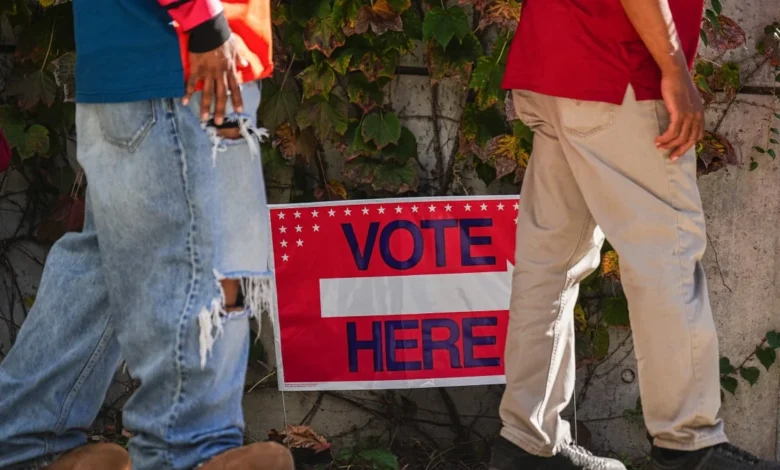
As the United States barrels through another high-stakes election cycle, the sheer volume of political outreach has reached unprecedented levels. By the time the final ballots are cast and counted in this year’s midterm elections, Americans will have been inundated with an estimated 60 billion political text messages. On average, a single voter will have read roughly 170 individual text messages, while political campaigns, super PACs, and advocacy groups are projected to spend more than $11 billion on campaign advertising.
While the staggering financial investments and the relentless pinging of smartphones are familiar annoyances to most citizens, cybersecurity experts warn that the digital noise serves a darker, more insidious purpose. The sheer volume of legitimate political communication creates a smokescreen that allows cybercriminals, foreign actors, and financial fraudsters to easily blend in.
According to Ron Kerbs, CEO of the artificial intelligence fraud prevention company Kidas, fraudulent outreach no longer stands out against the backdrop of normal campaign activity. When voters are accustomed to receiving dozens of texts and calls daily from various political entities, they lower their guard, making them exceptionally vulnerable to sophisticated scams designed to steal money, harvest personal data, or undermine public trust in the democratic process.
The Evolution of Election Scams: From Simple Phishing to AI Voice Cloning
Election-related fraud is not a novel phenomenon; historically, bad actors have exploited voter confusion during campaign seasons to solicit fraudulent donations or peddle unfulfilled merchandise. However, the rapid advancement and accessibility of generative artificial intelligence have radically transformed the threat landscape.
In the past, spotting a scam was often straightforward. Traditional text message phishing campaigns typically featured glaring grammatical errors, suspicious URLs, or foreign country codes. Similarly, prerecorded robocalls usually relied on robotic, synthesized voices that immediately tipped off recipients.
Today, those traditional guardrails are disappearing. Armed with publicly available data, audio recordings, and campaign speeches, scammers can leverage AI tools to generate hyper-realistic voice clones of prominent political figures, candidates, and elected officials. When combined with advanced caller ID spoofing—a technique that makes a phone call appear to originate from a legitimate political organization or government office—the resulting fraud is remarkably difficult to detect.
The threat of AI-generated audio in politics moved from theory to reality during the 2024 presidential primary cycle. In an incident that shocked election security experts and lawmakers alike, thousands of New Hampshire voters received an AI-generated robocall featuring a voice indistinguishable from then-President Joe Biden. The fake audio recording urged recipients to stay home rather than participate in the primary election, explicitly telling them to "save your vote for the November election."
The incident served as a watershed moment for regulatory agencies and law enforcement, laying bare the vulnerability of America’s communication infrastructure to generative AI. In response to the New Hampshire robocall scandal, the Federal Communications Commission (FCC) launched an aggressive federal crackdown on junk calls. The agency formally expanded the Telephone Consumer Protection Act, classifying AI-generated voices in robocalls as artificial or prerecorded under the law, thereby effectively banning unsolicited AI robocalls nationwide.
The Regulatory Loophole: Why Do Not Call Lists Fall Short
A common misconception among American voters is that registering their phone numbers on the national Do Not Call registry will shield them from election-related outreach. Unfortunately, federal telemarketing laws contain explicit exemptions for political communications.
The official Do Not Call registry, managed by the Federal Trade Commission (FTC), is designed to block commercial telemarketers. It does not apply to political campaigns, pollsters, charities, or non-profit organizations exercising their protected forms of communication. Consequently, political entities are legally permitted to contact voters whose numbers are otherwise protected from commercial sales pitches.
While political campaigns are still bound by strict federal regulations regarding automated and prerecorded calls—including requirements to obtain prior consent for certain types of messaging—the very existence of these broad political exemptions creates widespread confusion. Voters are often left struggling to determine whether a caller is a legitimate campaign volunteer conducting a poll or a malicious scammer attempting to perpetrate identity theft.
FBI Warnings and Common Tactics Used by Election Fraudsters
Federal law enforcement agencies have repeatedly sounded the alarm regarding election-related fraud. A public service announcement issued by the FBI’s Internet Crime Complaint Center (IC3) highlights a disturbing surge in midterm-related scams. According to the bureau, fraudsters routinely misappropriate the names, likenesses, official images, campaign logos, and slogans of real candidates to perpetrate several distinct categories of fraud.
The FBI outlines three primary ways bad actors exploit the election season:
- Fraudulent Campaign Contributions: Scammers set up lookalike websites, fake donation portals, and phishing links designed to trick well-meaning citizens into donating money to non-existent campaigns or fraudulent political action committees.
- Merchandise Scams: Bad actors hawk campaign-related merchandise—such as hats, shirts, and commemorative items—via social media advertisements and emails, pocketing the cash and never delivering the goods.
- Personally Identifiable Information (PII) Harvesting: Phishing campaigns lure voters in with promises of exclusive polls, insider information, or voter registration updates, only to harvest sensitive personal data like Social Security numbers, driver’s license details, and banking information.
Security analysts emphasize that the motivations driving these bad actors vary widely. Some are garden-variety financial criminals seeking a quick payout or identity data to sell on the dark web. Others, however, may be motivated by geopolitical objectives, seeking to sow chaos, suppress voter turnout, or undermine confidence in election integrity.
Recognizing the Red Flags of Political and Electoral Fraud
Because modern AI tools allow scammers to mimic trusted voices and spoof official phone numbers, relying solely on caller ID or vocal familiarity is no longer a viable defense strategy. Security experts advise that voters must look past the medium and scrutinize the behavior and demands of the person contacting them.
The most universal and reliable red flag of any scam is a manufactured sense of urgency. Fraudsters frequently attempt to bypass critical thinking by creating a crisis. If a caller or texter claims that a voter’s registration is about to expire, that a ballot has been rejected and needs immediate verification, or that urgent action is required to avoid losing voting rights, recipients should immediately terminate the communication.
Furthermore, legitimate government agencies and political campaigns adhere to strict operational boundaries. Official election offices and campaigns will never:
- Request money, wire transfers, or payments via gift cards, cryptocurrency, or peer-to-peer payment applications over the phone.
- Ask for a voter’s Social Security number, full bank account details, or digital verification codes.
- Offer to update a voter’s official registration status over the phone in exchange for sensitive information or fees.
Registering to vote and updating voter registration statuses are entirely free processes. Citizens wishing to verify their registration status or make changes should bypass phone calls and text messages entirely, navigating directly to official state or local election board websites.
Best Practices for Protecting Yourself Against Election Scams
As the technological sophistication of fraud continues to evolve, cybersecurity professionals advocate for a proactive, defensive posture among the general public. Protecting personal data and financial assets during a major election cycle requires adopting several fundamental digital hygiene habits:
- Let Unknown Calls Go to Voicemail: If an incoming call is from an unrecognized number, do not answer it. Legitimate campaigns and election officials will generally leave a detailed message or can be reached through verified public channels.
- Never Click Unsolicited Links: Avoid clicking hyperlinks contained in text messages or emails related to elections, even if the sender ID appears to match a known political figure or organization. Instead, navigate to official campaign portals manually.
- Verify Through Independent Channels: If a call or text appears to come from a specific candidate, party, or election office, hang up and use a trusted, independently verified phone number or website to confirm the validity of the outreach.
- Guard Personal Information Jealously: Never provide sensitive details—such as driver’s license numbers, birthdates, or financial information—over the phone to individuals claiming to represent political campaigns or election administrative offices. Even seemingly innocuous details can be weaponized by bad actors when cross-referenced with pre-existing data leaks.
- Scrutinize the Conversation, Not Just the Caller ID: Remember that spoofed phone numbers and cloned voices can make fraudulent communications appear entirely authentic. Evaluate the core request being made and ask whether the interaction exhibits hallmarks of pressure or deception.
Ultimately, the confluence of record-breaking campaign spending, massive volumes of mobile outreach, and accessible artificial intelligence has created an exceptionally challenging environment for voters. By maintaining a healthy skepticism, recognizing the primary red flags of fraud, and utilizing official, verified resources for political engagement, Americans can successfully navigate the election season while safeguarding their personal security and financial well-being.
Related posts: