Google Search Evolution: How AI-Driven Conversational Trends Are Shaping the Future of Digital Advertising

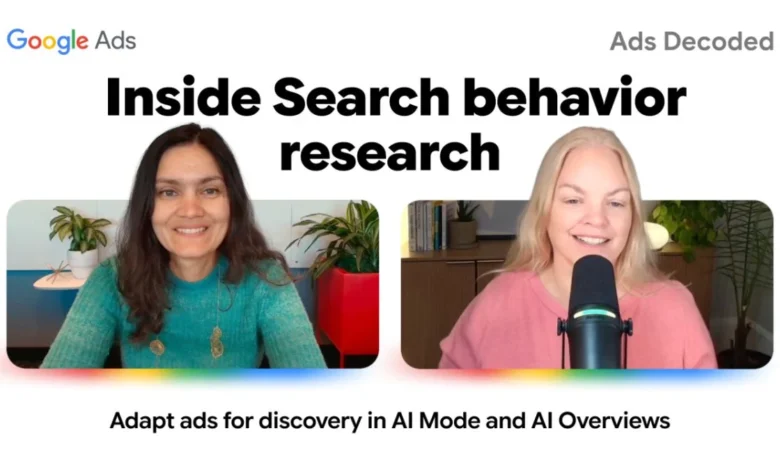
The landscape of online information retrieval is undergoing a fundamental transformation as Google’s AI-powered search features move from experimental integration to a core component of the user experience. According to insights shared during the October 28 episode of the Google Ads Decoded podcast, consumers are increasingly utilizing search as an exploratory, conversational tool, leading to a marked increase in the length and complexity of search queries. This behavioral shift, highlighted by Google Ads Product Liaison Ginny Marvin and Vice President of Search Data Science and User Experience Research Shivani Mohan, signals a transition from simple keyword-based discovery to a multifaceted research process that often happens entirely within the search environment.
For digital marketers and advertisers looking toward their 2027 strategic planning, these findings offer a blueprint for how to adapt to a search ecosystem that prioritizes depth, nuance, and human-centric perspectives over static, transactional queries.
The Shift Toward Conversational Complexity
Data presented by Google indicates that users are now inputting queries that are, on average, three times longer than traditional search strings. This development is not merely a change in typing habits; it reflects a deeper integration of AI-assisted search into the decision-making process. By leveraging voice, text, and image inputs, users are now able to inject personal context and specific requirements into their initial inquiries.
Historically, search behavior was defined by "short-tail" keywords—brief, high-intent phrases that led users directly to a product or service page. Today, the "conversational" nature of Google’s AI Mode allows for a back-and-forth dialogue. A user may begin by describing a general problem, receive an AI-generated synthesis of options, and then refine their search with follow-up questions regarding specific trade-offs or constraints. This exploratory phase allows consumers to conduct extensive research before ever clicking on an organic or paid link.
Chronology of AI Integration in Google Search
The trajectory of these changes can be traced back to the broader rollout of generative AI within Google’s infrastructure.
- May 2026: Google published a comprehensive U.S. AI Mode report, which provided the foundational data for the current discussion. The report identified that over 16% of AI-powered searches in the United States involve multimodal queries, suggesting that the integration of image and text is now a standard user behavior.
- Late 2026: Throughout the latter half of the year, industry analysts observed a shift in search volume from traditional SERPs (Search Engine Results Pages) toward integrated AI summaries.
- October 2024: The Google Ads Decoded episode served as a formal communication point for Google to synthesize these findings for the advertising community. This served as a catalyst for brands to begin re-evaluating their content strategies ahead of the 2027 fiscal year.
The Duality of AI Summaries and Human Authority
While Google’s AI is adept at summarizing large volumes of data, internal research from the company’s User Experience team highlights a persistent human desire for "lived experience." Shivani Mohan noted that while users appreciate the efficiency of AI-generated summaries, there is a clear, ongoing demand for the "earned authority" that can only be found on the open web.
This creates a paradox for content creators: they must remain visible to AI crawlers while simultaneously producing content that satisfies the human reader’s need for authenticity. According to Mohan, users are actively navigating away from AI summaries to visit forums, podcasts, and video platforms where they can observe real-world product usage. For advertisers, this means that simple product descriptions are no longer sufficient. To capture this traffic, brands must provide detailed reviews, comparative analyses, and demonstrations that address the "what if" scenarios that AI summaries might overlook.
Implications for Paid Search Strategy
The transition toward longer, more descriptive queries necessitates a pivot in how paid search campaigns are managed. Traditional strategies that rely on exact-match keyword bidding may find themselves outpaced by the broader, exploratory nature of AI-assisted discovery.
1. Beyond the Click: Understanding Intent
Because users are now exploring problems and solutions within a single session, the "initial search phrase" has become a less reliable indicator of immediate conversion intent. Advertisers must now consider the full lifecycle of the search journey. The questions a user asks after their initial query—the follow-up "narrowing" phase—often reveal specific pain points or competitive concerns that a standard landing page might not address.
2. Enhancing Content Relevance
If a user is asking complex, multi-part questions, their expectation for the landing page is equally high. If an ad leads to a page that merely repeats the product description without offering depth or firsthand experience, the user is likely to bounce. Advertisers should audit their current content to ensure it answers the questions that arise during the evaluation phase, such as long-term durability, comparative trade-offs, and real-world limitations.
3. Multimodal Advertising Readiness
With nearly one in six searches now utilizing multimodal inputs (voice or image), the creative assets used in ads must evolve. Static images are no longer the ceiling; video content that provides a clear, objective demonstration of a product in use has become a critical asset for capturing the attention of the modern, research-heavy searcher.
The Need for New Measurement Benchmarks
A notable gap in the current data is the lack of conversion benchmarks linked to these longer, conversational queries. While Google has provided qualitative insights into how behavior is changing, they have yet to offer quantitative data on how this translates to Return on Ad Spend (ROAS) or conversion rates.
Industry experts, including those who engaged with Ginny Marvin on social media following the podcast, have raised valid concerns regarding how to interpret these shifts. For retail teams, the primary challenge remains: how does one differentiate between a "browsing" intent and an "impulse buy" when the search query itself is a 15-word question?
For 2027 planning, advertisers are advised to treat the current period as an experimental phase. By testing various content formats—such as long-form expert reviews, video testimonials, and detailed FAQ sections—brands can begin to collect their own internal data on what effectively bridges the gap between AI discovery and a final purchase.
Broader Market Impact
The evolution of Google Search reflects a broader trend in the tech industry toward the "answer engine" model. By synthesizing information from across the web, search platforms are reducing the need for users to perform multiple searches to find a single answer. However, this shift places a premium on brands that can position themselves as the definitive authority on a subject.
The "billions of clicks to the open web" mentioned by Google indicate that the ecosystem remains vital, but the nature of that traffic is changing. It is no longer just about volume; it is about the quality of the destination. Websites that act as hubs for expert commentary and transparent, honest assessments are likely to see the highest value from this traffic, while those that offer only thin, sales-oriented content may see their relevance decline.
Conclusion: Preparing for 2027
As we look toward 2027, the primary takeaway for the advertising industry is the necessity of adaptability. The shift toward conversational search is not a temporary trend but a fundamental change in how humans interact with the internet. Advertisers who move away from rigid, keyword-stuffed strategies and toward a model of providing comprehensive, authoritative, and human-verified content will be best positioned to succeed.
The next two years will likely see a surge in demand for high-quality, long-form content that can serve as the "lived experience" fodder for AI search models. Brands that prioritize this depth will not only satisfy the AI algorithms that drive traffic but, more importantly, will build the trust required to convert the increasingly sophisticated and discerning modern consumer.