Diving into the Abyss: How the SEA STAR Mission Pushed the Boundaries of Analog Space Exploration

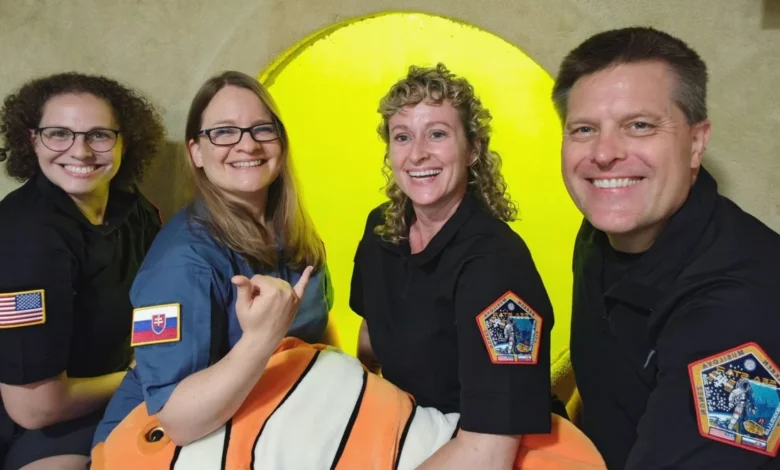
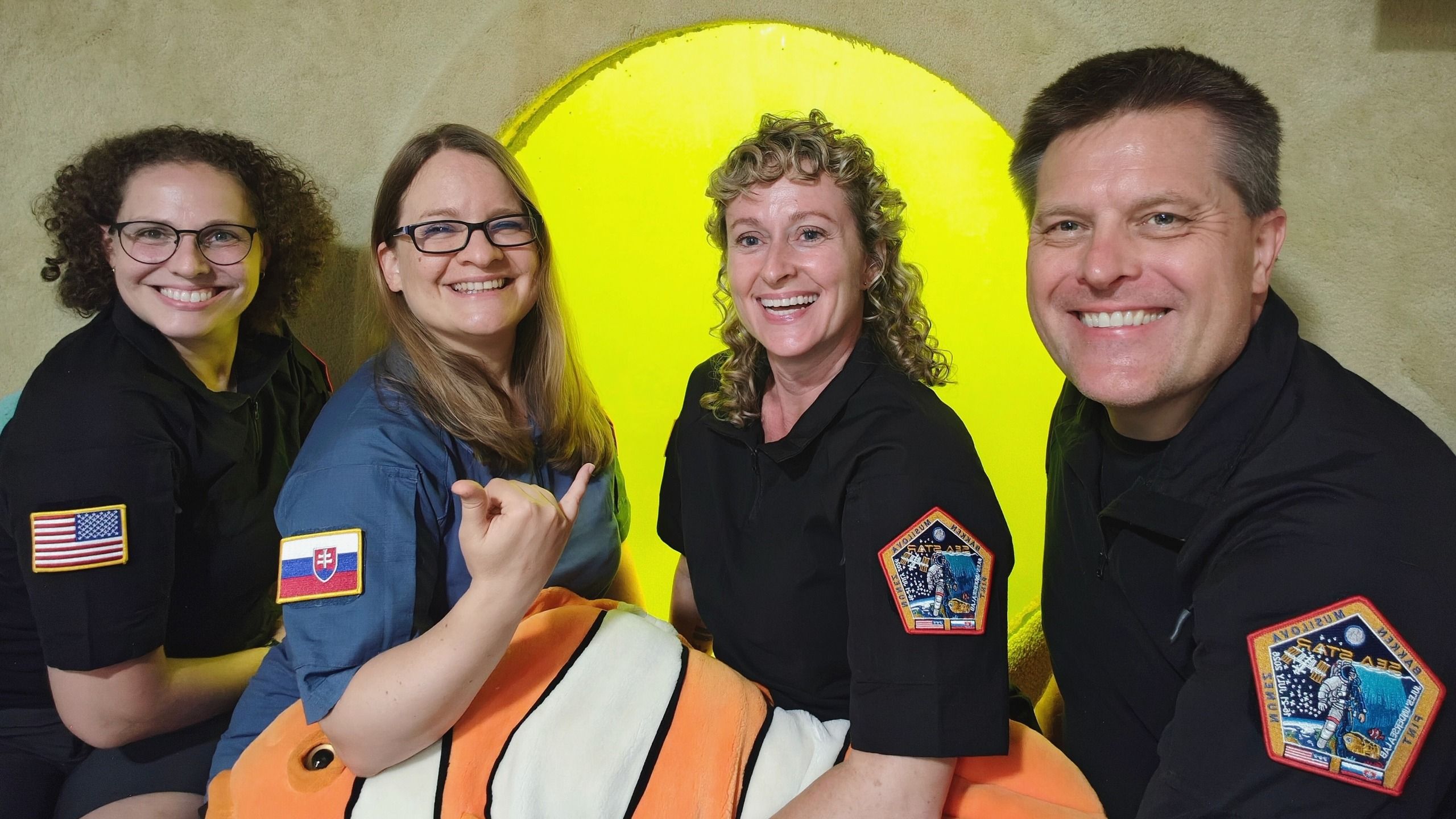
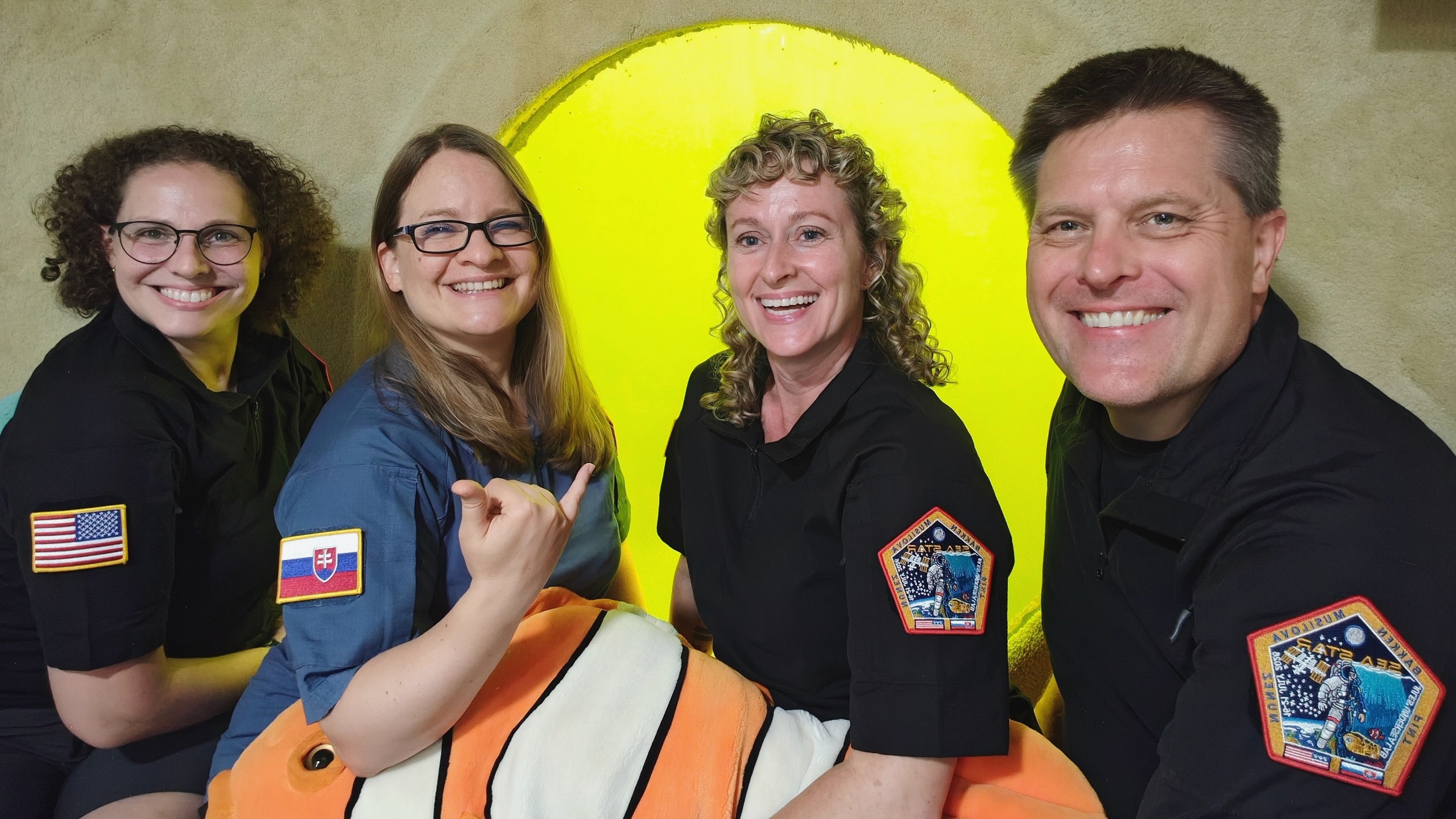
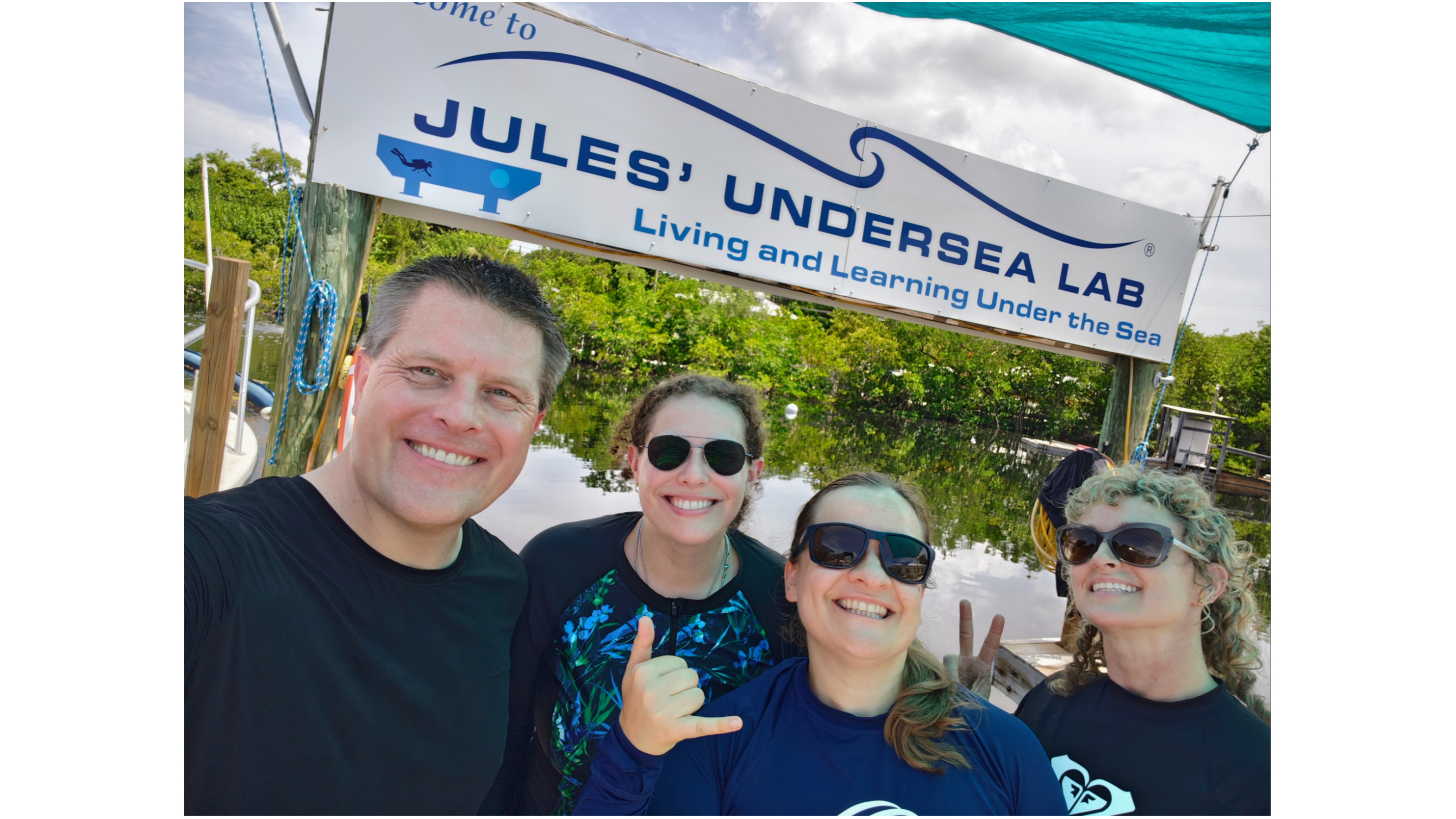
The SEA STAR mission recently concluded a landmark five-day underwater expedition, marking a significant milestone in analog space research. Conducted at the Jules’ Undersea Lab, a specialized facility located 22 feet (6.7 meters) beneath the surface near Key Largo, Florida, the project saw a four-person crew successfully transition into the status of aquanauts. By remaining submerged in a state of saturation for over 24 hours, the team effectively simulated the isolation, high-stakes environmental hazards, and complex operational requirements that future astronauts will face during long-term missions to the Moon and Mars. Led by renowned astrobiologist Dr. Michaela Musilova, the mission serves as a critical testbed for understanding how human teams function under extreme pressure and environmental confinement.
The Science of Saturation and Analog Missions
The concept of an "analog mission" involves replicating the environmental, psychological, and operational challenges of space exploration on Earth. While many such missions occur in desert environments or remote terrestrial outposts, underwater habitats provide a uniquely hazardous and high-fidelity simulation. Unlike land-based analogues, an underwater station like Jules’ Undersea Lab requires constant, rigorous adherence to safety protocols, as the surrounding water creates a "deadly environment" where a simple equipment failure or breach in safety procedure could result in catastrophic consequences.
Saturation, the state achieved by the SEA STAR crew, occurs when the human body is exposed to a high-pressure environment long enough for the tissues to become fully saturated with inert gases at that pressure. Once this state is reached, the body cannot safely return to surface pressure without a carefully controlled decompression process. This mirrors the physiological and psychological stressors of space flight, where the environment is inherently hostile to human life and the ability to "abort" or leave is severely limited.
Chronology of the SEA STAR Expedition
The journey to the seafloor began more than a year before the team officially submerged. Dr. Musilova, who has commanded nearly 40 simulated space missions globally, spearheaded the project, focusing on the rigorous selection of crew members who possessed both technical proficiency and the ability to maintain composure in high-stress scenarios.
- Pre-Mission Phase (12 Months Prior): The team focused on project acquisition, securing funding, and refining research goals that would translate into actionable data for space agencies.
- Logistical Integration (6 Months Prior): The crew, including Executive Officer Paul Bakken, Health and Safety Officer Dr. Brandy Nunez, and Mission Specialist Jenn Pint, conducted comprehensive safety training and mission rehearsals.
- Deployment Phase: Upon arrival at Key Largo, the team utilized the Jules’ Undersea Lab as both a habitat and a laboratory. The mission was supported by a land-based command center, which mirrored the role of mission control during actual space flight.
- Execution (5 Days): The crew lived, worked, and conducted "spacewalks" (underwater extravehicular activities) to test neutral buoyancy and equipment durability.
- Recovery: The mission concluded with a successful ascent and debriefing, where data regarding crew interaction and cognitive performance under pressure were collected for longitudinal analysis.
Supporting Data and Research Objectives
The SEA STAR mission was not merely an endurance test; it was a research-driven endeavor designed to produce tangible data. The experiments performed during the five-day window focused on several critical areas of human spaceflight:
- Cognitive Performance Under Pressure: Researchers monitored the team’s decision-making capabilities and stress responses in a high-pressure environment. This data is vital for designing future long-duration missions to Mars, where communication delays make autonomous team decision-making essential.
- Environmental Taxonomy: Working in collaboration with Interstellar Performance Labs, Mission Specialist Jenn Pint developed a new taxonomy for analyzing how human crews interact with complex technological and environmental factors. This project aims to create a standardized framework for documenting "human-in-the-loop" errors in space analogs.
- Sustainable Life Support: Dr. Brandy Nunez conducted microgreens research, exploring the viability of onboard food production in confined, high-humidity, and high-pressure settings.
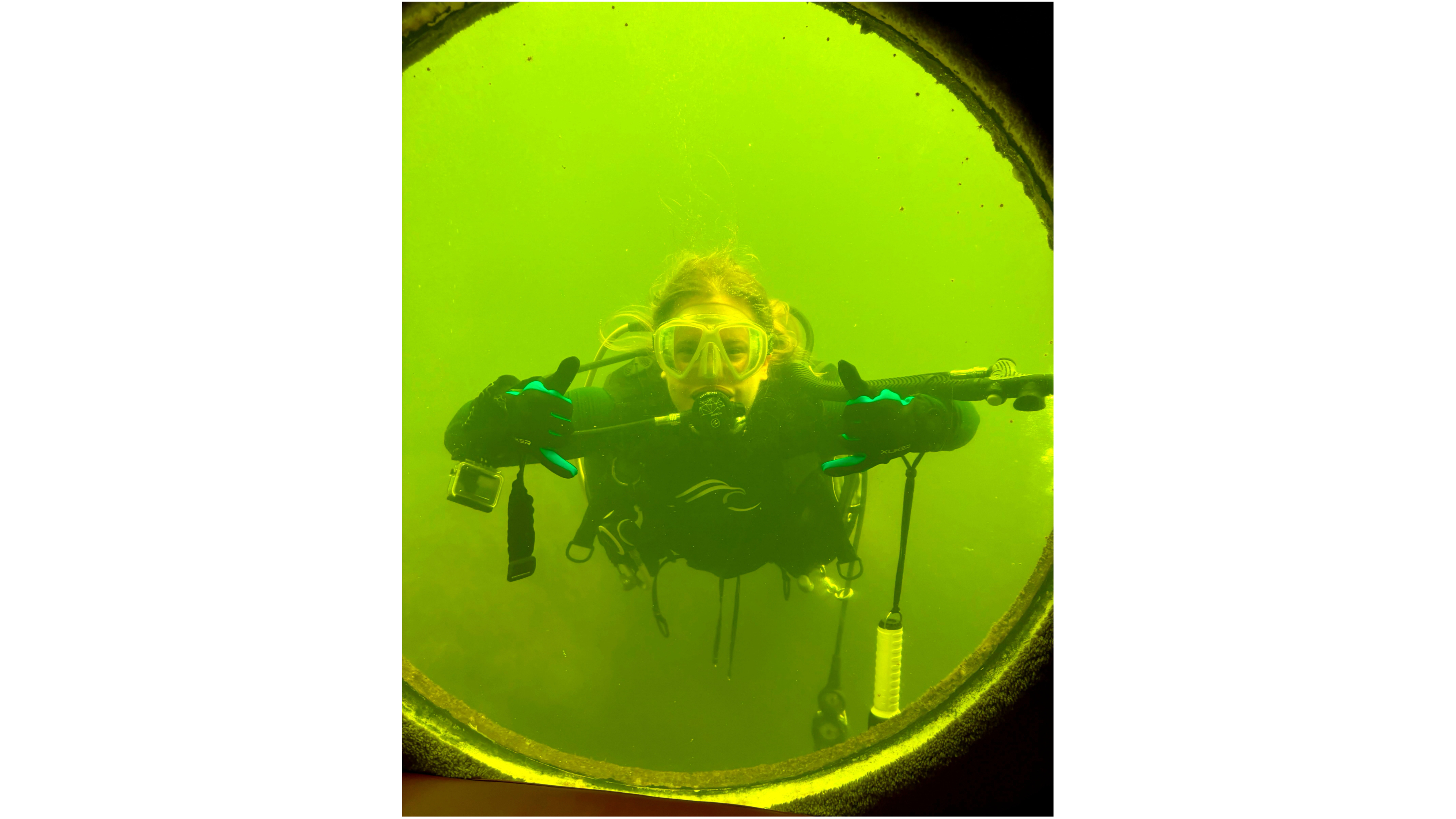
- Neutral Buoyancy Simulations: The team utilized the underwater environment to simulate the weightlessness of space, allowing them to practice maintenance and repair tasks that are standard procedures for International Space Station (ISS) crews.
The Role of Leadership in Extreme Environments
Commanding an underwater mission requires a specific set of leadership competencies. Dr. Musilova’s role extended beyond administrative management; she was responsible for the psychological health and cohesion of the crew. In an environment where the crew cannot simply step outside for a walk, internal dynamics can degrade quickly. By implementing strict schedules and maintaining a culture of collaborative problem-solving, the commander ensured that the crew remained focused on their primary objectives despite the inherent dangers.
"The nervous voices in my head made themselves heard a couple of times while I entered the water," Musilova noted, highlighting the psychological hurdle even an experienced commander must overcome. By acknowledging these risks and relying on the team’s training, the SEA STAR crew managed to navigate technical challenges and schedule adjustments, mirroring the adaptive nature of professional astronauts.
Implications for Future Space Exploration
The implications of the SEA STAR mission are broad and reach into the future of human space flight. As NASA and international partners look toward the Artemis program—which aims to return humans to the lunar surface—and subsequent crewed missions to Mars, the need for data on small-group dynamics in isolation is paramount.
The successful completion of this mission proves that underwater analogs remain one of the most effective ways to train for the "unknowns" of space. Unlike digital simulations, the physical reality of water provides a sensory and physiological experience that cannot be replicated by software. Future iterations of such missions are expected to integrate more advanced biometric sensors, allowing researchers to map the physiological decline or resilience of astronauts in real-time.
Furthermore, the collaboration between civilian researchers and organizations like Interstellar Performance Labs signals a shift toward a more privatized, yet rigorous, approach to space analog research. By diversifying the types of environments in which these simulations occur, the scientific community is building a robust database that will eventually underpin the safety protocols for the next generation of space explorers.
Conclusion
The SEA STAR mission successfully bridged the gap between terrestrial research and the harsh realities of space. By surviving and thriving for five days in the underwater habitat, the crew not only gained the title of "aquanauts" but also contributed to a growing body of knowledge that will safeguard future explorers. As human presence in the solar system transitions from short-term visits to long-term residency, the lessons learned in the quiet, pressurized depths of the Florida coast will undoubtedly echo in the halls of the next generation of lunar and Martian colonies.