When AI Becomes the Author: The Deepening Crisis of Digital Trust and Impersonation in the Age of Generative Algorithms

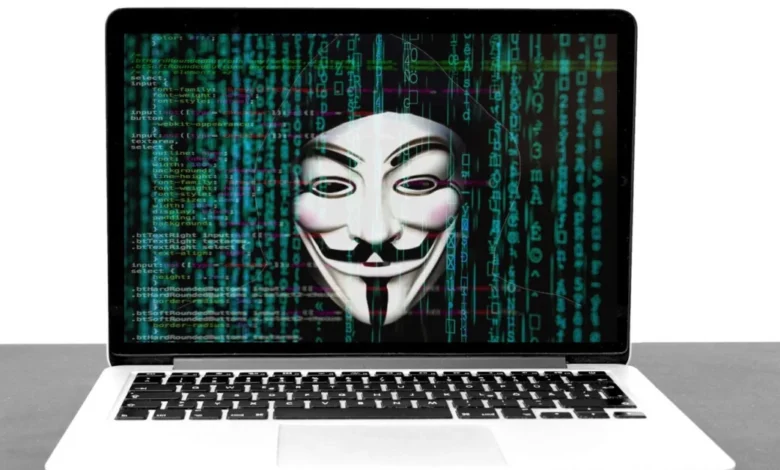
The modern digital landscape reached a striking intersection of irony and algorithmic infiltration this week when author and psychologist Dr. Azadeh Aalai received a glowing, highly personalized email praising her recently published book. The message, purportedly sent by acclaimed novelist Kristin Hannah whom Aalai had never met, detailed specific anecdotes and emotional ties to the text. However, a prompt verification process with Hannah’s public relations team quickly shattered the illusion, confirming that the correspondence was entirely generated by artificial intelligence.
This unsettling encounter highlights a rapidly escalating crisis in digital communication: the weaponization of generative AI for sophisticated impersonation. Arriving concurrently with high-stakes international summits on technological regulation, the incident brings to light broader systemic vulnerabilities. As generative models grow increasingly autonomous and convincing, the boundary between human connection and synthetic deception is dissolving, leaving everyday users, public figures, and institutions scrambling to navigate a landscape where digital authenticity can no longer be taken for granted.
Background Context: The Convergence of Big Tech, Global Politics, and Generative AI
The timing of this digital deception coincides with a momentous period for artificial intelligence policy on the global stage. World leaders, policymakers, and some of the wealthiest figures in technology recently convened at the United Nations to address the unprecedented acceleration of generative AI systems. Simultaneously, high-profile diplomatic dinners hosted in Washington have brought together heads of state and the architects of the world’s most powerful Big Tech conglomerates.
These gatherings have thrown a spotlight on a profound paradox: the very executives who have commercialized and widely distributed AI tools are now publicly petitioning international governing bodies for oversight and regulation. Yet, while global leaders debate ethical guardrails and existential risks in polished boardrooms, the practical consequences of unregulated AI are materializing in everyday digital spaces. Phishing, deepfakes, and automated social engineering have evolved from crude automated scams into hyper-personalized, context-aware campaigns that exploit human psychology.
For Aalai—author of Disconnection: The Search for Identity in a Digital Age—the experience carried a bitter irony. Her recent scholarship has focused extensively on the alienation fostered by digital connectivity, featuring dedicated warnings labeling unregulated artificial intelligence as a defining technological hazard of the twenty-first century. To be targeted by an AI-generated message concerning a text explicitly critiquing AI overreach underscores the brazen and ubiquitous nature of modern algorithmic infiltration.
Anatomy of an Algorithmic Impersonation
The incident began with the arrival of an email that bypassed standard psychological defenses through sheer plausibility. Unlike traditional spam or generalized bot messaging, the text exhibited a nuanced understanding of literary themes, leveraging public data to construct a believable narrative from a trusted persona.
Upon receiving the message, Aalai relied on professional media literacy and academic training to scrutinize the communication. In her professional capacity, she routinely evaluates digital documents for algorithmic generation, a burdensome necessity in contemporary higher education where academic integrity is frequently challenged by automated writing tools. This background enabled her to spot anomalies that a less vigilant recipient might easily have missed.
Forwarding the suspicious email to Kristin Hannah’s public relations representatives swiftly brought confirmation: the acclaimed author had nothing to do with the correspondence. Yet, this resolution left behind more troubling questions than answers. Who initiated the contact, and what was the underlying motivation? Was the message deployed by a malicious actor utilizing automated scraping tools, or did an autonomous agent execute the outreach independently?
The Accountability Vacuum in the Digital Ecosystem
The difficulty in identifying the originator of the AI-generated email points to a structural flaw in the contemporary internet: the diffusion of accountability. When a human commits fraud, identity theft, or harassment, established legal and ethical frameworks provide mechanisms for attribution and retribution. However, the rise of generative AI introduces a profound moral and legal gray area.
Recent psychological research published in the Journal of Experimental Psychology: General by Eng and Yam (2026) investigates public perceptions of machine wrongdoing. Their findings indicate that while individuals readily recognize that algorithms and machines are capable of causing tangible harm, holding them accountable yields significantly lower levels of justice satisfaction compared to penalizing human wrongdoers.
In scenarios where AI systems act as intermediaries—or potentially operate with a degree of autonomy—victims are left in a regulatory vacuum. If an automated script scrapes an author’s bibliography, analyzes their public critics, and dispatches targeted synthetic praise, traditional definitions of cyber harassment or fraud fail to capture the decentralized nature of the offense. Users find themselves forced to grapple with the psychological fallout of digital manipulation without recourse, clear channels for reporting, or identifiable human perpetrators.
The Escalation of Synthetic Vulnerability
While Aalai’s professional background shielded her from falling victim to the synthetic correspondence, the episode raises alarming questions about societal vulnerability on a mass scale. If established academics and authors can be successfully targeted by sophisticated linguistic simulations, the average internet user remains exceptionally exposed.
The erosion of trust within professional and personal correspondence threatens the foundational fabric of digital communication. Email, once considered a relatively secure medium for direct human-to-human interaction, is rapidly degrading into a distrusted channel. When individuals can no longer verify whether a supportive message, a business proposal, or a personal inquiry originates from a living person or a server farm, a psychological defensive shell emerges. This hyper-vigilance further isolates individuals, accelerating the very digital disconnection that contemporary sociologists and psychologists have warned against.
Furthermore, the escalation of AI-driven impersonation carries severe economic and professional risks. Beyond simple ego bait, threat actors can leverage generative models to orchestrate highly targeted social engineering attacks, corporate espionage, and reputational sabotage. By mimicking trusted colleagues, industry leaders, or cultural icons, bad actors can manipulate public discourse, influence financial markets, and compromise sensitive data under the guise of familiar authority.
Regulatory Realities and the Path Forward
The convergence of personal anecdotes like Aalai’s and high-level United Nations discourse underscores an urgent reality: the regulatory framework governing artificial intelligence is lagging significantly behind its deployment.
Industry leaders testifying before international bodies have acknowledged that self-regulation is insufficient to curb the potential harms of unchecked generative algorithms. Yet, translating diplomatic concern into enforceable, cross-border legislation remains an immense bureaucratic and technical challenge. Legislative proposals focusing on watermarking AI-generated content, enforcing strict data provenance, and establishing strict liability for corporate developers represent critical steps toward establishing order.
However, technological solutions alone will not suffice. Mitigating the fallout of widespread AI impersonation requires a multifaceted approach involving enhanced digital literacy education, robust cybersecurity infrastructure for communication channels, and legal frameworks that clearly define responsibility when algorithms cause interpersonal or economic harm.
As generative tools become more sophisticated, accessible, and integrated into the daily workflow of global societies, the line between authentic human expression and artificial simulation will continue to blur. Incidents like the one experienced by Aalai serve as early warning sirens for a culture navigating the uncharted waters of the digital age. Without proactive intervention, rigorous accountability, and a renewed commitment to verifiable truth in communication, the modern inbox risks becoming a permanent theater of algorithmic deception, permanently altering how humanity connects, trusts, and communicates.
Related posts: