How Unity Concord International School Built a Sustainable Pipeline for Youth Public Speaking

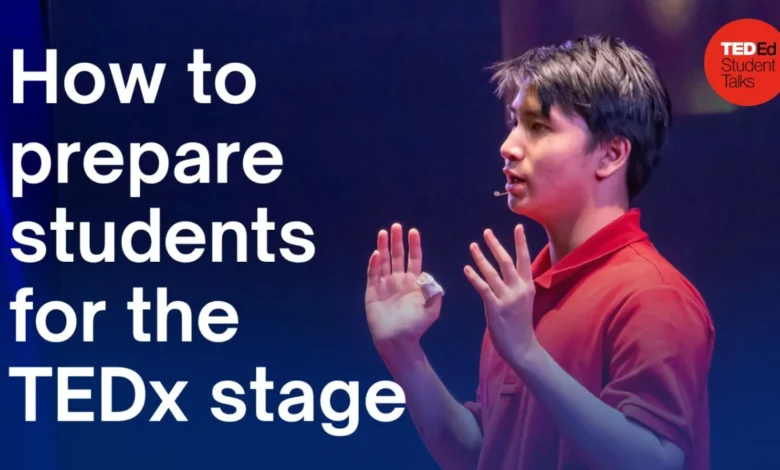
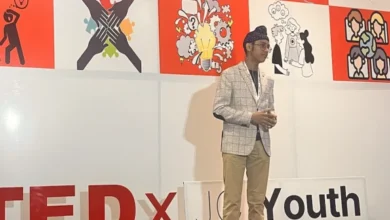
The challenge of cultivating student voice in an educational setting is a perennial hurdle for school administrators globally. While teenagers frequently possess profound insights, the transition from private contemplation to public articulation requires a structured, supportive, and consistent framework. At Unity Concord International School (UCIS) in Chiang Mai, Thailand, educators have successfully navigated this complexity by integrating the TED-Ed Student Talks program with the school’s annual TEDxUCIS Youth event. By bridging the gap between small-group training and high-stakes public presentation, the school has established a self-sustaining ecosystem that consistently elevates student discourse, transforms school culture, and provides a replicable model for international education.
The Structural Foundation of the UCIS Model
The success of the UCIS initiative relies on a tiered approach to public speaking. Rather than treating oratorical skill as an innate talent, the faculty at UCIS views it as a learned competency that requires long-term development. The process begins with the TED-Ed Student Talks group, which serves as a foundational "incubator" for students, particularly those in the 5th and 6th grades.
According to Abby Schrantz, the school’s TED-Ed Student Talks Coordinator, the primary barrier to entry is often the intimidation factor associated with public performance. To mitigate this, the program utilizes a peer-led recruitment model. By engaging students directly in their homeroom environments and leveraging testimonials from older students who have successfully navigated the program, the school has moved from passive recruitment to a model where the program is consistently at maximum enrollment capacity.
The curriculum inside the group prioritizes iterative learning. Unlike traditional, static public speaking workshops, the UCIS model utilizes a dynamic peer-review process. Students analyze past TED-Ed talks, dissecting the structural and rhetorical choices of their predecessors. This methodology serves two purposes: it demystifies the process of constructing a compelling narrative and fosters a culture of constructive criticism, which is essential for academic and personal growth.
Chronology of the Development Pipeline
The evolution of the UCIS program follows a distinct developmental timeline. Initially, the school treated TED-Ed Student Talks and TEDxUCIS Youth as independent projects. However, recognizing the pedagogical potential of a unified approach, leadership began aligning the two programs to create a continuous pipeline.
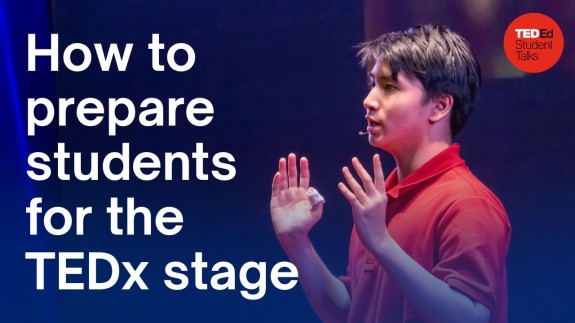
- Phase 1: Foundation (Early Semester): Students join the TED-Ed Student Talks group. The focus here is on identifying individual "big ideas," refining core messages, and building confidence in a low-stakes, supportive environment.
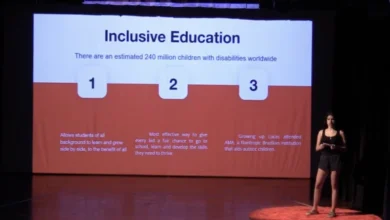
- Phase 2: Exposure (Mid-Semester): Students attend the annual TEDxUCIS Youth event as audience members. This observational phase is critical; it allows younger students to witness the professional production standards and the impact of the final stage, bridging the gap between classroom theory and real-world execution.
- Phase 3: Refinement (Late Semester): Following the event, students apply the lessons observed—such as the effective use of emotional intelligence, visual aids, and stage presence—to their own presentations.
- Phase 4: Synthesis (Year-End/Annual Event): The cycle culminates in the TEDxUCIS Youth event, where selected students present their final, polished talks to the wider community.
Data-Driven Insights and Organizational Benefits
From an administrative perspective, the integration of these two programs yields significant logistical and educational advantages. Madison Conger, the license holder for TEDxUCIS Youth, notes that the existence of a consistent training program significantly reduces the cognitive and administrative load during the high-pressure period of event preparation.
In traditional school events, organizers often spend the majority of their time teaching the basics of speechwriting, rhetoric, and stagecraft. Because the UCIS students are funneled through the TED-Ed framework, they arrive at the TEDx stage with a baseline understanding of the process. Data from the school suggests that this "pre-training" approach increases the quality of the final presentations while reducing the burnout rate among faculty organizers. By the time students reach middle and high school, they have internalized the iterative process of drafting, refining, and delivering a talk, creating a reliable, high-performing cohort that requires less supervision and more mentorship.
Amplifying Student Voice as Institutional Policy
The impact of this program extends well beyond the development of public speaking skills; it has fundamentally altered the school’s social and institutional fabric. By providing a structured platform for students to discuss vulnerable topics—such as the pressures of societal expectations, the challenges of cross-cultural identity, and the management of anxiety—the program has encouraged a culture of empathy.
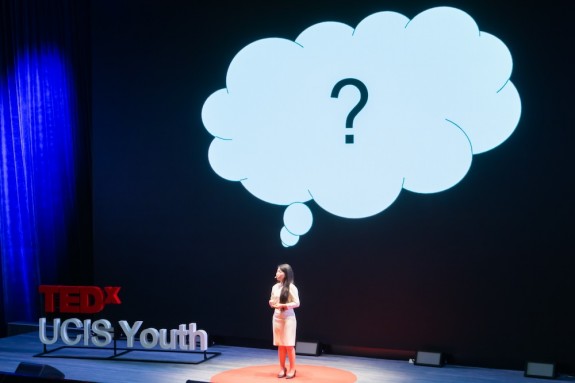
A notable example of this influence occurred during the previous academic year, when a student’s talk regarding the challenges faced by "cross-cultural kids" (students navigating multiple cultural identities within an international school environment) triggered a tangible institutional response. The discourse initiated by the speech led to the creation of a dedicated support group for parents and students to address these specific identity-related hurdles. This demonstrates the "real-world" impact of the program: the talks are not ephemeral performances, but catalysts for school-wide initiatives and policy improvements.
Broader Implications for Global Education
The UCIS model offers a compelling case study for educators seeking to implement similar programs in diverse contexts. The core strength of the model lies in its ability to standardize the "soft skills" of communication while allowing for maximum flexibility in content.
The integration of sensory elements—such as dedicated art exhibitions and sensory rooms—alongside the main event creates a holistic experience that mirrors the multi-disciplinary nature of professional conferences. This creates an environment that is inclusive of different learning styles and interests, ensuring that the "celebration of ideas" is not confined solely to the oratorical stage.
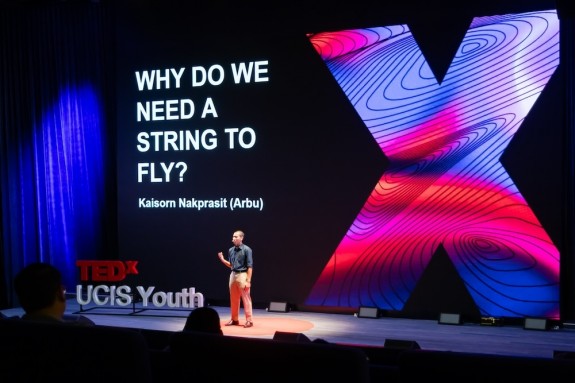
For schools considering this transition, the roadmap provided by the UCIS experience involves several key strategic pivots:
- Establishment of a Low-Stakes Entry Point: Prioritize an environment where students can experiment with ideas without the pressure of a live-streamed audience.
- Peer-Driven Recruitment: Utilize existing participants as ambassadors to normalize the process and build sustainable interest.
- Integration with Existing Curricula: Align the program with existing school milestones to ensure that it is viewed as an extension of academic growth rather than an additional, separate burden.
- Emphasis on Longitudinal Growth: Track student progress from the 5th grade through high school to ensure that students are not just completing a task, but developing a lifelong skill set.
Conclusion
The success of the TED-Ed and TEDx integration at Unity Concord International School highlights a crucial shift in modern pedagogy: the transition from passive, teacher-led instruction to a student-led, discovery-based model. By providing a clear, long-term pathway for students to develop their voices, the school has managed to turn public speaking into a defining feature of its identity. As more schools look to empower the next generation of global citizens, the UCIS framework provides a robust, proven methodology that emphasizes the power of ideas to spark real-world institutional and cultural change. For educators, the message is clear: the most effective way to foster student voice is to build an ecosystem that respects the depth of their ideas and provides the professional stage they deserve to share them.