Empowering the Next Generation of Global Orators How Unity Concord International School Integrates TED-Ed and TEDx to Transform Student Advocacy

In the evolving landscape of international education, the ability to articulate complex ideas with clarity and confidence has become a cornerstone of student development. At Unity Concord International School (UCIS) in Chiang Mai, Thailand, educators have moved beyond traditional public speaking curricula to establish a comprehensive ecosystem of student expression. By strategically linking the year-round TED-Ed Student Talks program with the high-profile annual TEDxUCIS Youth event, the institution has created a self-sustaining pipeline for youth voices. This integrated model does more than prepare students for a single performance; it fosters a culture of inquiry, empathy, and institutional change that resonates throughout the school community and the broader Ambassador Education Group network.
The Strategic Framework: Building a Sustainable Pipeline
The success of the UCIS model lies in its recognition that public speaking is not an innate talent but a skill developed through a tiered support system. Fernando Oringo, the International Co-curricular Coordinator of the Ambassador Education Group, identifies this synergy as a vital component of modern pedagogy. By collaborating with Abby Schrantz, the school’s TED-Ed Student Talks Coordinator, and Madison Conger, the TEDxUCIS Youth license holder, the school has bridged the gap between classroom-level practice and professional-grade public delivery.
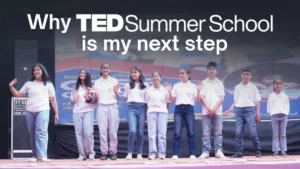
This pipeline begins with the TED-Ed Student Talks program, which serves as the foundational layer. Designed for students as young as five or six years old, this program provides a "low-stakes" environment where the primary goal is exploration rather than perfection. Educators at UCIS have found that by introducing these concepts early, they can mitigate the "stage fright" that often develops in later adolescence. The program acts as a laboratory for ideas, allowing students to experiment with narrative structures and visual aids long before they ever step onto a red circular carpet.
The Chronology of Student Development at UCIS
The journey from a curious fifth-grader to a TEDx speaker follows a deliberate chronological path designed to build resilience and technical proficiency.
- Recruitment and Personal Outreach: The process begins with direct engagement. Abby Schrantz conducts visits to every 5th and 6th-grade homeroom to demystify the program. This personal touch is supplemented by peer testimonials, where former participants share their experiences, creating a "pull" factor that has led the current group to reach maximum capacity.
- Curriculum and Innovation: Once enrolled, students engage in a curriculum that transcends standard facilitator guidebooks. The focus is on iterative learning, where students watch recordings of previous talks—both professional TED talks and those of their peers—to analyze what makes a message resonate.
- Peer-to-Peer Feedback Cycles: A critical phase of the chronology is the interactive peer-review session. By giving and receiving feedback, students develop a critical eye for storytelling and learn to view constructive criticism as a tool for growth rather than a personal setback.
- Observational Learning at the Main Stage: A pivotal moment occurs when younger students attend the TEDxUCIS Youth event as audience members. Seeing older students command a professional stage provides a tangible goal and a "proof of concept" for the skills they are practicing in their smaller groups.
- Transition to Leadership: As students move into middle and high school, those who participated in TED-Ed Student Talks enter the TEDx application process with a significant advantage. They are already familiar with the "idea worth spreading" philosophy and the technical requirements of a TED-style presentation.
Supporting Data and the Educational Landscape
The integration of TED programs at UCIS reflects a broader global trend in education. TED-Ed Student Talks currently supports thousands of groups in over 100 countries, reaching over 250,000 students annually. However, the UCIS model is unique in its localized "pipeline" approach.
Internal observations at UCIS indicate that students who participate in the TED-Ed program show marked improvements in several key areas:
- Self-Efficacy: Students report higher levels of confidence not just in public speaking, but in classroom participation across all subjects.
- Media Literacy: Through the creation of visual aids and the analysis of digital talks, students gain a deeper understanding of how information is packaged and consumed.
- Social-Emotional Learning (SEL): The program’s emphasis on "vulnerable topics" allows students to process personal challenges, such as academic pressure and social anxiety, in a productive, communal setting.
Madison Conger notes that from an organizational standpoint, the existence of the TED-Ed group significantly reduces the administrative burden of the TEDx event. When students have already been through the foundational training, the TEDx team can focus on high-level production and fine-tuning rather than teaching basic public speaking mechanics.
Institutional Impact: From Speeches to Social Change
The most profound outcome of the UCIS model is its ability to spark actual institutional and social change. The school views these talks not as ephemeral performances, but as catalysts for community improvement.
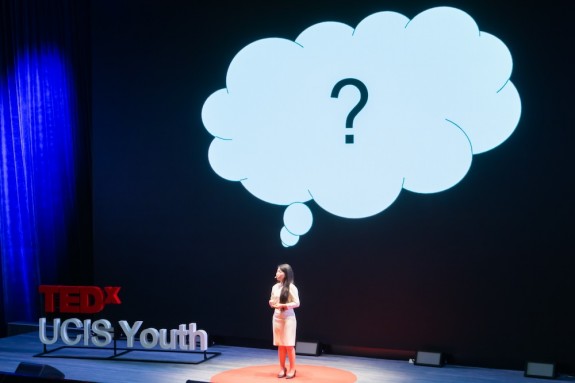
A notable example occurred during a recent TEDxUCIS Youth event, where a student delivered a presentation on the unique challenges faced by "Third Culture Kids" (TCKs)—individuals raised in a culture other than their parents’ or the culture of their country of nationality. The talk highlighted the sense of rootlessness and the specific psychological needs of students in an international school setting.
In response to this talk, the UCIS administration and parent body took concrete action. They established a dedicated "Cross-Cultural Kid Community," providing a support network for parents and students to navigate the complexities of international identity. This shift from a ten-minute speech to a permanent support structure exemplifies the "broader impact" that the TED platform aims to achieve.
Furthermore, students frequently tackle universal issues such as the "dangers of overthinking" and the "suffocating weight of societal expectations." By providing a platform for these discussions, the school has normalized conversations about mental health, reducing the stigma associated with these struggles and fostering a more empathetic campus culture.
Analysis of Implications for Global Education
The UCIS case study suggests that the future of extracurricular education lies in the vertical integration of programs. When schools silo their activities, they lose the opportunity for mentorship and the natural progression of skills. The UCIS pipeline model demonstrates three critical implications for the wider educational sector:
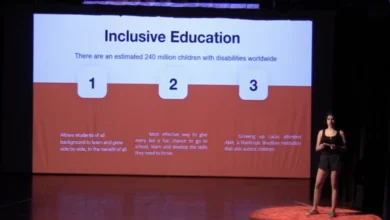
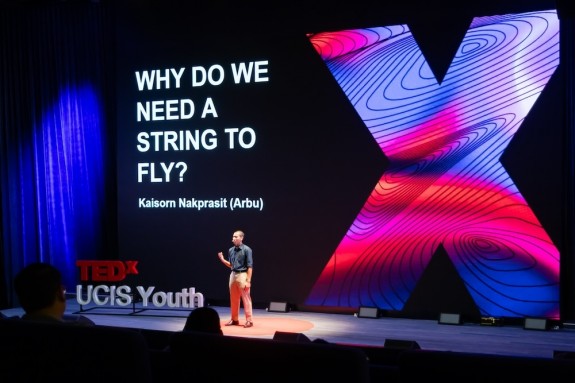
- The Professionalization of Youth Voices: By providing professional-grade platforms (complete with art exhibitions and sensory rooms, as seen at TEDxUCIS), schools signal to students that their ideas have real-world value. This "professionalization" encourages students to take their research and rhetoric more seriously.
- Mentorship as a Driver of Enrollment: The "at capacity" status of the UCIS TED-Ed group suggests that students are highly motivated by seeing their peers succeed. Peer-to-peer inspiration is often a more effective recruitment tool than top-down administrative mandates.
- Sustainability through Institutional Memory: By training younger students, the school ensures that the TEDx event will always have a pool of qualified speakers. This creates "institutional memory," where the standards and traditions of the program are passed down from one student generation to the next.
Official Guidance and Future Outlook
For educators seeking to replicate the success of Unity Concord International School, the organizers offer a clear roadmap. The priority is to "start small and keep it simple." By launching a TED-Ed Student Talks group first, schools can build a foundation without the high stakes and logistical complexities of a full TEDx license.
Madison Conger emphasizes that the brand recognition of TED serves as a powerful motivator. "It’s a big brand that kids know," she reflects. "It gives a platform for kids to talk about things they might not normally be able to share with a wider audience."
As the Ambassador Education Group continues to expand its supervision of TED-Ed programs across Thailand, Vietnam, and Cambodia, the model established at UCIS serves as the gold standard. Fernando Oringo continues to advocate for the intersection of cross-cultural pedagogy and student empowerment, viewing these programs as essential tools for mentoring the next generation of global change-makers.
In conclusion, the integration of TED-Ed Student Talks and TEDxUCIS Youth at Unity Concord International School represents a shift in how educational institutions approach student advocacy. By building a deliberate, supportive, and tiered pipeline, UCIS has ensured that its students are not just heard, but are capable of speaking with a level of authority and empathy that drives genuine community transformation. The program proves that when students are given the right ecosystem, their ideas can indeed change the world—starting with their own school.
Related posts: