Empowering Global Youth Voices Through an Integrated Ecosystem of Public Speaking at Unity Concord International School

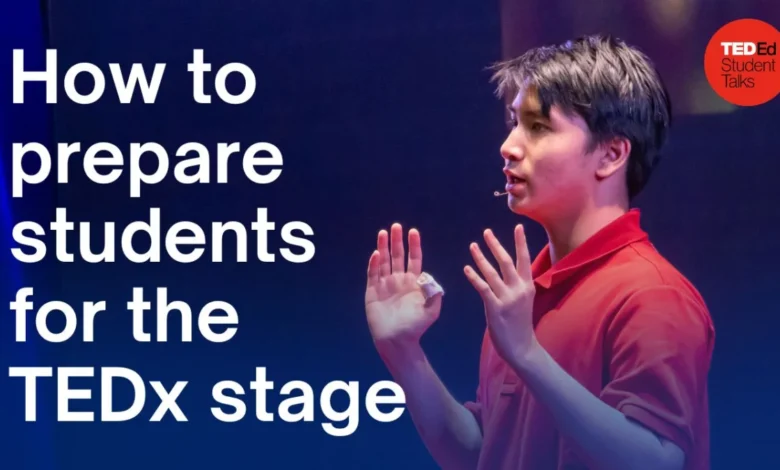
Unity Concord International School (UCIS) in Chiang Mai, Thailand, has established a pioneering educational model that successfully bridges the gap between classroom learning and global stage presence. By integrating the TED-Ed Student Talks program with the high-profile TEDxUCIS Youth event, the institution has moved beyond traditional public speaking instruction to create a self-sustaining pipeline for youth leadership. This strategic alignment addresses a perennial challenge in secondary education: the difficulty of encouraging teenagers to share their internal world with a wider audience. Through a structured ecosystem of mentorship, peer-to-peer inspiration, and professional-grade performance opportunities, UCIS is transforming how students perceive their own agency and the power of their ideas.
The initiative is led by a collaborative team of educators, including Abby Schrantz, the school’s TED-Ed Student Talks Coordinator, and Madison Conger, the TEDxUCIS Youth license holder. Their work is overseen by Fernando Oringo, the International Co-curricular Coordinator of the Ambassador Education Group, who manages student talk programs across a network of schools in Thailand, Vietnam, and Cambodia. Together, these organizers have developed a methodology that treats public speaking not as a solitary event, but as a multi-year developmental journey.
The Foundation: Cultivating Ideas in a Low-Stakes Environment
The UCIS model begins with the TED-Ed Student Talks program, which serves as the entry point for younger students, particularly those in the 5th and 6th grades. This stage of the program is designed to provide a "low-stakes" environment where students can experiment with storytelling and rhetorical techniques without the immediate pressure of a massive public audience. According to coordinator Abby Schrantz, the success of this foundation relies heavily on a personal approach to recruitment and a curriculum that prioritizes engagement over rigid instruction.
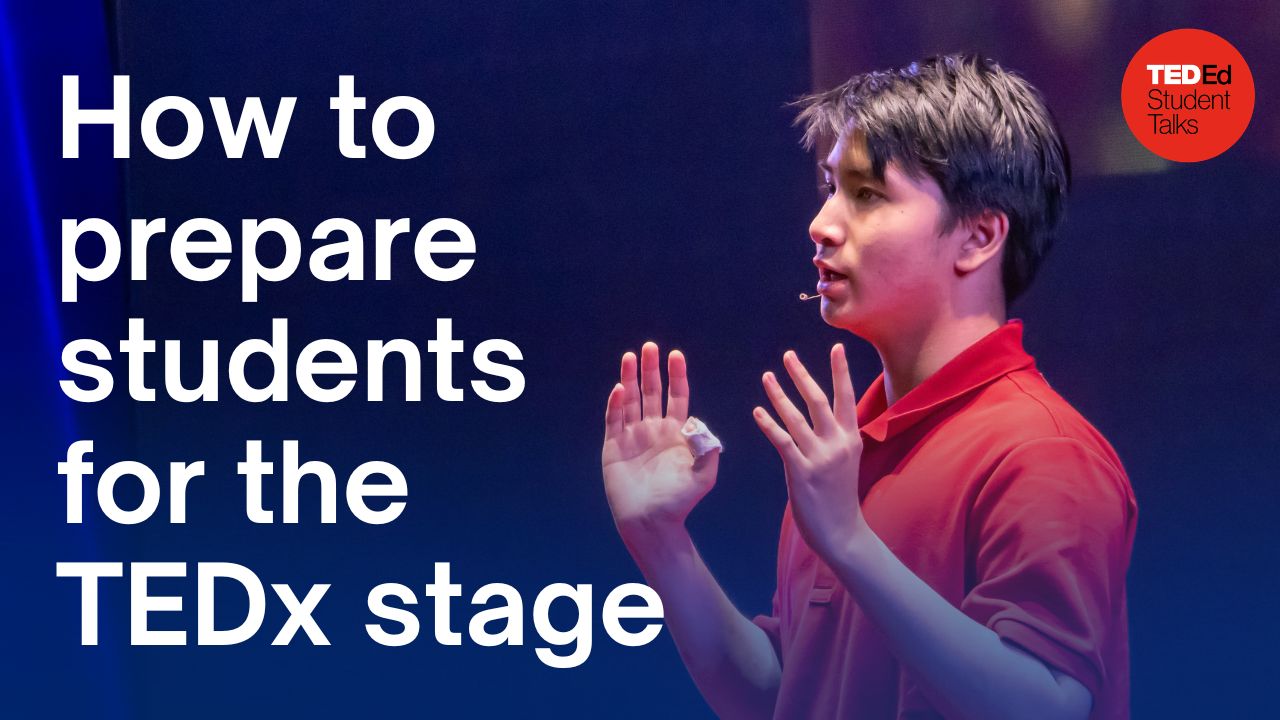
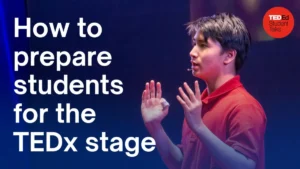
Schrantz conducts direct outreach by visiting 5th and 6th-grade homerooms, explaining the program’s value and leveraging the testimonials of older students. This peer-led recruitment strategy has proven highly effective; the program currently operates at maximum capacity. Once enrolled, students engage in a curriculum that deviates from traditional facilitator guidebooks. Instead of standard lectures, the program utilizes interactive peer-review sessions. Students watch recordings of previous talks—both from their own peers and from global TED-Ed participants—to analyze what makes a presentation resonate. They provide feedback on emotional delivery, visual aids, and the clarity of the "idea worth spreading." This method fosters a culture of critical thinking and collaborative improvement before a student ever steps onto a stage.
The Catalyst: Bridging the Gap to the Main Stage
The transition from a classroom setting to a professional event is the most critical phase of the UCIS pipeline. The school ensures that the two programs are not siloed but are instead deeply interconnected. A key tactic in this integration is ensuring that younger students in the TED-Ed Student Talks group are present in the audience for the annual TEDxUCIS Youth event.
Seeing older peers command a professional stage with high-quality lighting, sound, and a global audience serves as a transformative "aha" moment for younger participants. Organizers note that after attending the main event, students return to their smaller groups with renewed vigor. They begin to ask more sophisticated questions about their own performances, such as how to better incorporate evocative visuals or how to use vocal variety to convey deeper emotion.
Madison Conger, the TEDx license holder, emphasizes that the event is designed to be a "celebration of ideas" rather than just a series of speeches. The TEDxUCIS Youth event often features multi-sensory experiences, including art exhibitions and sensory rooms, which help students understand that communication can take many forms. This holistic approach ensures that the "TED brand" becomes a core part of the school’s identity, representing a platform for authentic self-expression.
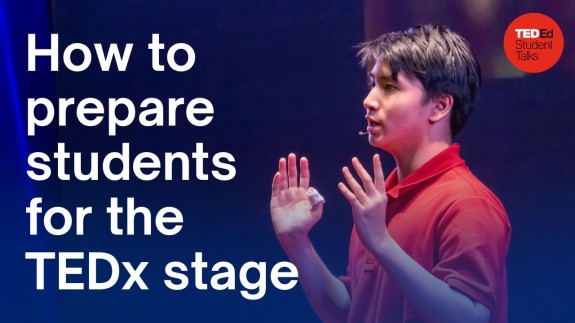
Chronology of the Student Journey
The UCIS model follows a specific timeline that mirrors the psychological development of the students:
- Recruitment and Ideation (Grades 5-6): Students join the TED-Ed Student Talks group. The focus is on identifying "the idea."
- Skill Development (Year-Round): Students engage in weekly sessions focused on peer review, visual design, and rehearsal.
- The Observation Phase (Annual Event): Younger students attend the TEDxUCIS Youth event as observers, gaining a vision of their future potential.
- Advanced Training (Middle School): Students who have "graduated" from the initial group move into more advanced preparation, often serving as mentors to the newcomers.
- The Main Stage (High School): Students apply to speak at the licensed TEDx event. Because of their years of prior training, these students are "stage-ready," requiring less foundational instruction and more nuanced coaching.
Supporting Data: The Impact of Public Speaking on Youth Development
The success of the UCIS program aligns with broader educational research regarding the benefits of structured public speaking programs. According to studies on adolescent development, programs that encourage "student voice" contribute significantly to several key areas:
- Social-Emotional Learning (SEL): Students who practice public speaking show a 25% increase in self-confidence and a marked reduction in social anxiety over a two-year period.
- Academic Performance: Research indicates that students with strong oral communication skills perform better in humanities and social sciences, as the ability to structure an argument for a speech translates directly to academic writing.
- Civic Engagement: Youth who feel their ideas are heard are 30% more likely to participate in community service or school leadership roles.
At UCIS, these statistics are reflected in the high retention rate of the program and the increasing complexity of the topics chosen by students. Participants frequently tackle vulnerable subjects such as the psychological impact of overthinking, the pressures of societal expectations, and the nuances of identity in international settings.
Institutional Change and Community Reaction
The most significant evidence of the program’s success lies in its ability to inspire direct institutional change. One notable example involves a student speech regarding the challenges faced by "Third Culture Kids" (TCKs)—children raised in a culture other than their parents’ or the culture of their country of nationality.
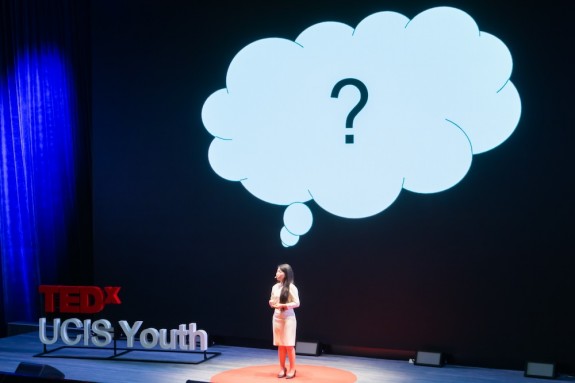
The talk resonated so deeply with the school community that it led to the creation of a dedicated "Cross-Cultural Kid Community" at UCIS. This group now provides a support network for both parents and students to navigate the unique identity challenges of international education. This outcome demonstrates that the program is not merely a performance exercise but a catalyst for social evolution within the school.
Madison Conger noted that for organizers, having a pre-existing TED-Ed Student Talks group makes the logistics of a TEDx event significantly more manageable. "Young people are so busy," she observed, noting that students who have already been through the TED-Ed process understand the milestones and the rigor required, allowing the organizing team to focus on the production quality of the event rather than foundational coaching.
Broader Implications for Global Education
The UCIS model provides a blueprint for other international and domestic schools looking to foster a culture of student agency. By treating public speaking as a long-term developmental pipeline rather than a one-off competition, schools can build a "self-sustaining" environment where students mentor one another.
Fernando Oringo’s role in supervising this program across Thailand, Vietnam, and Cambodia suggests a growing trend in Southeast Asian education toward "student-centered" pedagogy. As global industries increasingly value "soft skills" such as communication, empathy, and storytelling, programs like TED-Ed and TEDx provide a standardized yet flexible framework for schools to meet these demands.
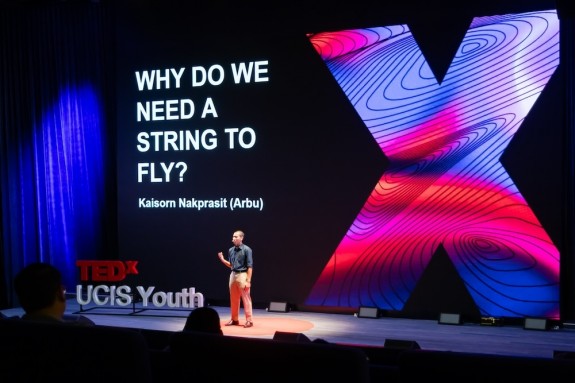
For educators looking to replicate this success, the advice from the UCIS team is clear: start early, provide a personal touch in recruitment, and ensure that younger students have a clear view of the "ultimate goal"—the professional stage. By doing so, schools do more than just teach students how to speak; they teach them that their ideas have the power to shape the world around them.
Conclusion and Future Outlook
As UCIS continues to refine its "ecosystem of support," the program is expected to expand its reach. The school’s commitment to providing a platform for vulnerable and diverse voices has already made "TED" a cornerstone of the school’s brand. In an era where digital communication often replaces face-to-face interaction, the emphasis on the "microphone" and the "stage" serves as a vital reminder of the enduring power of the human voice.
The success of students like those at UCIS proves that when teenagers are given the right tools and a supportive environment, they are not just capable of having incredible ideas—they are capable of leading the conversation on how to implement them. The pipeline from a 5th-grade classroom to a TEDx stage in Chiang Mai is more than just a path to a speech; it is a path to global citizenship.