Cultivating the Next Generation of Public Speakers Through an Integrated TED-Ed and TEDx Pipeline at Unity Concord International School

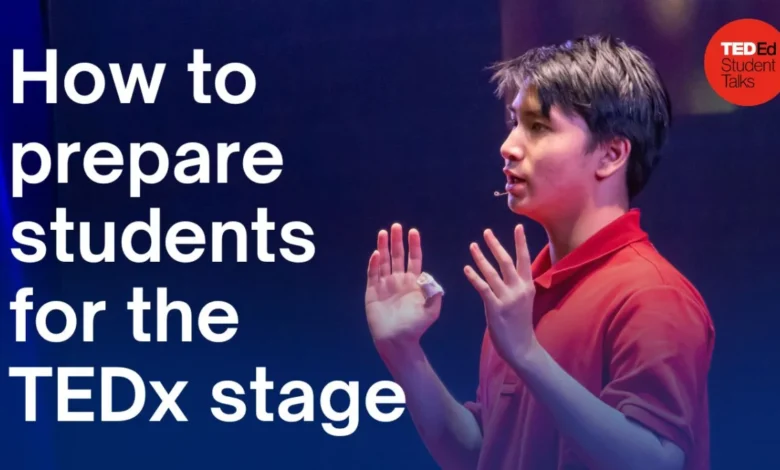
The challenge of capturing the attention of a modern adolescent is a hurdle familiar to educators worldwide, yet Unity Concord International School (UCIS) in Chiang Mai, Thailand, has successfully transformed this obstacle into a sophisticated pedagogical model. By architecting a seamless, dual-track ecosystem that bridges the foundational training of TED-Ed Student Talks with the high-stakes, professional environment of the annual TEDxUCIS Youth event, the institution has created a self-sustaining pipeline for student advocacy and public discourse. This initiative transcends the traditional boundaries of extracurricular activities, embedding a culture of critical thinking and oral communication into the core of the school’s academic life.
The Architecture of the Program: From Foundational Training to Main Stage
At the heart of the UCIS strategy is the integration of two distinct but complementary frameworks. The TED-Ed Student Talks program serves as the school’s primary incubator for communication skills. Designed for students in the 5th and 6th grades, this program provides a low-pressure environment where children can explore their curiosity and learn to articulate complex ideas.
According to Abby Schrantz, the school’s TED-Ed Student Talks Coordinator, the growth of this program has been driven by a shift toward peer-to-peer recruitment. Rather than relying on top-down administrative mandates, the school leverages the influence of students who have already completed the program. By visiting classrooms and sharing their personal experiences, these students demystify the process of public speaking for their younger peers. Current enrollment data suggests this approach is highly effective, as the program has reached full capacity, indicating a robust demand for opportunities that prioritize student voice.
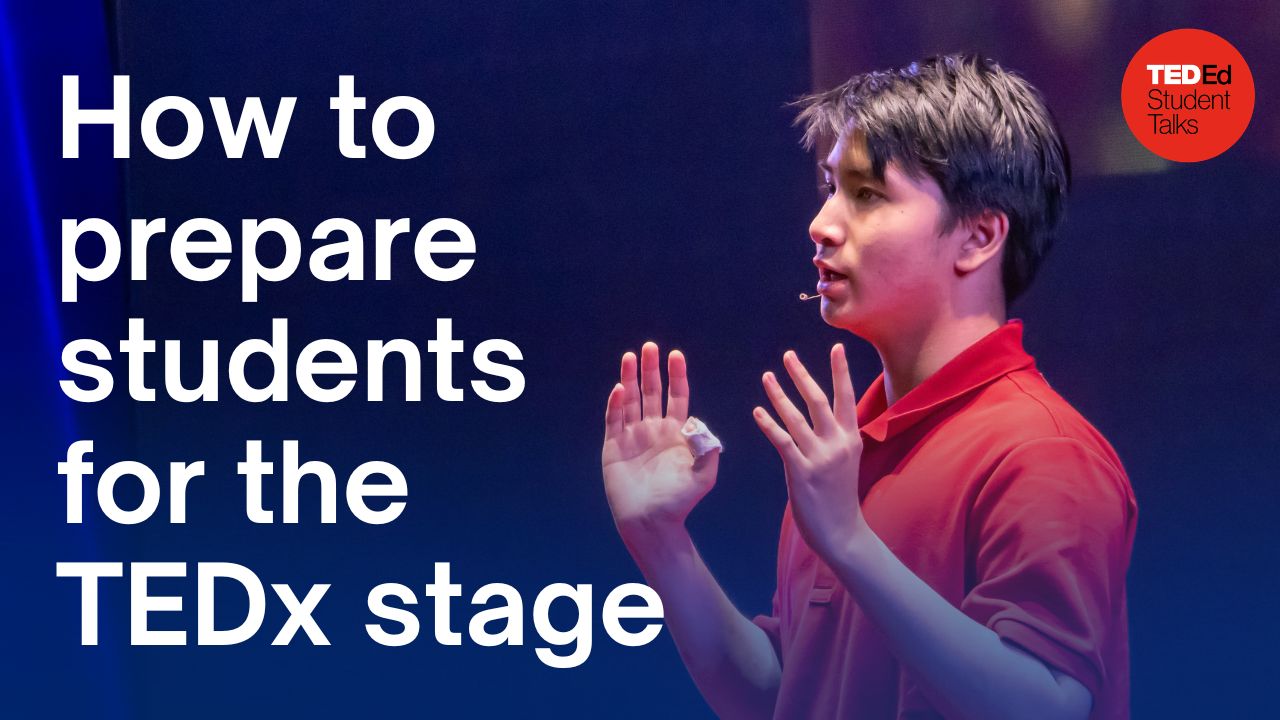
The curriculum within these sessions is dynamic, moving away from rigid, static lesson plans. Schrantz emphasizes the use of interactive peer-review sessions, where students analyze previous years’ talks. By dissecting both the rhetorical structure and the delivery techniques of their predecessors, students gain a practical understanding of how to translate an abstract idea into a compelling narrative. This iterative process of feedback and refinement is critical in building the resilience necessary for public performance.
The Chronology of Development: A Multi-Year Roadmap
The success of the UCIS model is rooted in its long-term perspective. The transition from the classroom to the TEDx stage is not treated as a singular event but as a multi-year trajectory. This roadmap begins in the middle school years with TED-Ed, where the primary objective is the exploration of personal identity and intellectual interests.
As students progress into higher grade levels, they encounter the TEDxUCIS Youth event. This transition is carefully managed to ensure that the skills acquired during the foundational years are applied in a professional, public-facing setting. Madison Conger, the license holder for TEDxUCIS Youth, notes that this pipeline significantly reduces the friction typically associated with organizing large-scale youth events. By the time a student reaches the main stage at a TEDx event, they have already undergone years of training, which significantly elevates the quality of the final presentations.
This longitudinal approach mitigates the common "start-up" fatigue associated with student clubs. Because students are familiar with the TED brand and the specific pedagogical requirements of the program from a young age, organizers spend less time on basic training and more time on the advanced refinement of content, delivery, and staging.
Data-Driven Success and Institutional Impact
While public speaking initiatives are often viewed through the lens of individual student development, the impact at UCIS extends to institutional culture. Data from recent school assessments indicates a positive correlation between participation in these programs and increased student engagement in school-wide community service initiatives.
One notable example occurred following a presentation by a student regarding the challenges faced by "cross-cultural kids"—students navigating multiple national and linguistic identities within an international school environment. The presentation did not merely exist as an isolated speech; it acted as a catalyst for institutional change. Following the event, the school administration and student body collaborated to establish a support network for cross-cultural students and their parents. This development highlights the tangible, real-world utility of the program: the transition from theory to practice, and from an idea to a community-led initiative.
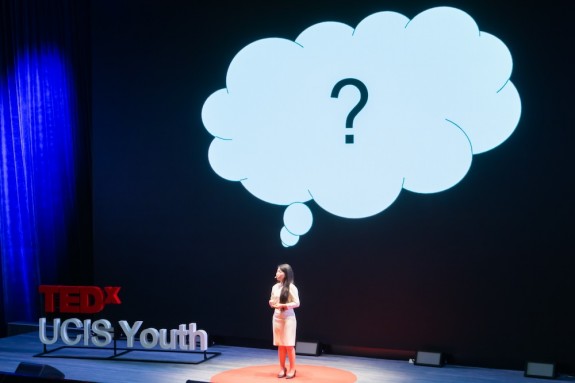
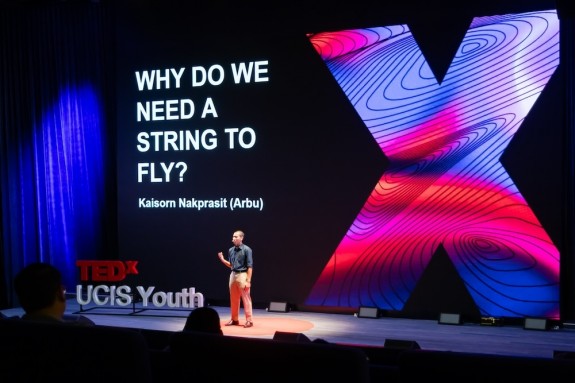
Furthermore, the integration of a sensory-rich environment during the TEDxUCIS Youth event—which includes art installations and curated sensory rooms—demonstrates an understanding of modern audience engagement. By treating the event as a holistic experience, the organizers have successfully fostered an environment where students feel empowered to discuss vulnerable topics, such as the psychological pressure of academic expectations and the dangers of overthinking.
The Role of Educators in Facilitating Student Agency
Fernando Oringo, International Co-curricular Coordinator of the Ambassador Education Group, underscores that the success of these programs is contingent upon the educator’s role as a facilitator rather than a director. In the UCIS model, the teacher’s primary function is to provide the infrastructure that allows students to discover their own voices.
From a pedagogical standpoint, the implications of this model are significant. By prioritizing the "student-as-expert" model, the program encourages pupils to research topics that are deeply personal yet universally relevant. This shift in power dynamics—where the teacher provides the framework and the student provides the intellectual content—has led to a demonstrably higher level of commitment from the student body. The program is not an additional burden to their curriculum, but rather a space for them to process their daily academic and social experiences.
Comparative Analysis and Replicability
For other educational institutions looking to replicate the success seen in Chiang Mai, the UCIS experience offers several key takeaways. First, the importance of branding cannot be overstated. By utilizing a globally recognized framework like TED-Ed, schools can provide students with a sense of prestige and purpose that standard school assemblies often lack.
Second, the structural integration of programs is essential. A common failing in many schools is the "siloing" of initiatives; however, the UCIS model demonstrates that by linking a year-round training program with an annual showcase, the school creates a self-sustaining cycle. Students in the lower grades observe the success of their seniors, which builds a culture of aspiration.
Finally, the focus on "relatable" content is a differentiator. By encouraging students to speak on themes like societal pressure and identity, the program fosters a sense of empathy among the student body. The audience is not merely watching a performance; they are engaging in a shared experience of vulnerability and insight.
Broader Implications for Secondary Education
The pedagogical approach adopted at UCIS aligns with current trends in global education that emphasize the development of "soft skills" alongside traditional academic achievement. As the workforce of the future increasingly demands high levels of emotional intelligence, collaborative problem-solving, and the ability to synthesize and communicate information, programs like the TED-Ed/TEDx pipeline are moving from the periphery to the center of educational strategy.
The evidence from UCIS suggests that when students are given the agency to curate their own ideas and the platform to present them to their peers and community, the resulting impact on the school environment is profound. The program effectively transforms the school into an ecosystem of innovation. By fostering this culture, UCIS is not only teaching students how to give a speech; they are teaching them how to identify problems, formulate solutions, and persuade others to join them in creating meaningful, lasting change.
As the program continues to evolve, the focus for educators remains on the scalability of these practices. While the specific logistical requirements of a TEDx license involve rigorous adherence to international standards, the foundational principles—early exposure, peer-to-peer mentorship, and the validation of student ideas—are applicable across a wide spectrum of educational settings. The experience at UCIS serves as a template for schools globally, proving that when educators invest in the voices of their students, the entire community reaps the benefits of a more informed, empathetic, and communicative future generation.