TED-Ed Reveals the Top 10 Educational Animations of 2025 Highlighting Global Trends in Science Philosophy and Human Health

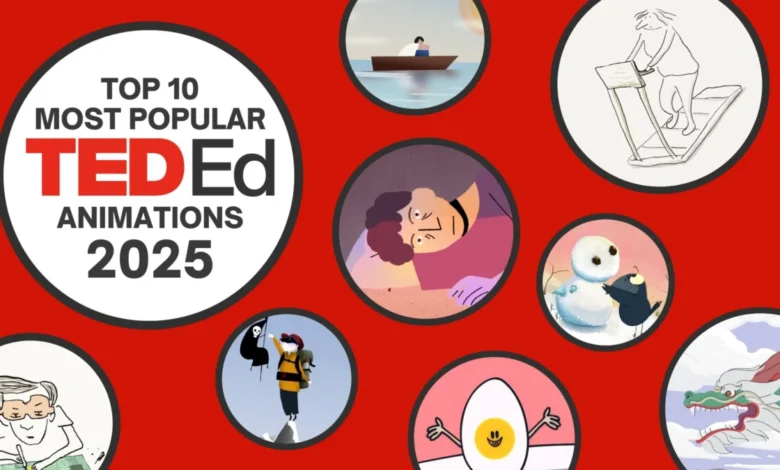
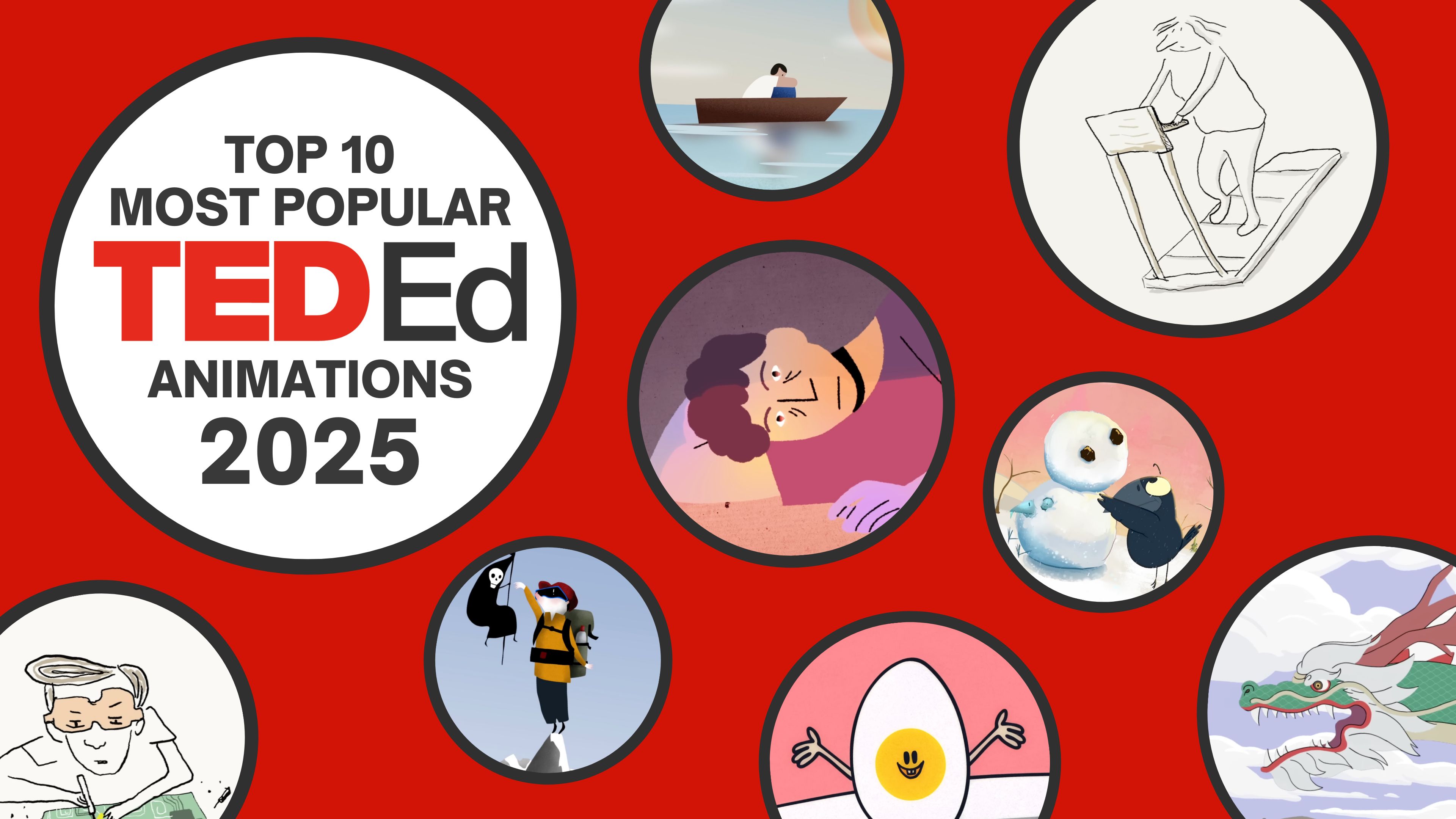
The educational platform TED-Ed has released its year-end viewership data for 2025, revealing that its global audience spent nearly 16 million hours engaging with its signature animated lessons over the past twelve months. This staggering figure, equivalent to more than 1,800 years of continuous viewing, underscores the growing dominance of short-form, high-quality educational content in the digital age. The most-viewed videos of the year reflect a diverse range of human curiosity, spanning from the biological mechanics of the human body and the psychological impacts of isolation to the origins of ancient myths and the potential of emerging technologies to solve the world’s most pressing environmental crises.
The 2025 viewership trends suggest a significant shift in public interest toward intersectional learning—where science meets philosophy and history meets modern problem-solving. As digital platforms continue to evolve, the success of TED-Ed’s 2025 roster highlights a demand for nuanced, evidence-based storytelling that simplifies complex topics without sacrificing academic integrity.
A Year of Intellectual Exploration and Digital Growth
The 2025 data marks a record-breaking year for TED-Ed, which has consistently expanded its reach since its inception. The platform’s ability to garner millions of hours of watch time indicates that YouTube remains a primary destination for "edutainment," a sector that has seen a 15% year-over-year growth in 2025 according to industry analysts. The top 10 videos of the year are characterized by their ability to answer "why" and "how" questions that affect daily life, ranging from personal health choices to global economic strategies.
1. The Myth of the 10,000-Step Goal
Taking the top spot in 2025 is an investigation into the scientific validity of the 10,000-steps-a-day rule. Narrated by Shannon Odell, the video explores the journey of Jean Béliveau, a man who circumnavigated the globe on foot, but focuses primarily on the average person’s daily activity. The video clarifies that the "10,000 steps" benchmark originated from a 1960s marketing campaign for a Japanese pedometer called the Manpo-kei, rather than a medical breakthrough.
Supporting data in the video highlights that while 10,000 steps is a laudable goal, significant health benefits—including a 40% reduction in all-cause mortality—can be observed at just 7,000 to 8,000 steps. This revelation resonated deeply with a health-conscious 2025 audience looking for sustainable, science-backed fitness advice rather than arbitrary milestones.
2. The Neurological Impact of Forced Isolation
Ranked second is Terry Kupers’ investigation into the effects of social isolation on the human brain. This video gained immense traction as global discussions regarding mental health and the "loneliness epidemic" reached a fever pitch in 2025. The animation details how prolonged isolation can lead to the shrinking of the hippocampus—the area of the brain responsible for memory and spatial navigation—and an overactive amygdala, which processes fear. By framing solitude not just as a social issue but as a physiological one, the lesson provided viewers with a sobering look at the necessity of human connection for biological health.
3. Geomythology and the Global Prevalence of Dragons
The third most popular video of the year takes a historical and scientific approach to folklore. "Why do so many cultures have dragon legends?" explores the concept of geomythology. From the Chinese Loong to the Greek Hydra, Timothy J. Burbery explains how ancient civilizations may have used the concept of dragons to explain natural phenomena they could not yet understand.
Scholars cited in the lesson suggest that the discovery of dinosaur fossils, combined with observations of violent weather events like waterspouts or volcanic eruptions, likely fueled the "dragon" narrative across continents that had no contact with one another. This video appealed to the 2025 audience’s interest in how human imagination bridges the gap between the known and the unknown.
4. The Philosophical Dilemma of Immortality
Philosophy remains a cornerstone of the TED-Ed library, with Sarah Stroud and Michael Vazquez’s exploration of immortality ranking fourth. The video presents a thought experiment: if given a potion to stop aging forever, would you take it? This topic coincided with 2025’s real-world debates regarding "longevity science" and multi-billion-dollar investments in anti-aging biotechnology. The video delves into the "boredom problem" and the "meaning of life" argument, suggesting that the finitude of life is what gives our choices value.
5. Understanding Aphantasia and the Internal Theatre
The fifth most-viewed video addresses aphantasia—the inability to visualize imagery in the "mind’s eye." Narrated by Adam Zeman, the scientist who coined the term, the lesson explains that roughly 2% to 5% of the population experiences a "blind" imagination. In a year where neurodiversity became a major focus in educational settings, this video helped millions understand that the internal experience of reading or dreaming varies wildly from person to person. The popularity of this video reflects a broader 2025 trend toward self-discovery and the validation of different cognitive processing styles.
6. The Evolution of Nutritional Science: The Case of Cholesterol
Health science returned to the spotlight with Hei Man Chan’s deep dive into cholesterol. For decades, dietary guidelines warned against egg consumption based on 1968 American Heart Association recommendations. The 2025 video updates this narrative, explaining the difference between LDL and HDL cholesterol and how the body actually regulates these molecules. By debunking long-held myths about dietary cholesterol and its direct link to cardiovascular disease, the video served as a vital piece of public health communication, helping viewers navigate the often-contradictory world of nutritional advice.
7. The Generalist Advantage in Skill Acquisition
In the seventh spot, David Epstein challenges the "10,000-hour rule" popularized by Malcolm Gladwell. In a rapidly shifting 2025 job market driven by artificial intelligence, Epstein’s argument for "range"—the idea that a broad base of experiences is often better than early specialization—found a highly receptive audience. The video suggests that "sampling" different fields leads to better "match quality" between a person and their career, providing a counter-narrative to the pressure of hyper-specialization that starts in early childhood.
8. Economic Interventions: The Impact of Unconditional Cash Transfers
Addressing global inequality, the eighth most popular video examines a 2018 experiment in the Ahenyo village, where residents were given $500 with no strings attached. This lesson explores the efficacy of Universal Basic Income (UBI) and direct aid versus traditional philanthropic models. The data presented suggests that when the poor are given agency over their finances, they prioritize long-term investments like education and home repair, rather than "temptation goods." This video’s popularity reflects the 2025 global discourse on economic reform and the search for more dignified ways to combat extreme poverty.
9. Avian Intelligence and the Complexity of the Crow
The ninth video explores the cognitive abilities of the corvid family. Narrated by Katharina Brecht, the lesson moves beyond Aesop’s fables to show real-world examples of crows using multi-step tools, recognizing human faces, and even understanding the concept of "zero." As 2025 saw increased interest in non-human intelligence, this video highlighted the fact that brain structure (the absence of a neocortex in birds) does not necessarily limit complex problem-solving abilities, challenging the traditional "bird brain" hierarchy.
10. Desalination and the Future of Global Water Security
Rounding out the top ten is Manish Kumar’s investigation into seawater desalination. With United Nations projections suggesting that 87 countries could be water-scarce by 2050, the 2025 audience showed a keen interest in the technology required to turn the oceans into drinking water. The video addresses the "brine problem"—the toxic salt byproduct of desalination—and how new membrane technologies are making the process more energy-efficient and environmentally friendly.
Chronology of Content Release and Audience Engagement
The release schedule of these videos throughout 2025 was strategically managed to align with global events and seasonal interests. The health-focused videos (Steps and Cholesterol) were released early in the year to coincide with "New Year, New Me" trends, while the more philosophical and scientific topics (Immortality and Crows) were staggered during the mid-year months. The year concluded with high engagement on the desalination video, as COP30 climate discussions dominated international headlines in late 2025.
Broader Impact and Educational Implications
The massive engagement with TED-Ed in 2025 suggests that digital animations are no longer seen merely as "supplemental" materials but as primary educational drivers. Educators worldwide have reported integrating these top 10 videos into curricula, citing their ability to spark critical thinking and classroom debate.
"The fact that 16 million hours were spent on these lessons tells us that the public is hungry for depth," said one educational consultant reflecting on the data. "People aren’t just looking for 15-second soundbites; they are willing to spend five to ten minutes deeply focused on the mechanics of the brain or the ethics of poverty relief, provided the storytelling is compelling."
As the world moves toward 2026, the success of these topics provides a roadmap for the future of digital literacy. The 2025 list proves that whether the subject is as ancient as a dragon legend or as futuristic as desalination, the human desire to understand the world remains the most powerful engine for digital growth. Through a combination of artistic animation and rigorous fact-checking, TED-Ed has managed to turn 1,800 years of human attention into a global classroom, setting a high bar for educational media in the years to come.
Related posts: