From Small Town Roots to Global Stages: How TED-Ed Student Talks and TED Summer School are Empowering the Next Generation of Intellectual Leaders


For over a decade, the TED-Ed Student Talks initiative has functioned as a global catalyst for youth development, providing a structured platform for millions of students to translate their personal narratives into professional-grade public speaking engagements. This educational framework, which emphasizes the intersection of storytelling, critical thinking, and civic engagement, has recently evolved through a strategic partnership with Immerse Education. Together, these organizations have launched the TED Summer School, a rigorous two-week residential and virtual program designed for students aged 15 to 18 to refine their leadership capabilities and communication mastery.
The Evolution of Student-Led Advocacy
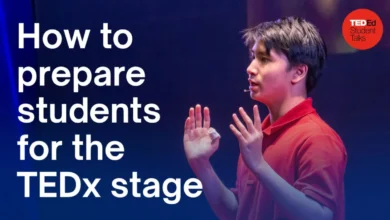
The trajectory of this movement is best exemplified by the experience of Samya Gupta, a student from India whose journey through the TED-Ed ecosystem illustrates the program’s broader objectives. Gupta’s involvement began with localized TED-Ed Student Talks and TEDx event management, roles that necessitated the development of operational, logistical, and interpersonal skills.
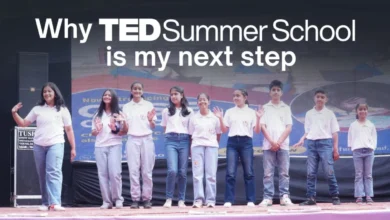
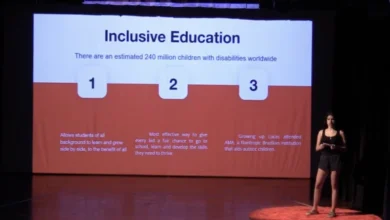
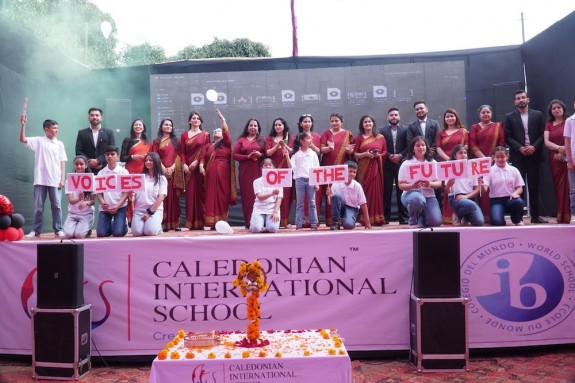
In 2024, the school hosted its inaugural TEDx event, a milestone that served as a practical training ground for student leaders. By coordinating schedules, managing logistics, and facilitating speaker interactions with figures from politics and journalism, student organizers like Gupta gained firsthand experience in project management. Following this, the transition to the TED-Ed Student Talks program provided a more intimate environment for intellectual expression. Gupta, among 40 initial candidates, was selected as one of the ten final presenters, focusing her talk on the nuances of adolescent mental health in India—a topic specifically curated for an audience of parents and educators.
Chronology of an Emerging Leader
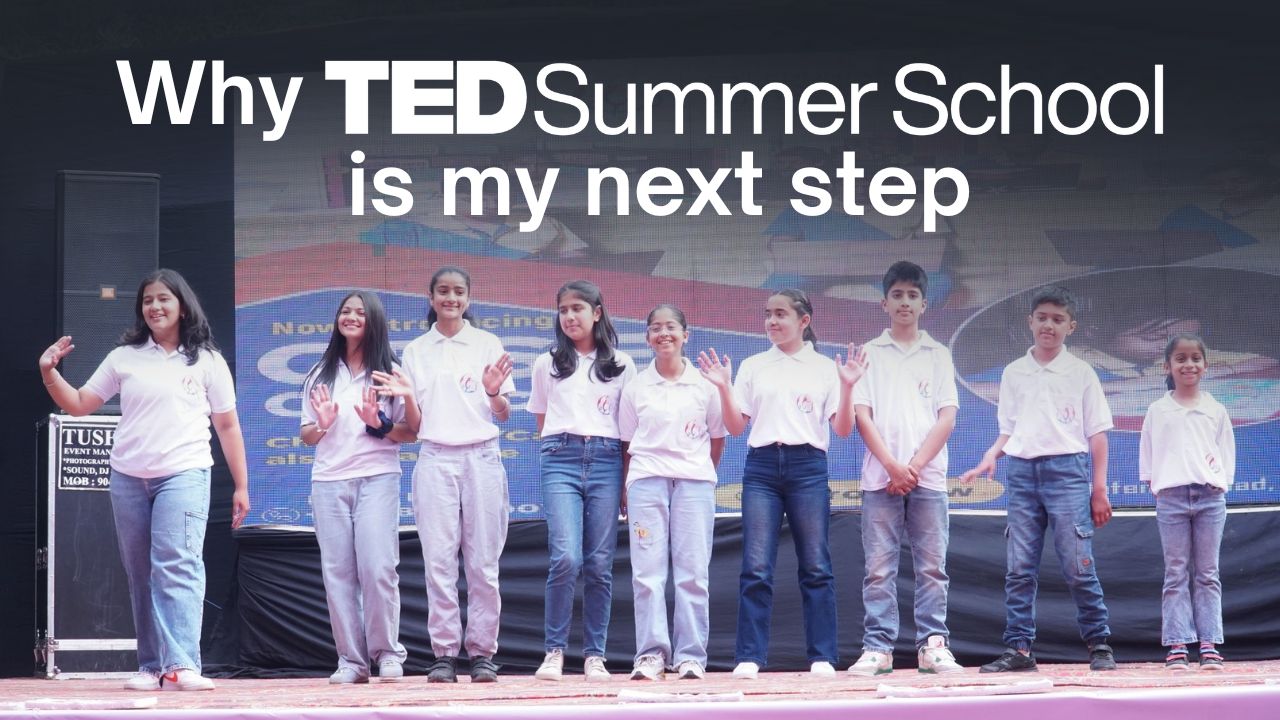
Gupta’s path to international recognition was marked by a series of deliberate steps:
- 2024: Participated in the organization and execution of her school’s first TEDx event, gaining exposure to cross-disciplinary professionals.
- Late 2024: Selected for the TED-Ed Student Talks cohort, where she refined her ability to distill complex social issues into concise, impactful narratives.
- Early 2025: Appointed as a student coordinator for subsequent TEDx events, overseeing complex logistical frameworks.
- Mid-2025: Entered the "Learning to be Heard" global competition, competing against over 2,000 entries.
- Late 2025: Awarded a prestigious scholarship to the TED Summer School program, with a planned residency in Singapore.
Data-Driven Impact on Youth Development
The "Learning to be Heard" competition serves as a bellwether for the current state of youth advocacy. With over 2,000 international submissions, the initiative highlighted a growing trend: students are increasingly shifting their focus from broad, macro-level global issues—such as climate change or systemic poverty—toward personalized, experiential storytelling.
Educational research suggests that this shift is not merely stylistic but pedagogical. When students frame their arguments through the lens of lived experience—as Gupta did by addressing the stigma associated with coming from a small town—the cognitive retention of the audience significantly increases. Furthermore, the provision of scholarships for programs like TED Summer School is a critical intervention in the educational equity landscape. For many students, the barrier to entry for high-level leadership programs is primarily financial. By providing merit-based scholarships, organizations are able to democratize access to mentorship networks that have historically been reserved for students in elite urban centers.
The Pedagogical Framework of TED Summer School
The TED Summer School curriculum is bifurcated into two primary streams: core theory and practical application. The theoretical component focuses on the mechanics of rhetoric, the psychology of persuasion, and the structural integrity of a compelling narrative. The practical component, however, is where the program distinguishes itself from traditional summer academic courses.
Students are paired with expert tutors who provide iterative feedback on their public speaking performance. This "coaching model" is designed to mimic the professional preparation process that adult speakers undergo for mainstream TED events. By integrating this model into a two-week intensive, students are forced to rapidly prototype, test, and refine their ideas, fostering a level of intellectual agility that is rarely cultivated in standard classroom settings.
Broader Implications for Global Education
The expansion of these programs into international hubs—including Singapore, New York, and London—reflects a broader realization within the education sector: the traditional schooling model, which prioritizes standardized testing and rote memorization, is increasingly insufficient for the demands of the modern workforce.
Experts in youth development suggest that the "soft skills" fostered by the TED-Ed model—specifically active listening, public discourse, and project coordination—are the primary indicators of long-term professional success. By fostering an environment where students from small, non-metropolitan areas can engage on an equal footing with their international peers, programs like TED Summer School are effectively flattening the hierarchy of academic opportunity.
"The goal is not just to be heard, but to actually say things that matter," Gupta noted during her interview with TED-Ed Program Manager Shraya Sharma. This sentiment underscores the primary objective of the initiative: to move beyond the superficiality of public speaking and into the realm of meaningful civic discourse.
Future Outlook and Academic Integration
As the TED Summer School continues to scale, its impact on university readiness is becoming more apparent. Participants are gaining direct exposure to university-level mentorship, which serves as a critical bridge between secondary education and higher learning. For many students, this mentorship acts as a secondary form of career counseling, allowing them to gain insight into the cultural and academic environments of potential universities before the formal application process begins.
Looking ahead, the success of the scholarship program suggests that future cohorts will become increasingly diverse, representing a wider array of geographic and socioeconomic backgrounds. This inclusivity is vital, as the "global voice" of the next generation must reflect the realities of those in marginalized or smaller communities if it is to offer genuine solutions to 21st-century challenges.
For organizations looking to replicate this model, the takeaway is clear: when provided with the right tools, mentorship, and a platform that validates their personal narratives, young students are capable of producing work that rivals the intellectual output of professional communicators. The ongoing partnership between TED and Immerse Education is likely to remain a significant pillar of extracurricular academic life, setting a new standard for how the next generation is prepared for the complexities of global leadership.