The Evolution of Hotel Branding: Why Hospitality Giants Are Handing Creative Control to Digital Creators

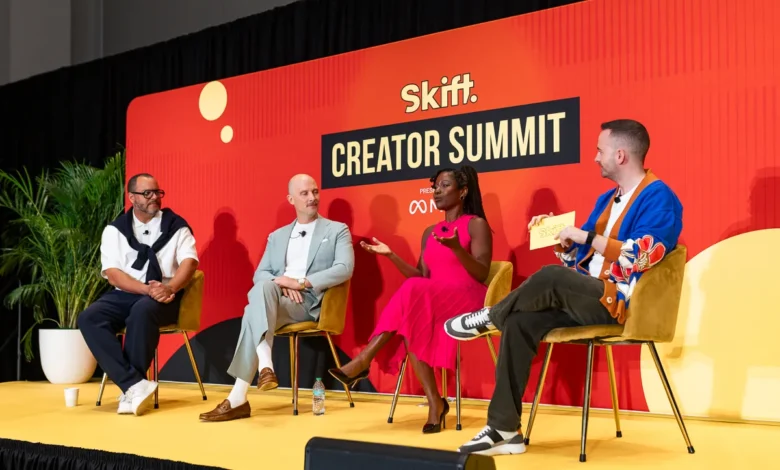
The modern landscape of hospitality marketing is undergoing a fundamental structural transformation, characterized by a decisive shift away from traditional, highly polished corporate messaging and toward decentralized, creator-led storytelling. This paradigm shift took center stage at the recent Skift Creator Summit in New York City, where senior executives from some of the world’s largest travel and hospitality brands gathered to discuss the intersection of social media influence, consumer trust, and corporate identity. Among the most striking admissions of the event came from Connor Smith, Senior Vice President of Global Brands at IHG Hotels & Resorts, who revealed that managing a portfolio of more than 7,000 properties across 21 distinct brands now requires an unprecedented level of trust in external digital creators.
For decades, hotel branding was a tightly guarded corporate asset. Guidelines governing logo placement, color palettes, tone of voice, and interior aesthetic standards were meticulously crafted in corporate headquarters and enforced uniformly across franchise networks. However, the rise of the digital creator economy—accelerated by shifting consumer behaviors and a generational skepticism toward traditional advertising—has forced legacy hospitality brands to reconsider how they communicate with travelers. Smith’s candid remarks at the summit illuminate a broader industry-wide realization: maintaining rigid control over brand identity can actively hinder a company’s ability to forge authentic connections with modern, fragmented audiences.
The Context and Chronology of the Shift Toward Creator Partnerships
To understand the current reliance on digital content creators within the hospitality sector, it is necessary to examine the evolution of travel marketing over the past fifteen years. In the early days of social media platforms like Instagram and YouTube, hospitality brands viewed digital influencers primarily as transactional distribution channels. Hotels routinely exchanged complimentary accommodations for a static photo post or a brief mention, treating creators as digital billboards rather than strategic collaborators.
By the mid-2010s, as algorithms shifted toward video-first consumption and algorithmic discovery, the limitations of traditional influencer marketing became apparent. Consumers quickly developed fatigue toward heavily filtered, overtly commercialized vacation content. The emergence of TikTok and Instagram Reels further accelerated this consumer preference for raw, unfiltered, and deeply subjective travel documentation. Travelers increasingly turned to independent creators—armed with smartphones, portable lighting, and personal narratives—rather than official tourism boards or hotel marketing campaigns to inform their booking decisions.
Recognizing this behavioral shift, major hotel conglomerates began experimenting with structured creator residency programs around 2021 and 2022. Rather than commissioning one-off advertising campaigns, brands started inviting creators to experience properties over extended periods, granting them access behind the scenes. By 2024 and 2025, influencer marketing budgets within the travel sector had shifted dramatically from top-tier celebrity endorsements to micro and mid-tier creators whose audiences demonstrated significantly higher engagement rates and conversion metrics. The discussions at the September 2026 Skift Creator Summit mark the maturation of this trend: the conversation has moved past the question of whether to work with creators, focusing instead on how much operational and creative control corporate brands are willing to relinquish.
The Tension Between Corporate Consistency and Creator Authenticity
The primary challenge facing hospitality executives today is balancing the legal and operational necessity of brand consistency with the creative freedom required to produce engaging, trustworthy content. Connor Smith’s tenure overseeing IHG’s 21 brands—which range from luxury properties like InterContinental and Regent to mainstream staples like Holiday Inn—illustrates the complexity of this balancing act.
Maintaining global brand standards across thousands of franchised and managed properties requires stringent oversight. Historically, any marketing material bearing an IHG brand name underwent rigorous compliance checks to ensure alignment with corporate values and visual identity. However, Smith noted during the summit panel that enforcing these traditional gatekeeping mechanisms on digital creators often backfires. When content is overly scrutinized or scripted by corporate marketing teams, it loses the very quality that made the creator appealing in the first place: authenticity.
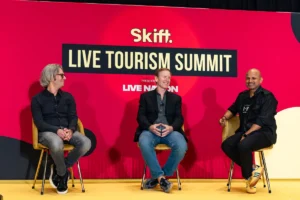
This tension is not unique to IHG. Joining Smith on the New York City panel was Alex Zeitz, Senior Director of Global Operations, Experience, and Belonging at Virgin Voyages, alongside prominent content creator Oneika Raymond and Skift Airlines Editor Gordon Smith. Discussions during the panel highlighted how cruise lines and airlines face similar operational hurdles. Virgin Voyages, known for its adults-only, rebellious cruise experience, has similarly found success by empowering creators to document the unscripted realities of life at sea, trusting that the brand’s core ethos will resonate through the creator’s unique lens rather than through corporate talking points.
Data and Market Dynamics Driving the Creator Economy in Travel
The pivot toward creator-led marketing is heavily supported by shifts in consumer trust and media consumption data. According to recent industry analyses by marketing analytics firms specializing in the travel and tourism sector, consumer trust in traditional advertising—such as television commercials, print ads, and banner displays—has continued a steady multi-year decline, particularly among Millennials and Generation Z travelers. Conversely, peer recommendations and content produced by trusted digital creators rank among the most influential factors in travel planning.
Furthermore, quantitative studies examining travel booking behavior reveal that engagement with creator-led video content significantly outperforms traditional digital display ads in driving direct-to-consumer bookings. A comprehensive report released by travel marketing research groups indicates that nearly 60% of leisure travelers aged 18 to 44 have booked a hotel, flight, or activity based directly on a recommendation from a social media creator they follow. This metric underscores why executives like Smith are willing to relinquish editorial control: the return on investment for authentic creator partnerships vastly outweighs the safety of sanitized corporate messaging.
The economic implications are equally substantial. Hospitality brands are reallocating significant portions of their annual marketing budgets away from traditional media buying agencies and toward dedicated creator partnerships, long-term ambassadorships, and co-branded content initiatives. This reallocation requires a fundamental restructuring of internal marketing departments, creating specialized roles focused on influencer relations, creator incubation, and community management.
Official Perspectives and Industry Implications
The consensus among travel industry leaders at the Skift Creator Summit points to several long-term implications for corporate branding strategies within global hospitality:
-
Decentralization of Brand Voice: Corporate marketing departments are transitioning from being sole content creators to acting as facilitators and curators of external storytelling. While core brand safety guidelines remain, the day-to-day articulation of what a brand feels like is increasingly delegated to third-party storytellers.
-
Redefining Brand Safety: Historically, brand safety meant avoiding controversy and maintaining absolute control over the visual environment. In the era of creator-led marketing, brand safety increasingly means transparency, responsiveness, and aligning with creators whose values mirror those of the target demographic, even if it means accepting a degree of unpredictability.
-
The Rise of Micro-Communities: Rather than aiming for broad, monolithic audience reach, hospitality brands are utilizing creators to target highly specific niche communities—whether wellness enthusiasts, solo luxury travelers, digital nomads, or family adventure seekers. This granular targeting allows major hotel groups to market individual properties or sub-brands with surgical precision.
Conclusion: A Permanent Transformation in Hospitality Marketing
The remarks made by IHG’s Connor Smith at the Skift Creator Summit encapsulate a milestone moment for the travel industry. Relinquishing creative control is an uncomfortable prospect for executives whose careers have been defined by protecting corporate identity and enforcing standardized brand guidelines. Yet, as the media ecosystem continues to fragment and consumer skepticism toward traditional advertising deepens, the willingness to let go has become a commercial necessity.
As hospitality giants navigate the latter half of the decade, the success of global hotel brands will no longer be measured solely by the uniformity of their corporate messaging, but by their ability to foster genuine connections through the diverse, decentralized voices of the creator community. The iPhone and the ring light have permanently altered the corporate boardroom, establishing a new standard where trust is earned not by the perfection of the brand, but by the authenticity of the messenger.