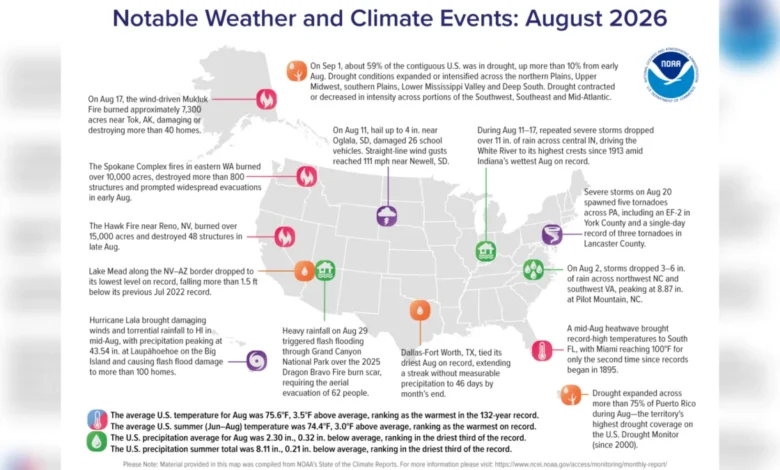
The meteorological data for the summer of 2026, released in a comprehensive report by the National Oceanic and Atmospheric Administration (NOAA), confirms that the period between June and August shattered previous thermal records. Temperatures across the contiguous United States climbed to 3 degrees Fahrenheit (1.67 degrees Celsius) above the long-term average, decisively surpassing the previous high-water mark set in 2021 by a significant margin. This surge in heat was not an isolated incident but part of a sustained climatic trend that culminated in August 2026 being identified as the single hottest August in recorded history.
A Chronology of Record-Breaking Heat
The progression of the summer season was characterized by a relentless climb in temperatures that impacted nearly every region of the lower 48 states. June began with localized heat anomalies, but by July and August, the heat dome effect had intensified, leading to systemic stress across the American Southwest, the southern Rockies, and the southwestern Plains.
By the time the month of August reached its conclusion, the average temperature for the month had hit 75.6 degrees Fahrenheit (24.2 degrees Celsius), which is 3.5 degrees Fahrenheit (1.94 degrees Celsius) above the 20th-century average. The geographical distribution of this heat was particularly acute in states such as Nevada, New Mexico, California, and Colorado, where daytime highs remained consistently above historic norms for weeks on end. Even Southern Florida, which typically benefits from oceanic cooling, saw record-breaking thermal spikes that placed significant strain on municipal power grids and water resources.
The Parched Landscape: A Multi-Front Climate Crisis
While the temperature data is alarming, it is inextricably linked to the broader issue of hydrological instability. The summer of 2026 was not only defined by its heat but also by its lack of moisture. The contiguous United States experienced its third-driest summer since national record-keeping began in 1895, with total precipitation falling 0.32 inches (0.8 centimeters) below the seasonal average.
This drought manifested as a widespread environmental emergency. By the onset of September, approximately 59.1% of the country was suffering under varying degrees of drought conditions. The impact was not confined to the arid West; significant portions of the upper Midwest and the Deep South reported severe soil moisture deficits. The situation in Puerto Rico was particularly dire, with over 75% of the island’s territory caught in drought, and nearly 40% categorized as experiencing "extreme drought."
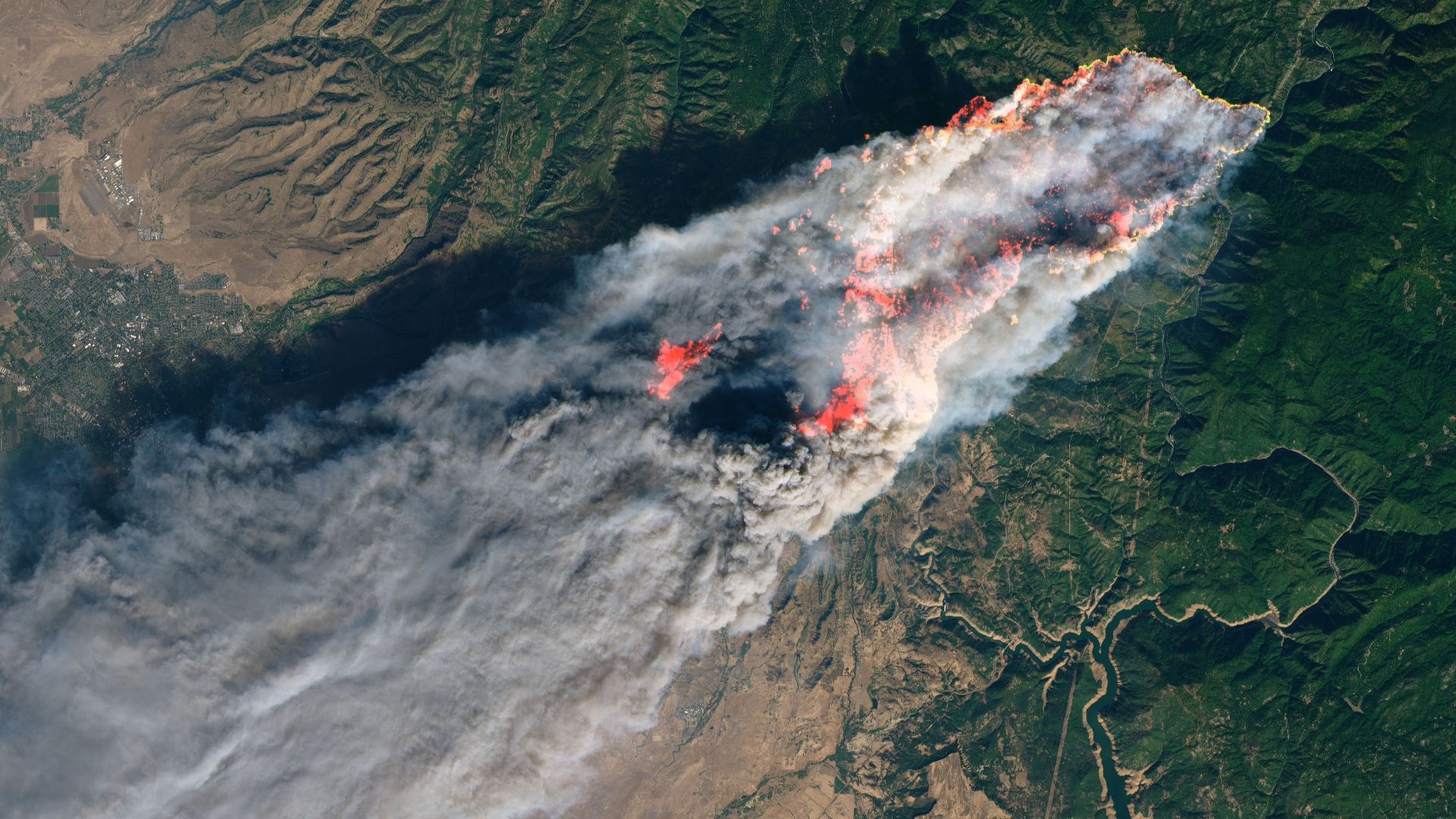
The dual reality of record heat and record dryness created a volatile environment for natural disasters. Arid conditions provided the necessary fuel for aggressive wildfire behavior, while high temperatures ensured that once a fire started, it could spread with unprecedented velocity.
Regional Impact and Disaster Manifestation
The environmental toll of this summer was characterized by a diverse array of weather-related catastrophes. In the Pacific Northwest, fires scorched over 10,000 acres in eastern Washington, with smoke and fire fronts migrating across state lines into Oregon. Nevada and Alaska also faced extended wildfire seasons, challenging the capacity of local and federal land management agencies.
The meteorological instability extended beyond heat and drought. South Dakota, for example, experienced extreme atmospheric turbulence, with wind gusts reaching 111 miles per hour (178.6 kilometers per hour), causing significant structural damage. Simultaneously, the Atlantic hurricane season demonstrated its capacity for destruction with the arrival of Hurricane Lala. The storm brought intense winds, torrential rainfall, and severe flooding to Hawaii, serving as a stark reminder that climate-induced disasters are not limited to heatwaves and droughts but include the intensification of convective storm systems.
Broader Implications and Scientific Context
The significance of these records extends far beyond mere meteorological trivia. Climate scientists argue that the 2026 summer data represents a clear signal of the long-term shifts in Earth’s atmosphere driven by anthropogenic greenhouse gas emissions. The concentration of carbon dioxide and other heat-trapping gases in the atmosphere has reached levels that continue to alter global weather patterns, leading to more frequent and intense extreme weather events.
The implications for the future are profound. As the planet warms, the "new normal" for American summers is expected to involve higher baseline temperatures, leading to a reduction in agricultural yields, increased health risks for vulnerable populations, and rising costs for disaster relief and insurance. Furthermore, the loss of glacial ice, as observed in regions like Greenland, contributes to sea-level rise, which threatens coastal infrastructure across the United States.
Analysis of Societal and Economic Vulnerability
The economic cost of the 2026 summer is still being tallied, but initial indicators suggest a massive burden on the American economy. The agricultural sector is particularly vulnerable, as sustained drought conditions during the critical growing months can lead to reduced crop yields and increased prices for consumers. Simultaneously, the energy sector is facing pressure to maintain grid stability as air conditioning usage hits all-time highs during heatwaves.
Urban centers are also forced to reconsider their architectural and urban planning strategies. The "urban heat island" effect—where concrete and asphalt retain heat, raising city temperatures—has become a public health priority. Municipalities are increasingly investing in cooling centers, tree canopy expansion, and improved emergency communication systems to protect citizens from the escalating risk of heat-related illnesses.
Official Responses and Future Outlook
While specific legislative responses to the 2026 record are ongoing, federal agencies like NOAA and the U.S. Geological Survey (USGS) continue to emphasize the importance of data-driven adaptation. The consensus among climate researchers is that even if global emissions were to be significantly curtailed tomorrow, the inertia in the Earth’s climate system suggests that we will continue to see the impacts of global warming for decades to come.
The projection for the remainder of the year is equally concerning. NOAA reports suggest that the drought conditions affecting much of the U.S. are likely to persist, further complicating wildfire mitigation efforts as we enter the autumn season. Fire management agencies are adapting their strategies to account for longer wildfire seasons, shifting away from historical models that assumed seasonal "cooling off" periods.
Conclusion: Navigating a Changing Climate
The summer of 2026 will likely be remembered as a tipping point in the public understanding of climate change. The combination of record-shattering temperatures, widespread drought, and a series of devastating natural disasters has moved the conversation from abstract scientific projections to immediate, lived experience.
As the nation moves into the fall, the data provided by the summer of 2026 serves as a stark warning. The interconnectedness of our climate systems means that a rise in temperature of just a few degrees is not a minor deviation, but a catalyst for widespread ecological and economic upheaval. Addressing these challenges will require a sustained, multifaceted approach that includes not only mitigation of greenhouse gas emissions but also robust adaptation strategies to protect the nation’s infrastructure, its environment, and the safety of its citizens in an increasingly volatile world. The record-breaking summer is a reminder that the window to manage these risks is narrowing, and the choices made today regarding energy, land use, and resource management will determine the resilience of the United States in the decades to follow.