The Evolution of Enterprise Search Visibility A Comprehensive Guide to Modern Rank Tracking Software

Enterprise search engine optimization has transitioned from a niche marketing tactic into a core business intelligence function, requiring sophisticated rank-tracking software capable of managing millions of data points across global markets. In the current digital landscape, enterprise-level tracking is no longer defined merely by monitoring keyword positions; it involves the granular analysis of AI-generated overviews, featured snippets, local map packs, and the integration of this data into broader corporate ecosystems like Customer Relationship Management (CRM) systems and Business Intelligence (BI) dashboards. As search engines evolve into "answer engines," the tools used by large-scale organizations must offer more than just data—they must provide actionable insights that drive multi-departmental strategy.
The Paradigm Shift in Search Intelligence
The requirement for enterprise-grade tools stems from the sheer complexity of modern web presence. Unlike small-to-medium businesses that may track a few hundred keywords, a global enterprise often manages hundreds of thousands, or even millions, of search terms across different languages, devices, and hyper-local jurisdictions. This scale necessitates a robust infrastructure that can handle high-frequency data refreshes and provide high-fidelity accuracy.
The emergence of Generative AI in search, such as Google’s AI Overviews (formerly SGE), has added a new layer of complexity. Modern software must now track not only where a website appears in the traditional "ten blue links" but also how often a brand is cited in AI-generated responses. This shift from Search Engine Optimization (SEO) to Answer Engine Optimization (AEO) represents a fundamental change in how visibility is measured and achieved.

A Chronology of Search Tracking Evolution
The history of rank tracking reflects the broader evolution of the internet and consumer behavior. Understanding this timeline is essential for comprehending why current enterprise requirements are so rigorous.
- The Early Era (1990s – 2005): Rank tracking was a manual process. SEOs would literally type queries into search engines and count the results. Tools were rudimentary, often simple scripts that "scraped" results, frequently leading to IP blocks from search engines.
- The Localization Era (2006 – 2012): With the rise of "near me" searches and Google Maps, tracking became geographic. Enterprises needed to know how they ranked in New York versus London.
- The Mobile-First Shift (2013 – 2018): As mobile traffic overtook desktop, tracking software had to split its reporting. A position-one ranking on a desktop no longer guaranteed the same visibility on a smartphone.
- The SERP Feature Explosion (2019 – 2022): Search Result Pages (SERPs) became "crowded" with featured snippets, "People Also Ask" boxes, and video carousels. Tracking "rank" became less important than tracking "pixel position"—the actual physical space a brand occupied on the screen.
- The Generative AI Era (2023 – Present): The introduction of Large Language Models (LLMs) into search engines has created a "zero-click" environment. Modern enterprise software must now track citations within AI responses and analyze the sentiment of those responses.
Technical Benchmarks for Enterprise-Grade Evaluation
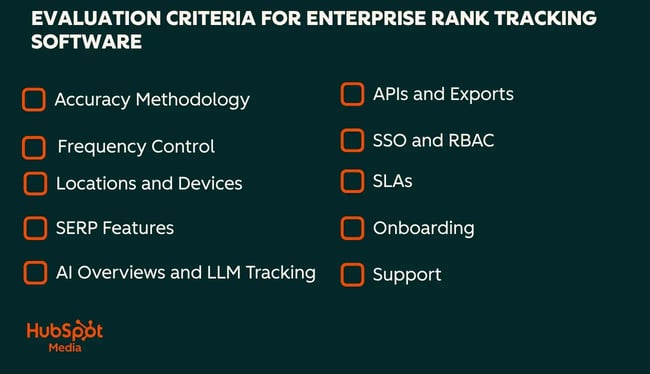
When organizations evaluate rank-tracking platforms, they must look beyond the user interface to the underlying data collection methodology. Industry analysts suggest several non-negotiable technical standards for the enterprise level.
Data Accuracy and Collection Methodology
Enterprises require transparency in how data is harvested. High-quality vendors typically use a sophisticated mix of residential proxies and dedicated data center IPs to avoid "personalization bias." This ensures that the rankings reported are what a neutral user sees, rather than results influenced by a specific browser’s history or a logged-in account. Organizations should demand methodology documents that detail how the software handles "dark" SERP features and localized results at the zip-code or coordinate level.
Frequency and Refresh Control
In high-stakes environments—such as retail during Black Friday or financial services during market volatility—daily updates are insufficient. Enterprise tools must offer on-demand or hourly refresh capabilities. This allows SEO teams to react in real-time to algorithm updates or competitor moves that could impact millions of dollars in potential revenue.
Governance, Security, and Access
Security is a primary concern for IT departments in large organizations. Enterprise SEO software must support Single Sign-On (SSO) and Role-Based Access Control (RBAC). This ensures that while a global SEO manager can see all data, a regional manager in Germany might only see data pertaining to the DACH region, maintaining data integrity and compliance with internal governance policies.
Leading Platforms in the Enterprise Ecosystem
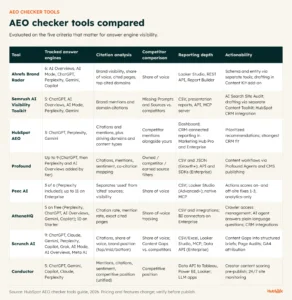
Several platforms have emerged as leaders in the enterprise space, each offering distinct advantages depending on an organization’s existing tech stack.
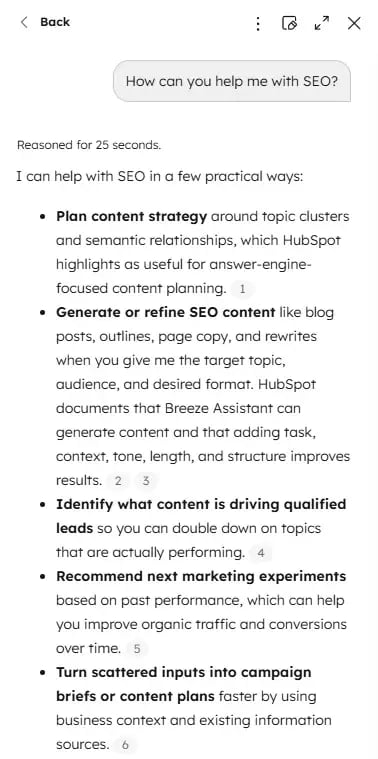
HubSpot’s Integrated SEO and Content Ecosystem
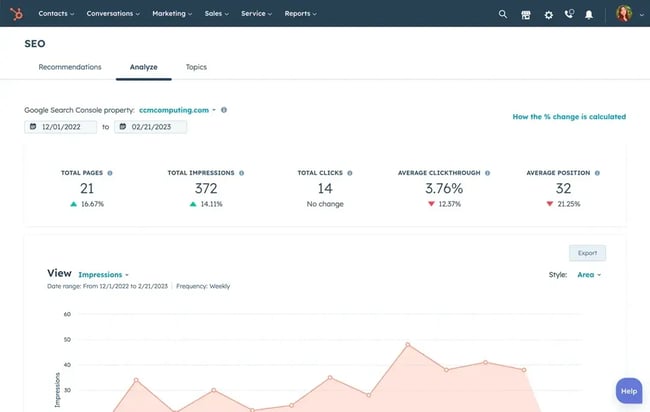
HubSpot has positioned itself as a leader for organizations that prioritize the unification of marketing and sales data. Its SEO Marketing Software, part of the Marketing Hub, allows teams to move away from data silos. By connecting keyword performance directly to the CRM, enterprises can see the exact path from a search query to a closed deal.
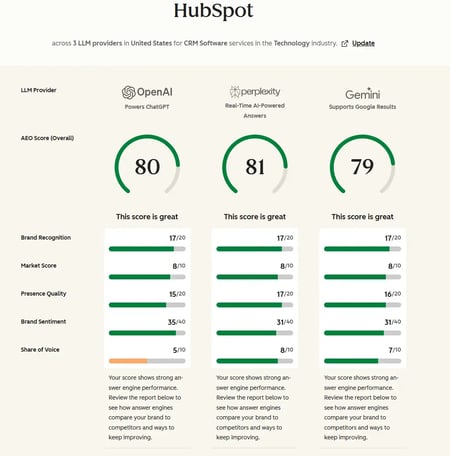
Furthermore, HubSpot’s Content Hub and AEO Grader provide a forward-looking approach to search. The AEO Grader, in particular, addresses the growing need to monitor brand sentiment across AI platforms like ChatGPT, Perplexity, and Gemini. Industry experts note that HubSpot’s strength lies in its "all-in-one" philosophy, reducing the friction of managing multiple third-party subscriptions.
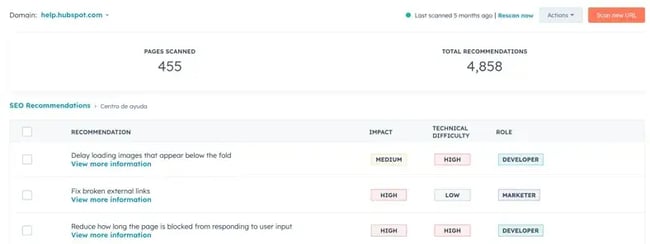
Semrush One and Technical Depth
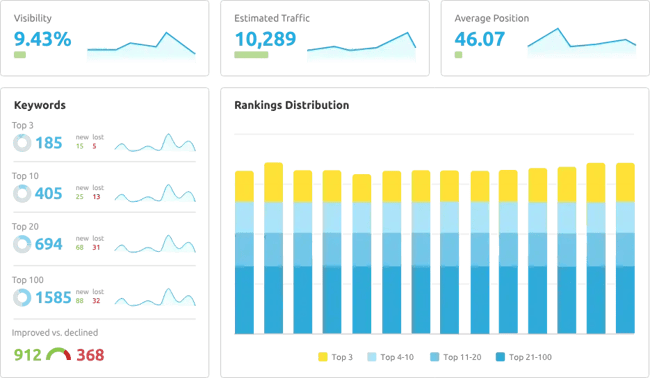
For teams that require deep competitive intelligence and technical auditing, Semrush One remains a gold standard. Its AI Visibility Toolkit is designed to bridge the gap between traditional SEO and the new era of "Generative Engine Optimization" (GEO). Semrush’s extensive database, which covers billions of keywords and trillions of backlinks, provides the "big data" backbone that large-scale technical SEO teams require for deep-dive analysis.
Profound and the AI-First Approach
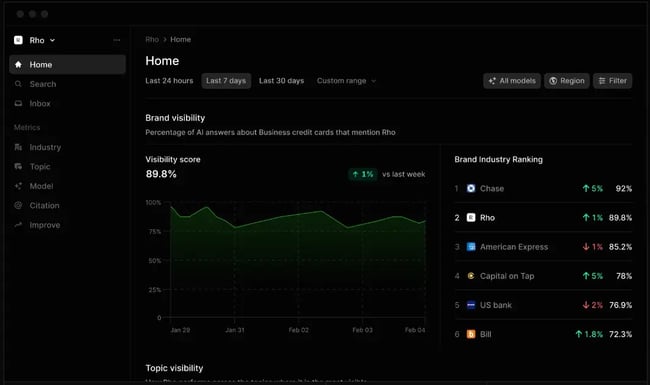
A newer entrant, Profound, focuses specifically on the AI visibility layer. Rather than treating AI as an add-on, Profound was built to help brands manage their narrative within LLMs. This is particularly relevant for PR and brand management teams within enterprises who are less concerned with "ranking" and more concerned with how an AI describes their products to a potential customer.

Supporting Data: The Impact of Search Volatility
The need for these tools is underscored by recent industry data. According to search volatility indices, the frequency of major Google algorithm updates has increased by nearly 50% over the last three years. In 2023 alone, there were multiple "Core Updates" that resulted in significant ranking shifts for major retailers and publishers.
Furthermore, Gartner has predicted a 25% drop in traditional search volume by 2026, as users migrate toward AI chatbots for information gathering. This data suggests that enterprises that do not adapt their tracking to include AI and "Answer Engines" risk losing visibility into a quarter of their potential audience within the next 24 months.
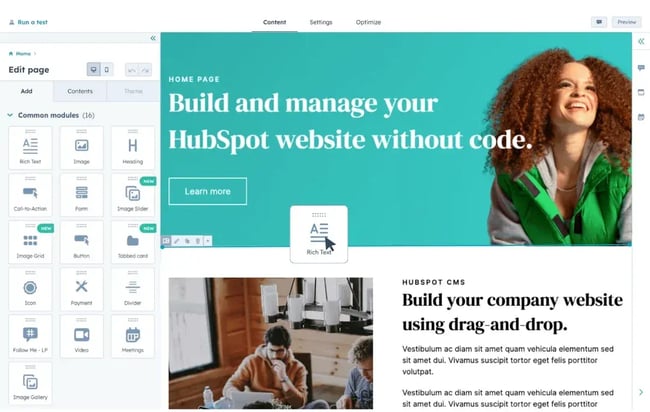
Strategic Implications and Competitor Analysis
At the enterprise level, tracking your own rankings is only half the battle. Organizations must employ "Share of Voice" (SoV) metrics to understand their market position. SoV measures the percentage of all available clicks for a keyword set that a specific domain captures.
Pixel Position and SERP Real Estate
Modern journalism in the tech sector has highlighted the concept of "SERP Crowding." Even if a company ranks at position one, they may be pushed "below the fold" by four paid advertisements and an AI Overview. Therefore, enterprise software must track "pixel height"—the distance from the top of the browser to the organic result. If a competitor is "owning" the top 500 pixels of a screen through featured snippets and ads, a company’s position-one organic rank may be functionally invisible.
Brand Protection and Affiliate Monitoring
Large corporations often face the challenge of affiliates or resellers outranking the main brand for its own trademarked terms. Enterprise rank tracking allows companies to monitor these "brand variants" and take action if a partner is cannibalizing high-intent traffic or driving up the cost of branded search ads.
Official Responses and Industry Sentiment
Market sentiment among Chief Marketing Officers (CMOs) reflects a growing urgency for better data integration. In a recent industry survey, 68% of marketing leaders at Fortune 500 companies stated that "data fragmentation" was their biggest hurdle to SEO success.
"We are moving past the era where SEO was a ‘black box’ department," says one industry analyst. "The C-suite now expects SEO data to be presented in the same format as sales or supply chain data. This is why the integration capabilities of tools like HubSpot and Semrush are becoming more important than the tracking itself."
Future Outlook: The Autonomous Search Department
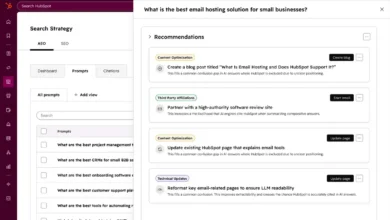
Looking ahead, the integration of AI within the rank-tracking tools themselves will lead to more "autonomous" SEO. We are entering an era where software will not only report a drop in rankings but will also automatically analyze the competitor that took the spot, identify the content gaps, and draft a recommended update for the content team.
As search engines become more conversational and personalized, the "rank" will become a fluid concept. The enterprises that succeed will be those that view rank-tracking software not as a simple monitor, but as a comprehensive search intelligence platform that informs every aspect of their digital presence. In this high-stakes environment, the choice of software is no longer a tactical decision for an SEO manager; it is a strategic investment for the entire organization.
Related posts: