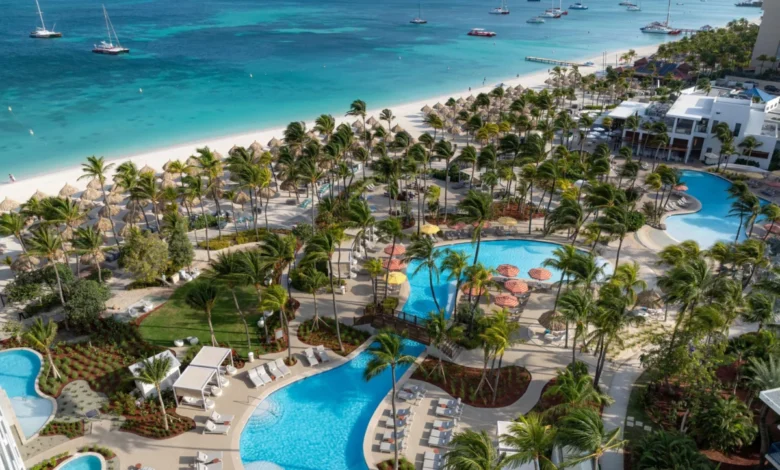
Aruba has long maintained its reputation as one of the most reliable and enduringly popular destinations within the wider Caribbean basin. Characterized by its powdery white-sand coastlines, luminous aquamarine waters, and a persistent trade wind that moderates the tropical heat, the island offers a dependable year-round climate that appeals to international travelers. Geographically positioned well below the traditional Atlantic hurricane belt, Aruba provides a sense of seasonal security that distinguishes it from many of its regional neighbors. Beyond its meteorological advantages, the island’s hospitality sector has evolved significantly over the past several decades, developing a diverse inventory of accommodations ranging from intimate low-rise boutique properties to expansive, luxury-branded all-inclusive resorts. This infrastructure, paired with a multicultural heritage that influences everything from local architecture to a dynamic culinary scene—blending Dutch colonial traditions with Caribbean flavors—has cemented Aruba’s status as a multifaceted destination capable of accommodating short weekend itineraries and extended holiday stays alike.
A Historical Overview of Aruba’s Tourism Evolution
The trajectory of tourism in Aruba over the latter half of the twentieth century reflects a broader regional shift from niche tropical exploration to master-planned, high-volume international travel. Prior to the 1950s, Aruba’s economy was predominantly driven by the petroleum industry, specifically the operations of the Lago oil refinery situated at the island’s southeastern tip. However, recognizing the limits of industrial dependency, local leadership and private investors began laying the groundwork for a hospitality industry in the mid-1950s, highlighted by the opening of the landmark Aruba Caribbean Hotel in 1959.
Throughout the 1970s and 1980s, the island systematically expanded its infrastructure, constructing international airport facilities, electrical grids, and water desalination plants to support a growing influx of visitors, primarily from North America and Europe. The closure of the refinery in 1985 accelerated this economic pivot, making tourism the foundational pillar of the island’s gross domestic product. In the decades that followed, Aruba transitioned from a sleepy outpost into a sophisticated destination. The 1990s and 2000s saw the emergence of major international hotel chains along the famed Palm Beach strip, introducing high-rise luxury concepts, while the low-rise district of Eagle Beach maintained a more intimate, community-integrated aesthetic. Today, the island welcomes over a million stay-over visitors annually, supported by a meticulously managed tourism strategy overseen by the Aruba Tourism Authority (ATA).
Geographic and Environmental Context of the Destination
Understanding Aruba’s resort landscape requires an appreciation of its unique geography and environmental preservation efforts. Encompassing approximately 69 square miles, the island is geographically arid, defined by desert-like terrain, monolithic diorite rock formations, and an abundance of indigenous flora, including divi-divi trees and various species of columnar cacti.
A critical milestone in the island’s modern history occurred in 2000 with the official establishment of Arikok National Park. Encompassing nearly 20 percent of Aruba’s total landmass, the park was created to safeguard the island’s fragile desert ecosystem, cultural heritage sites, and geological formations, including ancient limestone caves and secluded natural ocean pools along the rugged windward coast. This commitment to environmental stewardship provides a distinct duality for travelers: visitors can experience the highly developed, service-oriented resort districts on the leeward coast while remaining within a short drive of untouched, protected wilderness. This strict zoning and conservation ethos has allowed Aruba to manage population density and environmental degradation effectively, differentiating its tourism product from more densely built regional competitors.
Detailed Analysis of Aruba’s Accommodation Sectors
The lodging ecosystem in Aruba is broadly categorized into distinct geographic and conceptual tiers, each catering to specific traveler demographics and economic profiles.
The Palm Beach Corridor
Characterized by high-rise luxury hotels, Palm Beach represents the epicenter of commercial tourism on the island. Properties in this sector typically feature large-scale footprints, extensive swimming pool complexes, private beach access, multi-outlet dining programs, and comprehensive spa facilities. Major global hospitality brands dominate this corridor, offering standardized luxury alongside localized amenities. This district appeals primarily to families, corporate incentive groups, and travelers seeking the convenience of full-service resort operations within immediate walking distance of shopping malls, casinos, and nightlife venues.
The Eagle Beach and Low-Rise District
Situated just south of Palm Beach, the low-rise hotel zone centered around Eagle Beach offers a distinctly different architectural and atmospheric experience. By municipal regulation, buildings in this zone are restricted in height, preserving an open horizon line and a less congested coastal environment. Properties here often lean toward boutique luxury, timeshare communities, and low-density resorts that emphasize tranquility and landscape integration. Eagle Beach itself is consistently ranked among the finest beaches globally, known for its wide expanse of white sand and the iconic, wind-sculpted Fofoti trees. This area is favored by repeat visitors, mature travelers, and those seeking a quieter, more relaxed pace.
The Emerging Boutique and Alternative Lodging Market
In recent years, Aruba’s hospitality sector has experienced a diversification into the boutique and alternative lodging segments. Driven by shifting consumer preferences toward authentic, localized travel experiences, independent hoteliers and developers have introduced small-scale properties in historic neighborhoods such as San Nicolas—Aruba’s cultural capital located in the island’s southern region—and through the revitalization of traditional cunucu (rural) homes. These properties generally operate outside the traditional all-inclusive model, encouraging guests to engage directly with local culinary establishments, arts initiatives, and community-based tourism enterprises.
Economic Implications and Tourism Policy Trends
The continuous evolution of Aruba’s hotel sector carries significant economic implications for the island nation. Tourism accounts for the vast majority of Aruba’s GDP and foreign exchange earnings, making the performance and modernization of its hotel inventory vital to macroeconomic stability. In response to global economic fluctuations, climate change pressures, and shifting consumer demands, destination managers and industry stakeholders have implemented forward-looking policies.
A prominent trend within the contemporary Aruban tourism strategy is the intentional shift toward sustainability and regenerative travel. The Aruban government, in collaboration with the ATA and the Hotel and Tourism Association (AHATA), has enacted stringent regulations regarding single-use plastics, energy efficiency, and marine conservation. Major resorts across both the high-rise and low-rise districts have increasingly adopted green-building standards, invested in solar energy infrastructure, and partnered with local marine conservation organizations to protect offshore coral reefs.
Furthermore, economic resilience has become a central focus following global disruptions. Destination marketers have successfully promoted "workation" programs, inviting digital nomads and remote professionals to reside on the island for extended periods, thereby smoothing out traditional seasonal occupancy curves. This diversification of the visitor profile has prompted hoteliers to upgrade technological infrastructure, including high-speed fiber-optic connectivity and dedicated business centers, ensuring that properties remain competitive in the post-pandemic corporate and leisure landscape.
Industry Outlook and Future Developments
As Aruba looks toward the future, the island’s hospitality industry faces both opportunities and challenges. On the one hand, strong brand loyalty, geographic advantages outside the hurricane belt, and sustained airlift capacity from North American and European hubs ensure steady baseline demand. On the other hand, hoteliers must navigate rising operational costs, global inflationary pressures, and the imperative to balance visitor volume with environmental carrying capacity.
Future development is expected to prioritize quality over quantity, with new hotel projects emphasizing sustainable architecture, cultural integration, and wellness tourism rather than sheer room-count expansion. As travelers increasingly seek meaningful connections with the destinations they visit, Aruba’s blend of infrastructural reliability, natural conservation, and cultural diversity positions its hotel sector to remain a benchmark for Caribbean hospitality in the decades ahead.