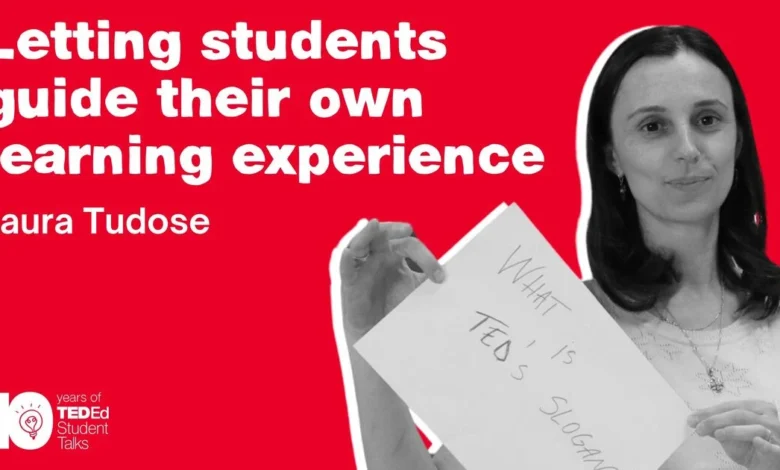
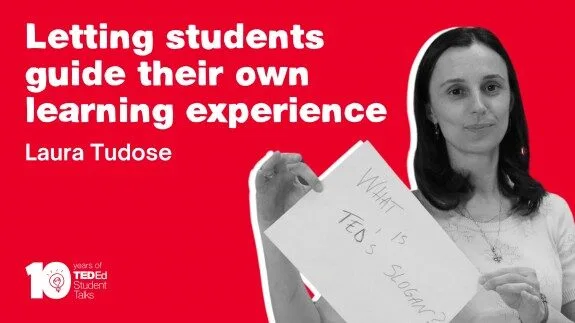
Since its inception in 2014, the TED-Ed Student Talks initiative has evolved from an experimental educational outreach program into a global pedagogical framework. Designed to empower students to identify, develop, and present their own ideas, the initiative has reached thousands of student groups worldwide. To mark the program’s ten-year milestone, the organization has launched the "10 for 10 years" series, a retrospective documentary project that captures the lived experiences of educators and facilitators who have integrated these resources into diverse cultural and academic landscapes. Among those recognized for their long-term commitment to the program is Laura Tudose, an English as a Second Language (ESL) instructor at the Miguel de Cervantes Bilingual High School in Bucharest, Romania, whose seven-year tenure as a facilitator offers a granular look at the program’s adaptability in rigid educational systems.
A Chronology of Engagement: From Classroom Tool to Cultural Hub
The integration of TED-Ed Student Talks into the Romanian secondary education landscape began in 2017. At the time, the administration at the Miguel de Cervantes Bilingual High School, which specializes in Spanish and English bilingual instruction, sought to move beyond the conventional lecture-based model. Initially, TED Talks were utilized as supplementary audio-visual materials within English language curricula. However, the school’s leadership identified a gap in student engagement—specifically, the need for a platform that fostered critical thinking and self-expression outside the constraints of standardized testing.
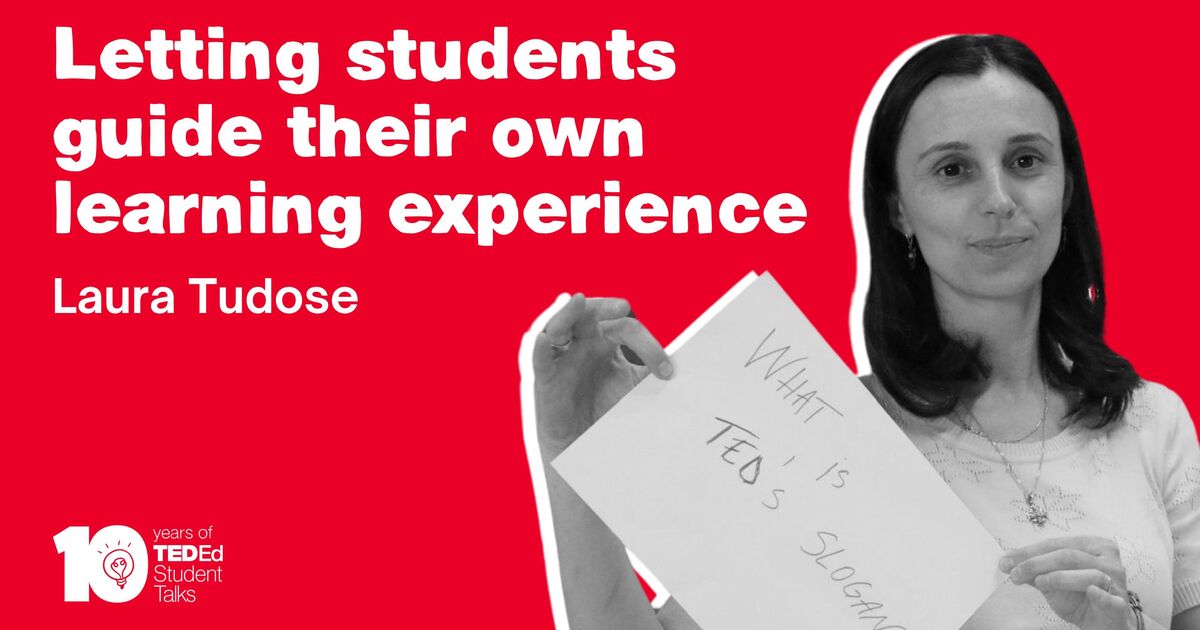
By 2017, the school formally adopted the TED-Ed framework. The early phase of implementation was characterized by a steep learning curve. Both educators and students, accustomed to the traditional, hierarchical structure of the Romanian educational system, had to recalibrate their approach to classroom dynamics. The transition required facilitators to shift from traditional instructors to mentors, allowing students to take ownership of the creative process. This period marked the beginning of a sustained community-building effort that has since seen consistent student retention rates, with approximately 80% to 90% of participants remaining in the program throughout their high school careers and often maintaining contact post-graduation.
The Pedagogical Framework: Encouraging Student Agency
The success of the TED-Ed Student Talks at Miguel de Cervantes lies in its departure from typical extracurricular structures like debate clubs, which are often governed by competitive mandates. In contrast, the TED-Ed program functions as a non-judgmental, collaborative environment. According to project facilitators, the methodology prioritizes the "Idea Journal"—a tangible, printed tool that serves as a chronological record of a student’s intellectual development.
Data from the program suggests that physical journaling is essential for cognitive retention, particularly in clubs that meet on a bi-weekly basis. By documenting their initial thoughts, research notes, and iterative feedback sessions, students are able to track their progress and avoid the pitfalls of digital distraction. This low-stakes, high-support environment allows students—ranging from high-achievers to those struggling with social anxiety—to develop communication skills, confidence, and empathy. The emphasis remains on personal discovery rather than the perfection of a performance, a distinction that has proven critical in fostering long-term participation.
Data-Driven Insights and Student Outcomes
Quantitative and qualitative outcomes from the Bucharest initiative indicate that the program serves as a catalyst for professional and personal development. One notable case study involves a student from the inaugural 2017 cohort whose presentation focused on the extinction of the blue parrot. This specific project transitioned from a classroom exercise into a sustained career path, with the student continuing her work as an environmental activist. Such longitudinal results highlight the program’s capacity to identify and amplify individual passions early in a student’s academic life.
The impact is not limited to individual success stories; the program has created a multi-generational community. By extending meeting locations beyond the physical confines of the school—such as hosting sessions in local cafes—the program has effectively blurred the lines between formal education and community engagement. This social integration is a hallmark of the "10 for 10 years" success stories, suggesting that the most successful educational interventions are those that provide students with a "third space" for socialization and intellectual exploration.
Official Perspectives and Program Evolution
Peter Maccario, Senior Community Manager at TED-Ed, notes that the "10 for 10 years" initiative is intended to highlight how facilitators navigate cultural barriers. In conversation with Tudose, the challenges of implementing a western-centric, open-ended pedagogical model in a traditionally "rigid" educational system were a primary focus.
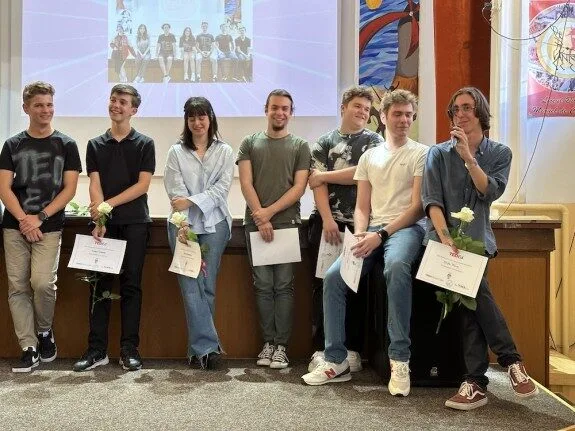
The findings from these discussions suggest that the primary obstacle to implementing such programs is not lack of student interest, but rather the internal resistance to shifting pedagogical roles. For teachers, this means moving away from the "instructor-as-the-expert" paradigm. For students, it means overcoming the fear of public speaking and the cultural pressure to conform to standardized expectations. Facilitators like Tudose emphasize that when educators provide a space that is devoid of judgment, students naturally gravitate toward leadership roles, effectively managing their own meetings and peer-mentoring younger participants.
Broader Implications for Secondary Education
The implications of the TED-Ed Student Talks model for global education are multifaceted. First, the program demonstrates the necessity of "soft skill" development in an era increasingly dominated by digital learning. Communication, critical thinking, and collaborative problem-solving are identified as the primary skills developed through these activities.
Second, the program underscores the importance of school-led initiatives that allow for student-led topics. When students select the subjects of their talks, they demonstrate higher levels of intrinsic motivation. This suggests that the current trend toward rigid, standardized curricula may be underutilizing the latent intellectual curiosity of the student body.
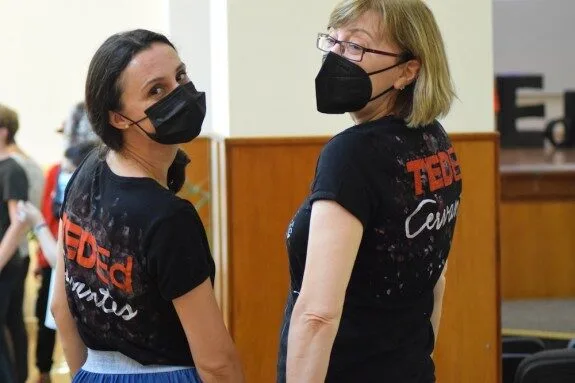
Finally, the success of the Bucharest model highlights the scalability of the program. By adapting the core TED-Ed resources to fit local cultural and linguistic contexts, educators can bridge the gap between regional educational requirements and global communication standards. As TED-Ed moves into its second decade, the focus is expected to remain on providing facilitators with the resources to cultivate these communities, with an increased emphasis on digital and physical hybrid models to ensure continuity.
Conclusion: A Legacy of Connection
The ten-year trajectory of the TED-Ed Student Talks program reveals a shift in how educators view the role of the student in the learning process. By treating students as autonomous creators of content rather than mere recipients of information, the program has fostered a decade of high-impact engagement. As illustrated by the experiences at Miguel de Cervantes, the program’s value extends far beyond the stage; it resides in the creation of a lasting community of practice where graduates continue to return, mentor, and share ideas.
As educational institutions worldwide look to modernize their approaches, the lessons learned from the "10 for 10 years" series provide a roadmap for creating environments that are both academically rigorous and human-centric. The core takeaway is clear: when provided with the right tools—a space for safe expression, a record of their intellectual journey, and the autonomy to lead—students are not only capable of articulating their ideas but are also eager to engage in a lifelong pursuit of learning and advocacy. The ongoing success of these groups serves as a testament to the fact that, when given the platform, students are prepared to contribute meaningful, well-articulated ideas to the global discourse.