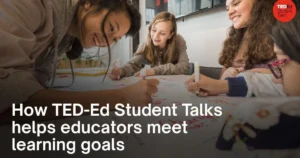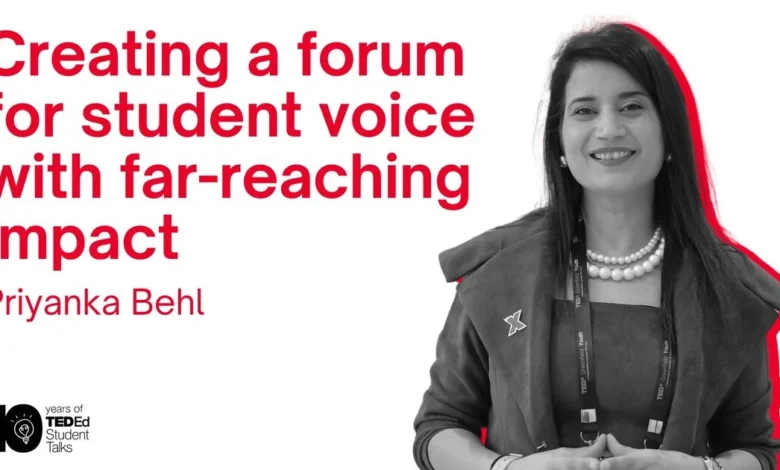
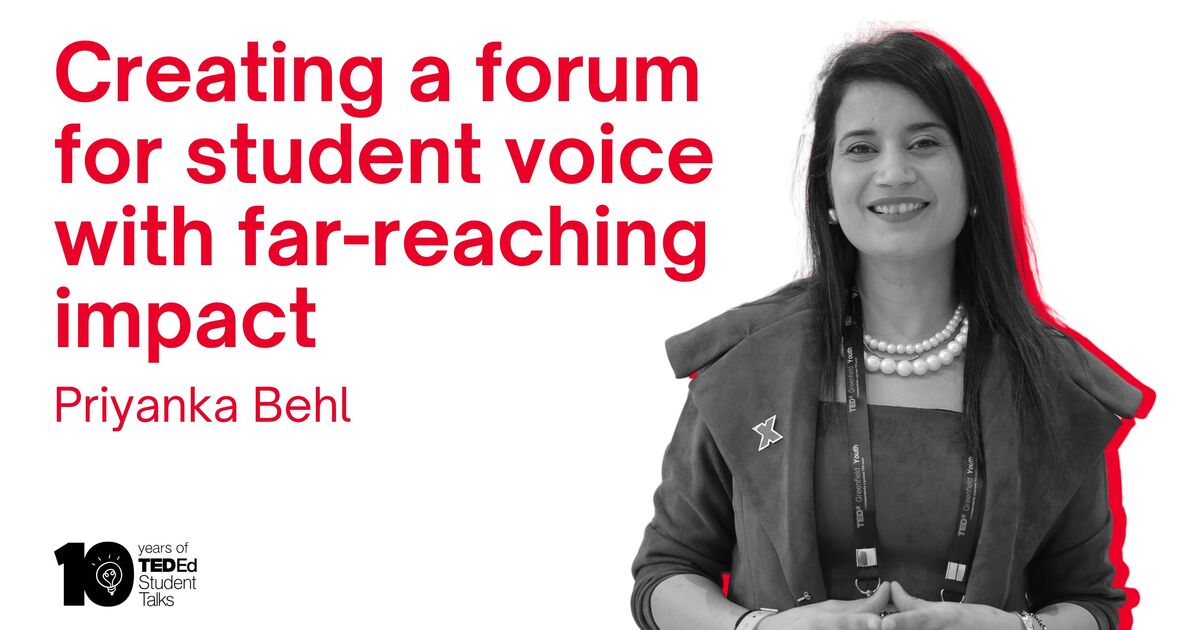
Since its inception in 2014, the TED-Ed Student Talks program has functioned as a global catalyst for youth empowerment, providing a structured framework for students to identify, develop, and present their ideas on a public stage. As the initiative marks its ten-year milestone, the organization is profiling key facilitators who have utilized the program to drive tangible social change. Among these educators is Priyanka Behl, a visionary leader at the Empower Kids Personality School, whose work exemplifies the transformative power of public speaking when integrated into community-based educational initiatives.
Empower Kids operates as a unique pedagogical hub, drawing students from 36 different schools into a unified after-school ecosystem. Beyond standard curriculum support, the organization maintains a social mandate through the Each One Teach One program, which bridges the educational divide by connecting students with underprivileged children who lack formal schooling. This model of peer-to-peer mentorship serves as the bedrock for the school’s implementation of TED-Ed Student Talks, turning the classroom into a laboratory for civic responsibility.
A Strategic Framework for Student Advocacy
The implementation of the Student Talks program at Empower Kids was not merely an extracurricular addition but a strategic intervention designed to address systemic educational gaps. Behl observed that while communication skills were essential for employability, students often lacked a platform to address complex societal issues. The program provided a safe, structured environment to navigate topics that are frequently sidelined in traditional classrooms, including gender inclusivity, caste-based social stratification, racial bias, and socialism.
By utilizing the TED-Ed workbook journals and research-based modules, facilitators helped students move beyond surface-level observations. The process encourages a "problem-solution" methodology: students are prompted to list issues they feel passionate about—often focusing on things they perceive as "hated" or unjust in their immediate environment—and then research evidence-based solutions. This approach has proven highly effective in fostering critical thinking, research proficiency, and, most importantly, leadership qualities.
From Classroom Discourse to Community Action
The practical impact of this pedagogy was perhaps best illustrated by a grassroots campaign against plastic waste. Following a student’s presentation on the environmental degradation caused by single-use plastics at celebrations, the student body took collective action. The school shifted to wheat-based cutlery for all events, a policy that was subsequently adopted across the 36 associated schools.
The implications of this change extended far beyond the campus. In many regions of India, stray cattle suffer from the consumption of plastic waste found in landfills, often leading to fatal complications. By curbing the use of non-biodegradable materials at the source, the students directly contributed to the welfare of local livestock. This initiative demonstrated that Student Talks are not merely academic exercises but instruments for real-world environmental and social stewardship.
The Evolution of the TEDxYouth Connection
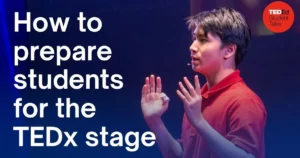
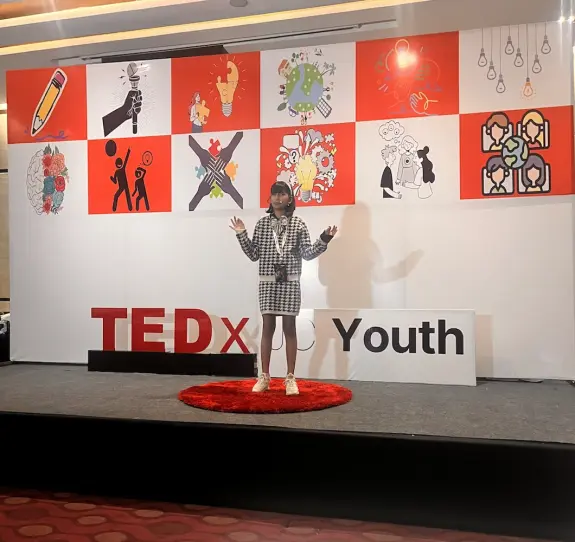
To amplify the reach of these student-led initiatives, Behl sought to leverage the global TEDx platform. While TED-Ed provides the foundational training, the acquisition of a formal TEDx license allowed the school to curate professional-grade speaker events. This transition was a logistical challenge, requiring the school to master event production—ranging from technical soundproofing and videography to sponsorship acquisition and audience management.
The shift to a formal TEDx format was driven by a desire to reach beyond the local community. By hosting these events and publishing the talks on digital platforms, the students’ messages were able to reach policymakers, educators, and global stakeholders with greater speed and efficiency. For these young speakers, the transition from a small classroom group to a globally accessible video format provides a sense of agency that is rare for their demographic. It validates their voices as legitimate contributions to the global discourse.
Data and Longitudinal Observations
The success of the program can be measured by three primary skill sets identified by facilitators: leadership, research literacy, and oratorical precision.
- Leadership and Adaptability: Students demonstrate a shift from self-focused learning to community-focused mentorship. As they move through the program, they take on responsibilities for organizing event logistics and supporting peers, fostering an environment of shared accountability.
- Research Literacy: The requirement to support ideas with empirical evidence encourages students to navigate academic databases, white papers, and historical documents. This process significantly narrows the gap between intuitive opinion and informed advocacy.
- Communication and Feedback Loops: The use of structured peer-review journals allows students to provide and receive constructive feedback. This cycle of continuous improvement is instrumental in refining their narrative delivery and persuasive techniques.
Addressing the Challenges of Facilitation
The journey of a facilitator is not without its hurdles. Behl notes that the primary challenges involve navigating the logistical complexities of event management and the emotional weight of guiding students through sensitive topics. Initial efforts often faced constraints related to funding and the technical knowledge required to host a professional event.
The partnership with the broader TED-Ed network proved vital in overcoming these obstacles. Through institutional support, training, and a growing repository of resources, the school was able to standardize its events. Furthermore, the role of the facilitator has undergone a personal evolution. Behl describes the process as a mutual learning experience, where the mentor is constantly challenged by the depth of insight provided by the students. This "student-centered" approach reinforces the idea that the facilitator is a steward of the process rather than the primary hero of the narrative.
Broader Implications for Global Education
The model pioneered by the Empower Kids Personality School offers a scalable blueprint for other educational institutions. By embedding public speaking into the core of community service, educators can transform passive learners into active agents of change. The success of the "10 for 10 years" series highlights a global trend: the movement toward student-led learning experiences that emphasize character development and social impact over rote memorization.
As the program enters its second decade, the focus remains on democratization. The accessibility of the TED-Ed resources ensures that even schools with limited financial resources can provide their students with a global platform. The core lesson of the past decade is that the constraints of geography and socio-economic status are secondary to the power of a well-articulated idea.
Conclusion and Future Outlook
The trajectory of the TED-Ed Student Talks program suggests that the appetite for youth-led advocacy is higher than ever. By providing the tools to research, articulate, and present, programs like these are bridging the "confidence gap" and ensuring that the next generation is equipped to address the complexities of the 21st century.
For those considering the path of a facilitator, the message is clear: the journey is one of self-exploration as much as it is a service to students. Whether it is through local community events or the global reach of the internet, the act of giving a voice to the voiceless remains a transformative endeavor. As Behl observes, the true impact of the program is found in the moment a student realizes that their voice has the potential to alter the narrative of their community. With the continued support of international frameworks, these localized sparks of innovation are increasingly becoming the foundation for a more informed and vocal global citizenry.