Deep Dive into the Odyssey: An Educational Guide to Homer’s Epic and the Mythology of Ancient Greece


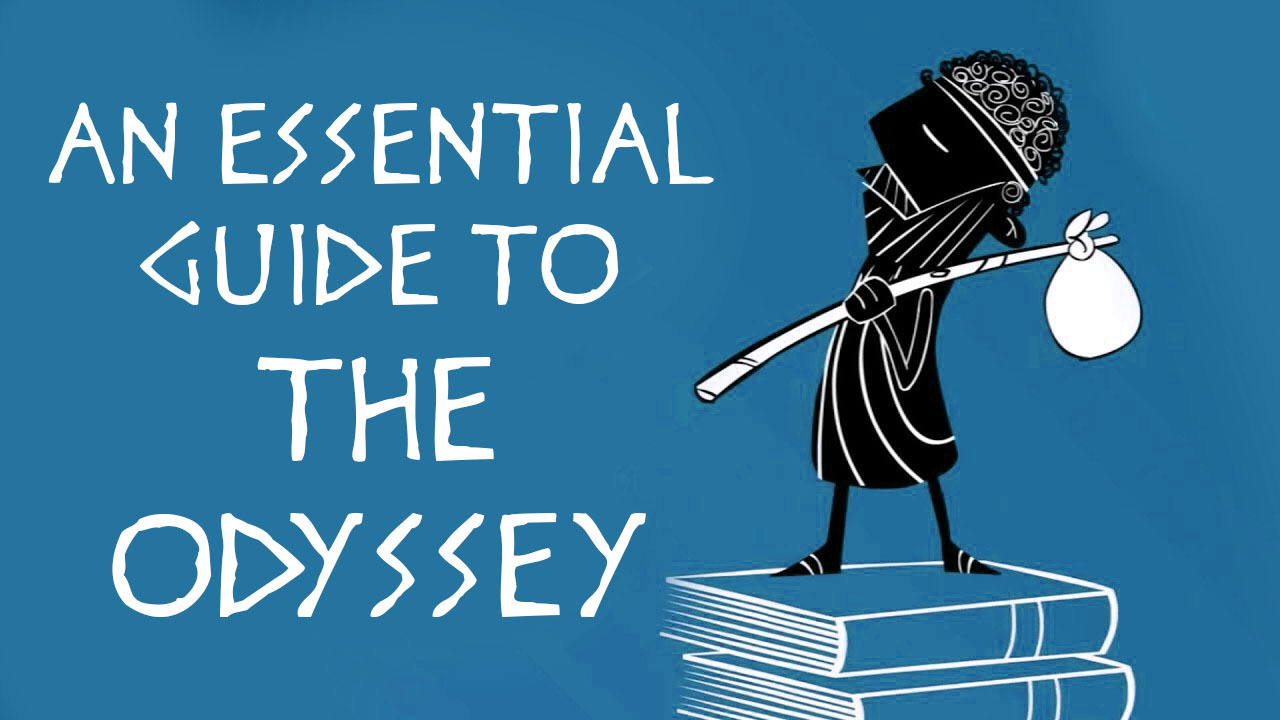
The Odyssey, attributed to the ancient Greek poet Homer, remains one of the most significant pillars of Western literature. Comprising approximately 12,000 lines of dactylic hexameter, the epic poem chronicles the ten-year voyage of the king of Ithaca, Odysseus, as he attempts to return home following the decade-long Trojan War. For contemporary readers, students, and historians, the narrative serves not only as a foundational work of epic poetry but as a lens through which to view the socio-political, religious, and cultural landscape of the ancient Mediterranean. To navigate the complexities of this massive text, educators and scholars have increasingly turned to digital multimedia resources, providing a multi-faceted approach to interpreting Homer’s work.
Historical Context and Literary Significance
The Odyssey was likely composed in the late 8th or early 7th century BCE, drawing upon a rich oral tradition that had persisted for generations. While the Iliad focuses on the final weeks of the Trojan War, the Odyssey picks up the thread of the aftermath, detailing the displacement of a warrior-king and the domestic instability of his kingdom.
The text is characterized by its "in media res" narrative structure, a technique that begins the story in the middle of the action—specifically, ten years after the fall of Troy. This narrative choice forces the reader to piece together the chronology of events, from the destruction of Troy to the wrath of the sea god Poseidon, which prevents Odysseus’s return. The poem’s endurance is attributed to its exploration of universal themes: hospitality (xenia), the endurance of the human spirit, the intervention of the divine, and the complexities of homecoming (nostos).
Chronology of the Trojan Epic Cycle
The events surrounding the Odyssey are part of a broader "Epic Cycle," a collection of poems that recount the history of the Trojan War. The chronological sequence is critical for understanding the motivations of the characters:
- The Origins: The abduction of Helen of Troy by Paris, prince of Troy, triggers the mobilization of the Greek forces.
- The Trojan War: A ten-year conflict characterized by the stalemate of the Greek siege and the ultimate use of the Trojan Horse as a tactical ruse.
- The Aftermath: Following the sack of Troy, the Greek heroes depart. Many, including Agamemnon and Menelaus, face significant trials on their return journeys.
- Odysseus’s Voyage: The primary focus of the Odyssey, spanning ten years of wanderings through mythical geographies, encountering figures such as Circe, the Cyclops Polyphemus, and the sirens.
- The Restoration: Odysseus returns to Ithaca, disguised as a beggar, to reclaim his throne from the suitors who have occupied his palace and harassed his wife, Penelope.
Scientific and Archaeological Perspectives
A frequent point of debate among historians is the historical veracity of the events described by Homer. Archaeological excavations at the site of Hisarlik in modern-day Turkey, spearheaded by Heinrich Schliemann in the 1870s, suggested that the city of Troy did indeed exist and suffered multiple phases of destruction. However, distinguishing between the historical reality of a Bronze Age conflict and the literary embellishments added over centuries of oral transmission remains a rigorous academic challenge.
Modern scholarship suggests that while the monsters and deities are clearly mythological, the geography of the Mediterranean and the navigational challenges faced by sailors in the ancient world may have provided the inspiration for Odysseus’s trials. Studies in geomorphology and ancient maritime technology indicate that the coastal routes described in the Odyssey align with known trade routes of the Mycenaean period, suggesting that Homer’s work serves as a repository of folk memories regarding early Greek exploration.
Notable Mythological Figures and Their Cultural Impact
The narrative of the Odyssey is deeply intertwined with the broader Greek pantheon. The role of the gods is not merely decorative; they serve as agents of fate and catalysts for human conflict.
- Laocoön and the Trojan Horse: The story of the priest Laocoön, who warned his fellow Trojans against the horse, is a poignant example of the tragedy inherent in the Epic Cycle. His punishment by the gods serves as a thematic reminder of the inevitability of the city’s destruction, a narrative trope often explored in classical art.
- The Underworld (Hades): In Book 11, Odysseus journeys to the underworld to consult the prophet Tiresias. This segment provides a critical look at the ancient Greek understanding of the afterlife, presenting it not merely as a place of punishment, but as a realm of reflection and historical remembrance.
- Achilles: As the central hero of the Iliad, the legacy of Achilles frames the struggle of the entire Greek military effort. His upbringing by the centaur Chiron and his eventual demise emphasize the intersection of mortality and divine lineage.
Educational Engagement and Modern Interpretations
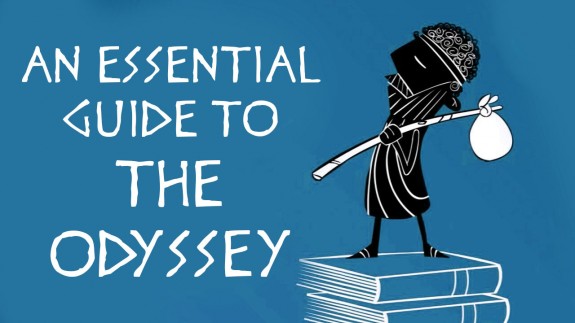
To bridge the gap between ancient text and modern audiences, educational platforms have utilized short-form video content to break down complex episodes. These visual aids offer a "crash course" for students, distilling the 12,000 lines into manageable, thematic discussions.
Experts in the field argue that these digital tools are essential for maintaining the relevance of classical literature in a digital-first educational environment. By focusing on specific myths—such as the tale of Baucis and Philemon, which highlights the importance of hospitality, or the scientific investigation of the Trojan War’s reality—educators can provide a holistic view of the ancient world. These resources effectively transform the Odyssey from a static historical document into a dynamic subject of study that continues to inform modern storytelling.
Broader Implications and Legacy
The legacy of the Odyssey extends well beyond the classroom. Its influence is visible in Western literature, from James Joyce’s Ulysses to contemporary cinematic adaptations. The themes of the "long journey home" and the "trickster hero" have become archetypes that underpin much of modern Western narrative structure.
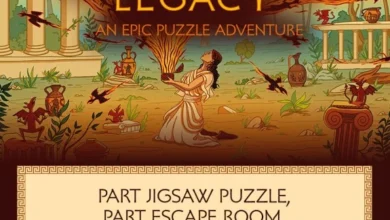
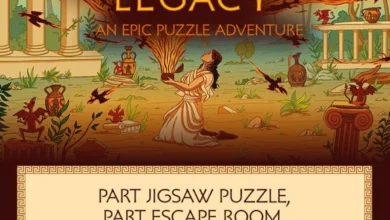
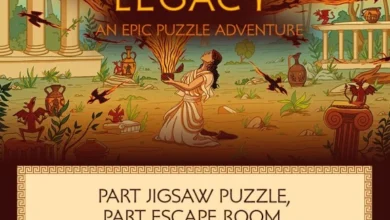
Furthermore, the integration of gaming and interactive media, such as "Pandora’s Legacy," represents a shift in how classical mythology is consumed. By gamifying the narratives of the Olympians and their trials, the cultural significance of these myths is preserved for younger generations who may not have engaged with the original text otherwise. This evolution of the material reflects a broader trend in the humanities: the movement toward interactive and participatory learning.
Conclusion: A Continuing Journey
The Odyssey is not a finished story but a perpetual one. As archaeologists continue to uncover evidence in the Troad, and as scholars apply new linguistic and historical methodologies to Homer’s poems, our understanding of the text evolves. The value of this epic lies in its capacity to hold a mirror to the human condition, reflecting our fears of the unknown, our desire for home, and our struggle against forces—both divine and natural—that are beyond our control.
For the modern reader, the poem remains an essential entry point into the ancient world. Whether through the lens of history, geography, or myth, the journey of Odysseus remains one of the most compelling narratives in human history, proving that even after three millennia, the siren song of the Odyssey remains as potent as ever. The continued academic and popular interest in these stories ensures that the foundations of Greek literature will continue to be a primary reference point for intellectual and creative discourse for years to come.