The State of the 2026 New York City Rental Market
The New York City rental market in July 2026 is grappling with a confluence of factors that have driven median rents in Manhattan to unprecedented levels. According to recent market reports, the scarcity of available units has led to a phenomenon where standard listings attract lines of applicants spanning city blocks, often resulting in bidding wars that drive final lease agreements significantly above the asking price.
This volatility is exacerbated by broader urban challenges. The city is currently navigating a series of public health and environmental concerns, including localized outbreaks of Legionnaires’ disease in the Upper East Side and air quality alerts triggered by seasonal wildfires. Furthermore, the logistical strain of the 2026 World Cup has impacted transit and short-term housing availability, placing additional pressure on the long-term rental sector. In this climate, the "fantasy" element of real estate increasingly refers to the rare find that balances aesthetic appeal with functional living space.
Manhattan Analysis: The West Village and Beyond
The West Village remains the epicenter of high-end rental demand, characterized by its historic architecture and celebrity density. A notable entry in the current market is a four-bedroom duplex located at 512 Hudson Street, listed at $14,500 per month. Positioned just a half-block from the West Side Highway, the property exemplifies the premium placed on private outdoor space, featuring a landscaped garden. The duplex’s proximity to 160 Leroy Street—home to high-profile residents such as Justin and Hailey Bieber—highlights the neighborhood’s status as a premier enclave. For a growing demographic of high-net-worth individuals or groups of young professionals, such a listing represents the upper echelon of the "roommate" model, breaking down to approximately $3,625 per occupant.
Further into the West Village, the demand for smaller units is equally intense. At 70 Barrow Street, a studio apartment is currently listed for $3,795. The building is renowned for its historic façade, and the unit’s oversized windows are a significant draw in a market where natural light is often sacrificed for density. Nearby, at 396 Bleecker Street, a "hobbit-style" attic studio is seeking $4,995 per month. While the price point for a studio is aggressive, the inclusion of a private garden and the unique architectural character of the attic space cater to a niche market of tenants with significant financial backing.
In the luxury tier, 61 Perry Street features a carriage house listed at $12,000 per month. Carriage houses remain some of the most sought-after typologies in New York City due to their privacy and historical rarity. Conversely, more "standard" offerings, such as a studio at 323 West 4th Street for $3,550, demonstrate that the floor for entry-level luxury in the district has effectively solidified above the $3,500 mark.
Brooklyn’s Evolution: Brownstones and Industrial Conversions
The Brooklyn rental market continues to see rapid appreciation, particularly in neighborhoods like Bed-Stuy, Bushwick, and Gowanus. The trend of "brownstone duplexes" remains a primary driver for families and professional groups seeking more square footage than Manhattan can provide at similar price points.
In Bed-Stuy, 380 Herkimer Street offers a three-bedroom duplex for $6,650. The property is a prime example of the "preservation-meets-modernization" trend, featuring original moldings and hardwood inlays alongside contemporary kitchen and bathroom updates. This balance of pre-war charm and modern utility is a key selling point in the 2026 market.
The neighborhood of Bushwick presents a different aesthetic, leaning into its industrial roots. A new build at "One Fifty" Melrose Street is listed at $3,700 for a one-bedroom unit. The building utilizes a concrete-heavy, industrial design language that has become polarizing among residents. While some find the aesthetic "creepy" or cold, others are drawn to the integrated amenities, including co-working spaces and on-site storage, which have become essential for the post-pandemic workforce.
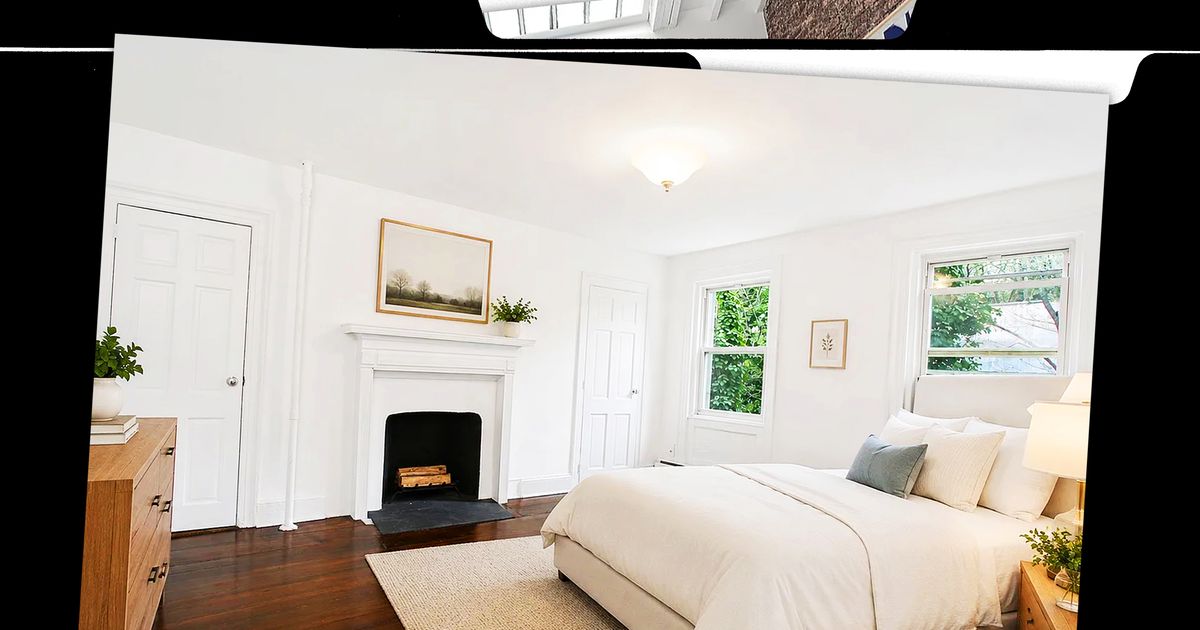
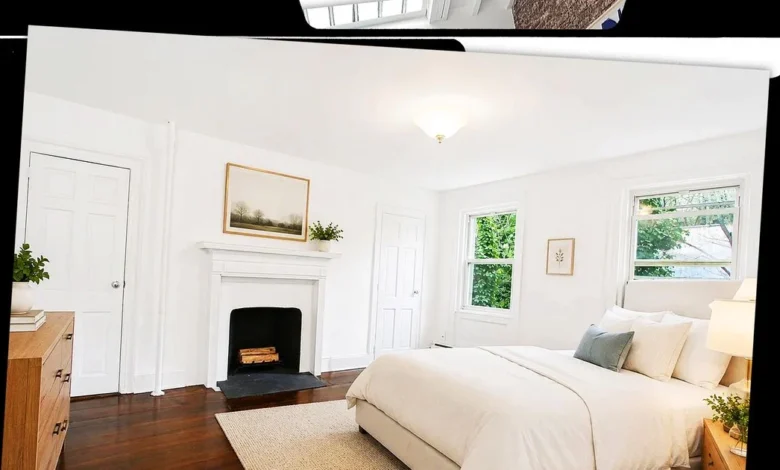
In Gowanus and surrounding areas, the premium for outdoor space is evident at 441 Union Street, where a one-bedroom apartment with wide floorboards and a private terrace is listed for $4,700. This pricing reflects the ongoing transformation of the Canal-adjacent corridor into a high-end residential hub.
Upper Manhattan and the Collegiate Influence
As the fall semester approaches, the neighborhoods surrounding Columbia University and City College are seeing a surge in "group-friendly" listings. At 189 Claremont Avenue, a three-bedroom pre-war unit is listed for $4,595. Featuring classic elements like a claw-foot tub, the unit is positioned as an ideal residence for the "Class of 2030" and other incoming students.
Further north in Washington Heights and Hudson Heights, inventory remains slightly more accessible but is not immune to the citywide price hikes. A four-bedroom unit at 1460 St. Nicholas Avenue is currently listed for $4,700, offering a level of spaciousness rarely found in lower Manhattan. Meanwhile, a one-bedroom at 86 Laurel Hill Terrace for $2,450 represents one of the few remaining options for individuals seeking a "pre-war good" aesthetic under the $2,500 threshold.
Chronology of the Current Leasing Cycle
The current state of the market is the result of a multi-year trajectory that began with the post-2020 recovery.
- June 2024 – June 2025: Rental prices began to stabilize after a period of extreme growth, but inventory remained at historic lows (below 2% in many neighborhoods).
- January 2026: A surge in corporate return-to-office mandates led to a winter "rush," preventing the usual seasonal price drops.
- May 2026: The announcement of localized health alerts (Legionella) in Manhattan caused a temporary shift in interest toward Brooklyn and Queens, though prices in Manhattan did not soften.
- June 2026: The start of "Moving Month" saw a 15% increase in listing views compared to the previous year, coinciding with the influx of visitors for the World Cup.
- July 2026 (Present): The market enters its most competitive phase, with the West Village and Bed-Stuy reaching new peaks in price-per-square-foot.
Data Points: The Economic Reality
Current data from the Department of Housing and Urban Development (HUD) and private analytics firms suggest that the average New York City renter is now spending approximately 40% to 50% of their gross income on housing. In high-demand sectors like the West Village, this ratio is often higher unless tenants utilize the roommate model.
| Neighborhood | Unit Type | July 2026 Asking Price |
|---|---|---|
| West Village | 4BR Duplex | $14,500 |
| West Village | Studio | $3,795 – $4,995 |
| Bushwick | 1BR (New Build) | $3,700 |
| Bed-Stuy | 3BR Duplex | $6,650 |
| Lower East Side | 3BR (Renovated) | $6,000 |
| Washington Heights | 4BR | $4,700 |
Reactions and Implications
Housing advocates and urban planners have expressed concern over the "roommate-ization" of the city. As three- and four-bedroom units are increasingly occupied by groups of high-earning professionals rather than families, the social fabric of neighborhoods like the West Village and Bed-Stuy continues to shift.
Real estate analysts suggest that the current price levels are likely to hold through the end of the 2026 World Cup. "We are seeing a market that has decoupled from traditional wage growth," says one market strategist. "The demand is being driven by a global pool of applicants, many of whom are willing to pay a ‘lifestyle tax’ to be in specific Manhattan and Brooklyn corridors."
The prevalence of "custom built-ins" and "refurbished wood" in listings like 141 Attorney Street ($6,000 for a 3BR) indicates that landlords are investing in aesthetic upgrades to justify these higher rents. However, the presence of features like sliding barn doors—often criticized by design purists—suggests a rush to renovate that may not always align with the long-term architectural integrity of the buildings.
Future Outlook
As the city moves toward the final quarter of 2026, the focus will likely shift to whether the current inventory can sustain the needs of the city’s essential workforce. While the "West Village Fantasy" remains attainable for those with significant capital, the broader market remains in a state of high-pressure equilibrium. For the average New Yorker, the strategy for the remainder of the year involves a trade-off between location, square footage, and the ever-increasing cost of residency in the world’s most competitive rental market.