New University of Tsukuba Study Reveals Caffeine Boosts High-Intensity Sprint Performance and Power Output for Over Three Hours

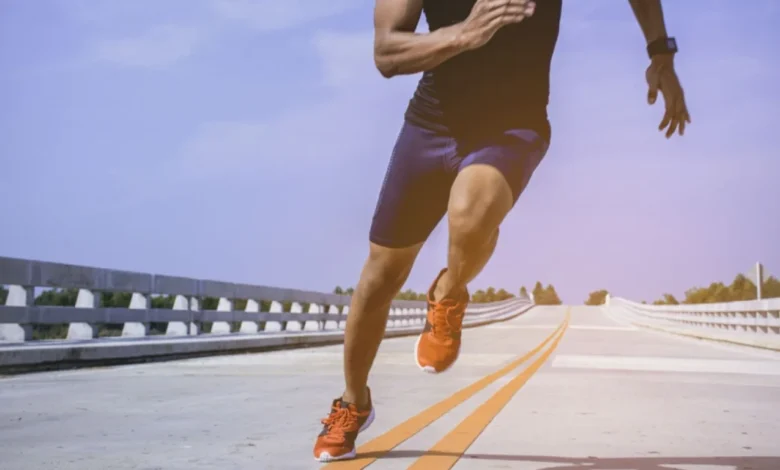
Caffeine remains the single most extensively consumed psychoactive substance on a global scale, embedded deeply into the daily routines of billions through coffee, tea, specialized energy drinks, and athletic supplements. Despite its ubiquitous presence, athletes, trainers, and fitness enthusiasts have long debated a fundamental question regarding athletic optimization: What is the exact optimal timing for caffeine consumption to achieve peak physical performance during high-intensity competition or rigorous training sessions? For years, conventional sports nutrition advice suggested a narrow window of efficacy, assuming that pre-workout supplementation peaked quickly and diminished within ninety minutes to two hours. However, a comprehensive new study conducted by researchers at the University of Tsukuba in Japan challenges this long-held paradigm, demonstrating that a single, strategically timed pre-exercise dose of caffeine can significantly enhance high-intensity sprint performance and sustain elevated power output for a minimum of three and a half hours.
The findings, published in the prestigious journal Medicine & Science in Sports & Exercise, provide actionable insights for athletes engaged in sports requiring repeated bursts of maximal effort, such as soccer, basketball, cycling, track and field, and high-intensity interval training (HIIT). While the ergogenic—or performance-enhancing—properties of caffeine have been documented in sports science literature for decades, the Tsukuba study provides unprecedented granular data regarding its prolonged pharmacokinetics and its dual impact on both physiological markers and subjective perceptions of fatigue during extended physical exertion.
To investigate the temporal dynamics of caffeine on athletic endurance and power generation, the research team designed a rigorous, randomized, double-blind, placebo-controlled trial. The study enrolled 12 healthy young adults, meticulously controlling for variables such as habitual caffeine intake, diet, and physical activity levels prior to testing. Each participant completed two distinct experimental trials separated by a washout period: one involving the ingestion of caffeine, and the other involving an inert placebo.
The administration protocol utilized a substantial yet physiologically relevant dosage tailored to individual body composition: 5.5 milligrams of caffeine per kilogram of body weight. To contextualize this quantity for the average consumer, a 150-pound (approximately 68-kilogram) individual would ingest roughly 374 milligrams of caffeine. This amount is roughly equivalent to consuming nearly four standard eight-ounce cups of drip coffee, or a concentrated pre-workout supplement.
Following ingestion, participants rested for approximately sixty minutes—the standard window required for caffeine to reach peak concentration within the human bloodstream—before initiating a demanding protocol of repeated-sprint cycling tests. The exercise protocol was specifically structured to simulate the physiological demands of intermittent, high-intensity sports. It spanned a total duration of 3.5 hours, featuring three distinct sprint sets. Each set commenced with an initial five-minute period of moderate-intensity cycling to elevate core temperature and prime the cardiovascular system, immediately followed by a series of six maximal-effort, 5-second sprints interspersed with brief recovery intervals.
The empirical results of the trial demonstrated remarkable consistency across all repeated sprint sets throughout the extended testing timeline. When compared directly against the placebo trials, caffeine supplementation yielded a statistically significant increase in mean sprint power, ranging from 0.5% to 2.4%. Crucially, these performance enhancements were not fleeting; the measurable benefits remained entirely evident even during the final testing block, exactly 3.5 hours after the initial caffeine ingestion. Furthermore, peak power metrics exhibited even greater improvements during the second and third sets, with localized surges reaching up to 3.7% above baseline placebo conditions.
These outcomes carry profound implications for sports pharmacokinetics. The research team noted that the study did not observe caffeine wearing off at the 3.5-hour mark; rather, the data simply confirmed that the performance benefits were robustly present at the final observation point of the experimental design. This indicates that the ergogenic window for high-dose caffeine may extend even further than previously documented, offering prolonged physiological support for athletes competing in prolonged tournaments, multi-stage events, or extended training blocks.
The observed performance gains in the Tsukuba study were not merely mechanical; they were accompanied by profound and multifaceted physiological and neurological shifts within the human body. Sports scientists analyzing the trial data pointed to a complex interaction between the central nervous system, hormonal regulation, and subjective pain perception.
Following the high-intensity sprint efforts, blood plasma analyses revealed significantly elevated concentrations of noradrenaline (also known as norepinephrine) in participants who received caffeine compared to those who received the placebo. This surge in circulating catecholamines serves as a definitive biochemical marker of heightened sympathetic nervous system activity—colloquially known as the "fight or flight" response. This autonomic activation primes the cardiovascular and musculoskeletal systems for explosive physical output, increasing cardiac contractility, enhancing blood flow distribution to active skeletal muscles, and mobilizing energy substrates.
Simultaneously, psychological and subjective metrics revealed a fascinating disconnect between physical output and perceived exertion. Throughout the rigorous cycling trials, participants who ingested caffeine reported significantly lower ratings of perceived exertion and notably reduced levels of leg muscle pain during high-intensity efforts. In the realm of exercise physiology, the subjective feeling of discomfort—often mediated by the accumulation of metabolic byproducts such as hydrogen ions and lactate—serves as a primary limiter of human performance, prompting the brain to voluntarily curtail muscular effort to prevent homeostatic collapse.
By acting as an adenosine receptor antagonist in the central nervous system, caffeine blocks the neurotransmitter adenosine, which typically promotes sleepiness and amplifies pain signals. This central blockade effectively dulls the perception of effort and discomfort. Consequently, athletes are mentally and physically equipped to sustain higher power outputs and endure greater physiological stress while experiencing less subjective distress.
Beyond hormonal and perceptual shifts, the Tsukuba study incorporated advanced tracking of cardiovascular and cerebral responses, offering a comprehensive view of systemic adjustments. Researchers observed that caffeine consumption elevated resting and active heart rates while altering respiratory variables. Interestingly, the study also recorded a reduction in middle cerebral artery blood velocity (MCAV mean), which serves as a sensitive index of cerebral blood flow regulation during intense exertion. While the precise neurological mechanisms governing this cerebral vascular response require further investigation, researchers hypothesize that it reflects an optimized efficiency in central nervous system oxygenation and metabolic regulation during high-stress states.
The publication of these findings has prompted sports nutritionists, conditioning coaches, and sports medicine practitioners to reevaluate how athletes integrate caffeine into their pre-competition regimens. Translating this empirical data into a practical, everyday fitness routine necessitates a high degree of individualization, as human metabolism, enzyme activity (specifically the CYP1A2 gene responsible for caffeine metabolism), and physiological tolerance vary wildly across the population.
Because anhydrous caffeine and dietary coffee require approximately forty-five to sixty minutes to reach peak plasma concentration, scheduling intake prior to warm-ups remains a critical strategy. However, given that the Tsukuba study confirmed sustained ergogenic benefits extending past the three-hour mark, athletes no longer need to panic about a rapid performance crash if their event runs longer than anticipated. For events lasting multiple hours—such as cycling road races, tennis matches, soccer tournaments, or long-distance endurance competitions—a single pre-exercise dose timed an hour prior to kickoff or the starting whistle can provide sustained physiological support through the final minutes of competition.
Nevertheless, experts emphasize that strategic timing must be paired with careful dosage management to avoid diminishing returns or adverse health consequences. Exceeding optimal thresholds does not yield infinite performance gains; rather, excessive consumption frequently precipitates counterproductive side effects.
While caffeine is universally recognized as a potent, legal, and effective ergogenic aid, sports medicine professionals stress the importance of a balanced, cautious approach. Ingesting massive doses without prior adaptation can trigger severe physiological drawbacks, including acute gastrointestinal distress, jitteriness, neuromuscular tremors, tachycardia (abnormally rapid heart rate), elevated blood pressure, and heightened anxiety.
Furthermore, the prolonged half-life of caffeine—which typically ranges from three to seven hours depending on genetic factors and liver enzyme efficiency—poses significant challenges for sleep hygiene. Consuming high-dose caffeine late in the afternoon or evening to fuel a post-work training session can severely disrupt sleep architecture, suppressing slow-wave sleep and rapid eye movement (REM) sleep. Because optimal recovery, muscle protein synthesis, and cognitive consolidation occur almost exclusively during deep sleep phases, chronic sleep disruption induced by mistimed caffeine intake can ultimately undermine athletic development, impair immune function, and lead to overtraining syndromes.
As sports science continues to decode the complex relationship between nutritional supplementation and human performance, studies like the one conducted at the University of Tsukuba offer invaluable guidance for athletes seeking legitimate, evidence-based competitive edges. By understanding the extended pharmacokinetic profile of caffeine—recognizing that its power-boosting and pain-dulling effects can endure for three and a half hours or more—exercisers can better time their intake, optimize their physiological output, and achieve peak performance while safeguarding their long-term health and recovery.
Related posts: