Jackie Shroff, Sharad Kelkar and Neha Sargam to star in rural horror film Kaali Kheti set for October 23 release

The Indian film industry is witnessing a significant surge in the production of high-concept regional horror cinema, a trend that is now being headlined by veteran actor Jackie Shroff alongside a formidable ensemble cast. The upcoming feature film Kaali Kheti has officially secured a domestic theatrical release date of October 23, positioning itself as a key title in the late-autumn cinematic calendar. Directed and written by Haris Imtiyaz Khan, the project has been developed under a veil of relative secrecy, with production managed by BlackCanvas Studio in strategic association with Zeroland Production.
Beyond the headlining presence of Shroff, the film features a robust cast including Sharad Kelkar, Neha Sargam, Virendra Saxena, and Shaji Choudhary. While the marketing campaign has been deliberately restrained to preserve the film’s narrative mysteries, the announcement of its release date has confirmed that the production team is prioritizing a traditional theatrical window to maximize audience engagement during the festive season.
Thematic Foundations and Narrative Ambition
At its core, Kaali Kheti departs from the traditional tropes of urban supernatural horror by grounding its narrative in the realities of rural life. According to the official synopsis provided by the production team, the film is set against a rural backdrop and explores a world where family, legacy, and buried truths intersect to create an unsettling tale of psychological and visceral fear.
Director Haris Imtiyaz Khan has indicated that the film serves as a socio-cultural commentary, utilizing the genre of horror to examine the anxieties surrounding agricultural existence. "For me, Kaali Kheti is about examining agriculture through the lens of horror," Khan stated. "Something I hadn’t seen before. Something that felt fresh, exciting, and also deeply disturbing. The film is a mirror to society, only the reflection exists in a scary and fantastical world. Sometimes this world doesn’t make sense but always feels strangely familiar. Perhaps that is the true horror."
This approach aligns with a broader trend in Indian cinema where filmmakers are increasingly utilizing folk-horror motifs to explore historical trauma, land disputes, and the erosion of rural traditions. By situating the horror within the familiar, the production aims to evoke a sense of unease that transcends jump scares, focusing instead on the atmospheric dread inherent in forgotten landscapes and generational secrets.
Production Timeline and Development
The development of Kaali Kheti has been characterized by a quiet, methodical production cycle. Unlike many mainstream commercial projects that rely on aggressive publicity throughout the filming phase, the team behind this production, led by producer Sana Khan, opted for a low-profile approach. This strategy has served to build a sense of curiosity among cinephiles, particularly regarding the specific visual style and thematic depth that the team intends to deliver.
While the exact start date of principal photography remains undisclosed, industry reports suggest that the film underwent an intensive shooting schedule, likely focusing on authentic rural locations to enhance the verisimilitude of the setting. The association between BlackCanvas Studio and Zeroland Production signals a commitment to maintaining a specific aesthetic vision, likely one that prioritizes cinematography and sound design to elevate the horror elements.
The Ensemble Cast and Industry Significance
The casting of Jackie Shroff in the lead role brings a significant degree of gravitas to the project. As an actor with a career spanning over four decades, Shroff’s involvement often signals a script that requires nuanced performance rather than mere commercial spectacle. His collaboration with Sharad Kelkar, an actor noted for his commanding screen presence and versatility, suggests that the conflict within the film will be driven by powerful performances.
Neha Sargam, alongside veteran character actors like Virendra Saxena and Shaji Choudhary, rounds out an ensemble that is well-equipped to handle the complex emotional requirements of a horror-drama. The inclusion of such a diverse range of talent points toward a narrative that relies heavily on character dynamics rather than relying solely on supernatural entities or CGI effects.

The Resurgence of Indian Horror
The Indian horror genre has undergone a notable transformation over the last decade. Historically, Indian horror was often pigeonholed into low-budget "B-movie" categories, frequently characterized by campy effects and repetitive narratives. However, the success of recent projects like Tumbbad, Bulbbul, and various regional successes has shifted the industry’s perception of the genre.
Data from recent box office trends indicates that audiences are increasingly receptive to "folk-horror" and "elevated horror" that reflect local myths and rural concerns. By choosing an October release date—a period that often correlates with a heightened interest in the macabre and supernatural globally—the producers of Kaali Kheti are tapping into a growing domestic appetite for high-quality, indigenous horror narratives.
Market Implications and Distribution Strategy
The decision to opt for a domestic theatrical release on October 23 is a strategic move. By targeting the pre-Diwali window, the film places itself in a competitive landscape where both blockbuster commercial films and smaller, content-driven projects vie for audience attention. The challenge for a film of this nature is to secure enough screen space to build word-of-mouth momentum in its opening weekend.
From an analytical standpoint, the success of Kaali Kheti will likely depend on its ability to market its "unsettling" atmosphere to a demographic that is increasingly tired of generic supernatural stories. The production’s insistence on keeping the plot under wraps suggests that there is a significant "hook" or plot twist that the producers believe will drive ticket sales through social media discourse and critical reviews.
Analytical Outlook: The Intersection of Agriculture and Horror
The thematic decision to link "agriculture" with "horror" is particularly noteworthy. Historically, the rural landscape in Indian literature and film has often been portrayed as a site of pastoral peace or socio-political struggle. By recontextualizing the land as a source of horror, the film may be tapping into underlying societal anxieties regarding the changing face of rural India, economic instability for farmers, and the weight of ancestral legacies.
If the film successfully executes this vision, it could establish a new sub-genre within the Indian market. The director’s assertion that the film feels "strangely familiar" is a key indicator of the intended psychological impact. If the film can successfully translate these sociological observations into a coherent, frightening narrative, it will likely be viewed as a milestone for the production house and a significant entry in the 2026 horror landscape.
Final Preparations for Release
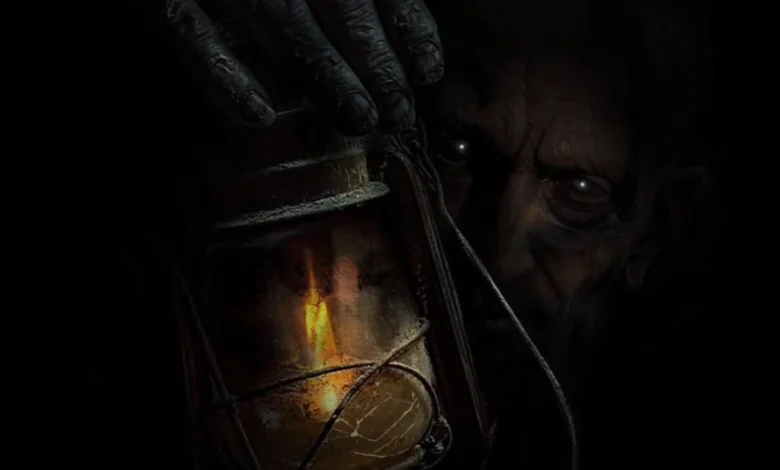
As the October 23 release date approaches, industry observers expect a ramp-up in promotional activities. The release of the film’s poster, which emphasizes an eerie, monochromatic, or muted aesthetic, serves as the first major piece of visual evidence of the film’s tone. The poster’s design, focusing on atmospheric shadows and minimalist imagery, confirms the production’s commitment to a more sophisticated, less-is-more approach to horror marketing.
For the production team, the focus in the coming weeks will shift from the quiet production phase to the logistical complexities of distribution and marketing. With a cast of this caliber, the film has a natural advantage in terms of initial visibility, but the ultimate success will rest on the quality of the narrative and the director’s ability to bridge the gap between abstract thematic concepts and the visceral requirements of a horror audience.
As the industry prepares for the autumn season, Kaali Kheti stands as a testament to the continued evolution of Indian genre cinema. Whether it succeeds in its ambitious goal of redefining rural horror remains to be seen, but the confluence of a seasoned cast, a clear directorial vision, and a strategic release window positions it as one of the most intriguing upcoming projects in the regional film circuit. The audience’s appetite for films that challenge the status quo suggests that there is space for such stories to flourish, provided the execution matches the ambition laid out by the creative team.