Navigating the Great Wealth Transfer: Expert Perspectives on Managing a Trillion-Dollar Legacy

The Great Wealth Transfer is currently underway in the United States, representing a monumental shift in capital that will reshape the financial landscape for decades to come. Between 2024 and 2048, an estimated $124 trillion in assets—ranging from real estate and business equity to cash and securities—is projected to transition from the Baby Boomer and Silent Generation cohorts to Generation X, millennials, Generation Z, and various charitable institutions. This movement of capital is not merely a transfer of ownership; it is a profound socio-economic event that threatens to disrupt traditional family dynamics and long-term financial stability if not managed with intentionality and foresight.
The scale of this transfer is unprecedented. According to research from Cerulli Associates, the sheer volume of wealth moving between generations is expected to accelerate significantly as life expectancy trends and aging demographics reach a critical inflection point. While the primary beneficiaries are the younger generations, the process is fraught with silence. A survey commissioned by Kiplinger and conducted by Morning Consult reveals that roughly two in five American families have yet to initiate a formal conversation regarding inheritance strategies. This reluctance stems from a confluence of factors, primarily the societal taboo surrounding the discussion of personal finances and a deep-seated psychological avoidance of mortality.
The Anatomy of the Silence
For many families, the prospect of discussing "the trillion-dollar talk" remains uncomfortable. Data from the Morning Consult study indicates that approximately one-quarter of both parents and adult children report feeling either somewhat or very uneasy when discussing inheritance. One survey respondent noted, "I couldn’t find it in my heart to ask," highlighting the emotional barriers that prevent families from establishing clear expectations.
This silence has tangible consequences. Without a clearly defined strategy, heirs may be left to grapple with tax implications, asset mismanagement, and interpersonal disputes. Financial experts emphasize that these conversations serve a dual purpose: they allow parents to explain the logic behind their testamentary decisions while simultaneously preparing the next generation for the stewardship of inherited assets.
Chronology and Demographic Shifts
The timeline for this transfer is categorized into distinct phases. We are currently in the early stages, where the transfer is primarily driven by estate planning and the gradual shifting of assets as Boomers reach retirement age. As we move toward 2035 and beyond, the velocity of the transfer is expected to spike as the primary wealth-holders pass on their estates.
- 2024–2030: Early-stage transition; focus on lifetime gifting and the establishment of trusts.
- 2030–2040: Peak transition phase; anticipated acceleration in the transfer of primary residences and concentrated business interests.
- 2040–2048: Late-stage transition; final settlement of major estates and the dispersal of long-term investment portfolios.
The impact of this transfer is not uniform. The concentration of wealth among the top percentile of these generations means that while many families will receive modest inheritances, a significant portion of the $124 trillion will be held by a relatively small number of households. Furthermore, approximately 15% of this total capital is expected to be directed toward philanthropic efforts, signaling a major shift in how the ultra-wealthy view their social responsibility.
Strategic Perspectives from Financial Leaders
The approach to passing on wealth varies wildly among the nation’s most prominent figures, offering a roadmap for families navigating these complex decisions.
The Philosophy of Warren Buffett
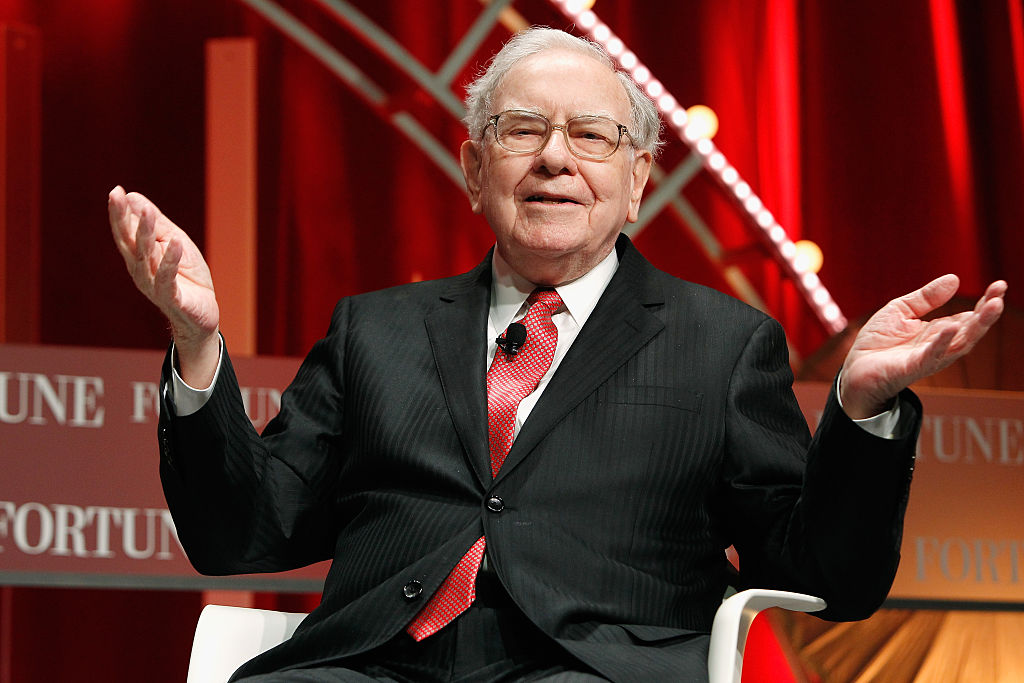
Warren Buffett, the chairman of Berkshire Hathaway, advocates for a balanced approach to inheritance. His philosophy is rooted in the belief that heirs should be given enough to pursue their ambitions but not so much that they become untethered from the value of hard work. In a November 2024 advisory, Buffett underscored the necessity of transparency: "Be sure each child understands both the logic for your decisions and the responsibilities they will encounter upon your death."
Buffett’s commitment to philanthropy is perhaps his most defining legacy. Having pledged to distribute 99% of his net worth to charity, he argues that society has a greater use for his capital than his heirs do. By shifting his wealth to charitable foundations, he avoids the potential pitfalls of generational wealth while ensuring that his capital continues to serve a public purpose.
The "Carrot-and-Stick" Model of Shaquille O’Neal
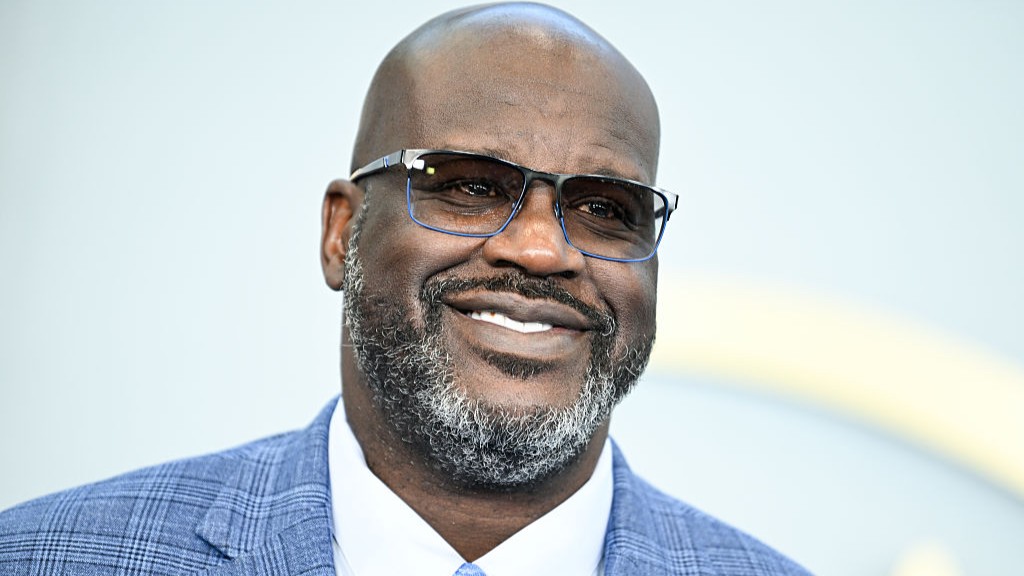
NBA legend Shaquille O’Neal represents a more conditional approach to wealth transfer. O’Neal has famously stated that his children must earn their share of his estimated $500 million fortune by presenting two university degrees. This methodology emphasizes the importance of education and professional development over the reliance on a passive inheritance. O’Neal’s focus is on "generational wealth" in the sense of building a foundation of knowledge and discipline rather than simply providing a financial safety net.
The Legacy Approach of Jay-Z and Beyoncé
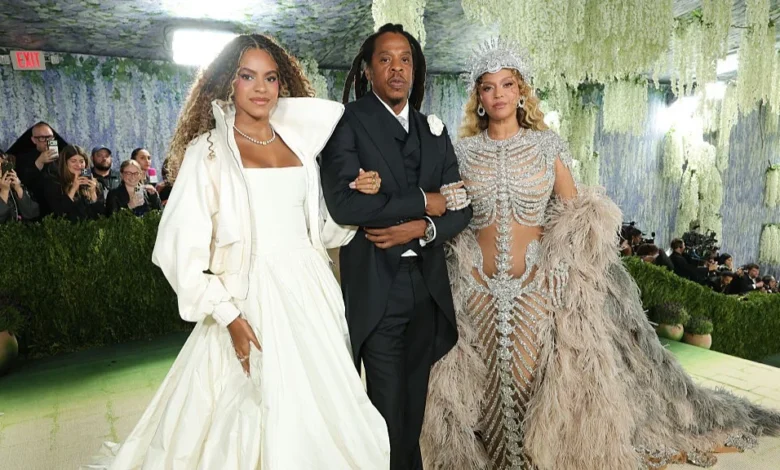
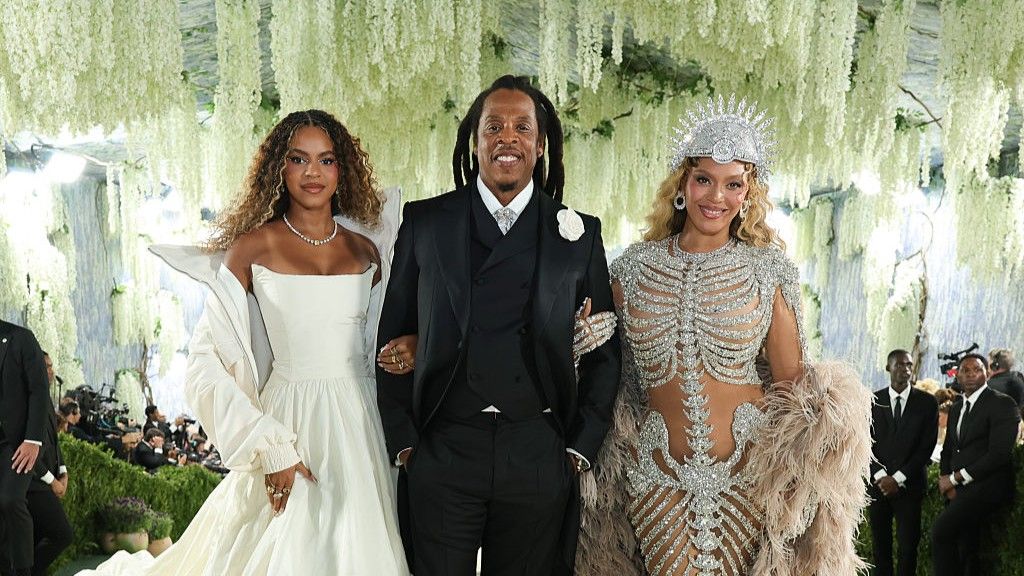
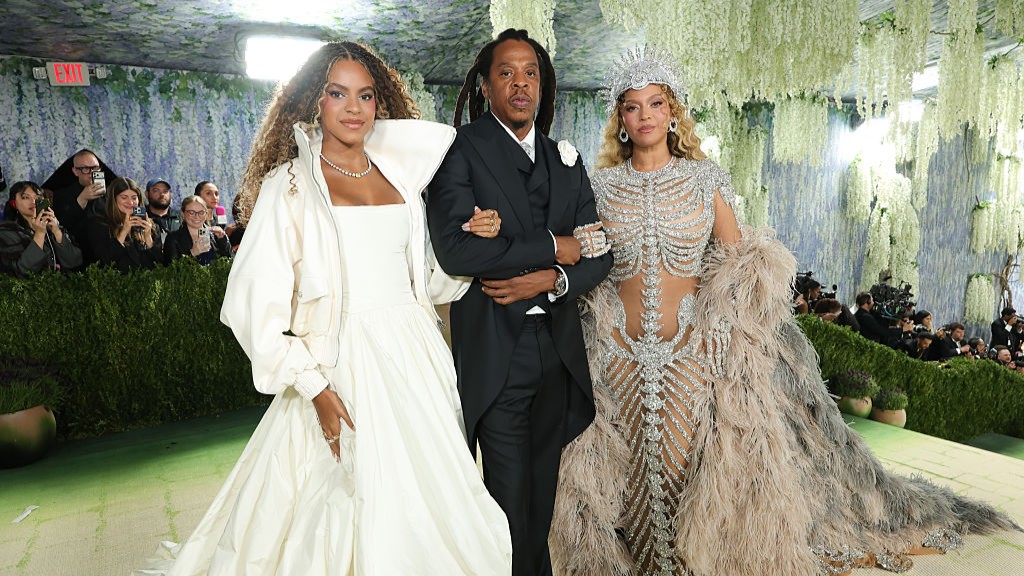
The power couple Jay-Z and Beyoncé view generational wealth as a tool for collective family uplift. Their approach, as articulated in their music and public commentary, focuses on spreading capital across extended family networks—including siblings, cousins, and nephews. This reflects a shift toward communal wealth management, where the goal is to provide a springboard for future generations rather than creating a singular, isolated trust. Their perspective suggests that wealth should be used to provide opportunities for education, entrepreneurship, and long-term financial security for the entire family unit.
Financial Management and Discipline
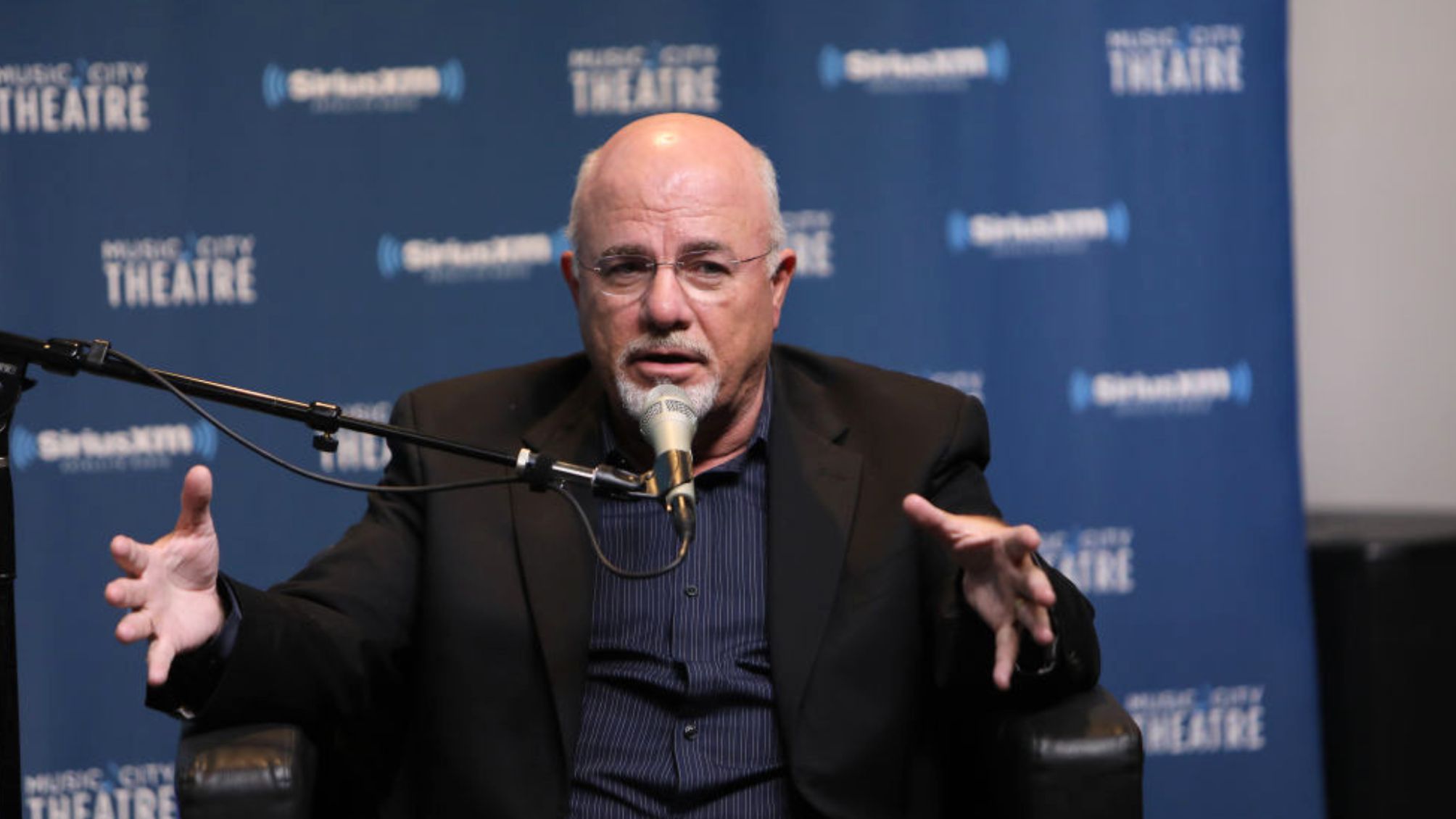
Dave Ramsey, a prominent voice in personal finance, argues that the most critical element of the wealth transfer is not the money itself, but the wisdom required to manage it. Ramsey points out that many families fail to pass down the discipline that allowed the wealth to be created in the first place, leading to the common adage that "wealth skips a generation."
"Too many families pass down dollars without ever passing down discipline," Ramsey asserts. For those receiving an inheritance, the responsibility is to act as a steward of the gift. This involves moving beyond the initial windfall and integrating the inheritance into a broader, sustainable financial plan.
Navigating Inherited Assets: The Suze Orman Perspective
A common issue during the wealth transfer process is the emotional attachment to inherited investments. Financial expert Suze Orman warns against the "sentimental holding" of assets. When individuals inherit stocks or real estate, they often view the asset as a proxy for the person who left it to them.
Orman advises heirs to detach their emotions from their portfolios. "You cannot keep your family alive by keeping the investments they left you," she notes. Instead, she suggests that the most respectful way to honor a benefactor is to manage the assets with cold, hard logic. If an investment is underperforming or no longer aligns with modern economic realities, selling it to reinvest in more productive vehicles is not a betrayal of the deceased; it is a continuation of their legacy of success.
Broader Economic and Social Implications
The implications of the Great Wealth Transfer extend far beyond individual families. The concentration of $124 trillion in the hands of younger generations could lead to a significant uptick in real estate investment, a surge in entrepreneurial activity, and a redistribution of capital toward ESG (Environmental, Social, and Governance) and philanthropic sectors.
However, there is also the risk of exacerbating existing wealth inequality. As the transfer proceeds, the "lottery of birth" will play a larger role in economic outcomes for millennials and Gen Z. Policymakers are watching these trends closely, particularly as they relate to estate taxes and the potential for increased government revenue as assets change hands.
Conclusion: Bridging the Gap
The Great Wealth Transfer is not merely an event that will happen; it is an active process that requires immediate attention. Families that fail to communicate their intentions, plans, and expectations risk leaving their heirs in a state of confusion that can lead to years of litigation and fractured relationships.
The most successful families will be those that treat the transfer of wealth as a multi-generational project. This includes:
- Initiating early, honest conversations: Breaking the taboo and setting expectations.
- Prioritizing financial literacy: Teaching the next generation how to manage wealth before they inherit it.
- Defining the purpose of the wealth: Determining whether the goal is to sustain family lifestyle, support philanthropy, or foster entrepreneurship.
- Professionalizing the process: Working with estate planners, tax attorneys, and financial advisors to ensure that the transition is efficient and compliant with current laws.
As we move toward 2048, the $124 trillion transfer will serve as a litmus test for the financial health and stability of the American family. Those who approach this transition with a combination of transparency, discipline, and strategic planning will be best positioned to turn the windfall into a lasting, positive legacy. Those who ignore the necessity of the "trillion-dollar talk" may find that the wealth intended to secure their future becomes the very thing that destabilizes it.