A Comprehensive Review of Westgate Park City Resort and Spa: Slopeside Convenience Meets Mountain Luxury in Utah

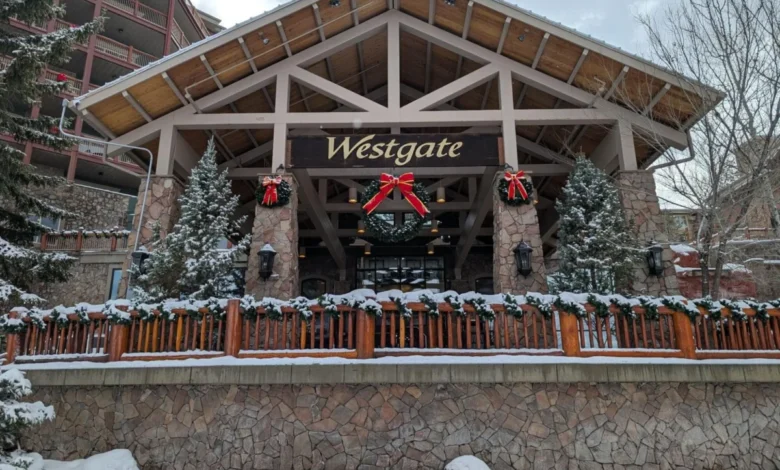
The hospitality sector in Utah’s premier alpine destinations continues to evolve, balancing high-density family accommodations with luxury mountain amenities. Among the prominent properties anchoring the Canyons Village base at Park City Mountain, the Westgate Park City Resort and Spa represents a major focal point for winter and summer tourism. Situated approximately 40 minutes from Salt Lake City International Airport (SLC) and 10 minutes from historic downtown Park City, the sprawling property offers a blend of accessibility, extensive recreational infrastructure, and diverse lodging configurations designed to capture the lucrative regional and national ski market.
Main Facts and Property Overview
Operating over 300 guestrooms and villas, the Westgate Park City Resort caters primarily to multi-generational families, ski groups, and travelers prioritizing immediate proximity to outdoor recreation. The resort sits steps from the Red Pine Gondola, granting guests direct entry into Park City Mountain Resort, which forms a vital component of the broader Epic Ski Pass network.
Accommodations range from compact studio suites equipped with modest kitchenettes to expansive one- and two-bedroom villas featuring full-scale kitchens, stone fireplaces, and private balconies. This layout addresses a growing consumer demand for self-catering options in high-cost alpine destinations, enabling visitors to mitigate dining expenses. In addition to room rates, the resort enforces a nightly $39.99 mandatory resort fee. This charge covers self-parking, a seasonal shuttle service operating between the property and downtown Park City, on-site daily activities, and a dedicated ski valet service positioned at the base of the gondola.
Chronology and Background Context
The expansion of Canyons Village over the past two decades transformed the upper tiers of Park City into a self-contained resort hub, shifting tourist traffic away from the historic Main Street corridor toward purpose-built alpine bases. Properties like the Westgate were developed to meet the lodging capacity demands spurred by the consolidation of regional ski terrain—culminating in the creation of the country’s largest ski resort under Vail Resorts’ management of Park City Mountain.
During the 2025 winter ski season, industry analysts noted a stabilization in booking windows following pandemic-era volatility, though peak-season nightly rates across Summit County properties routinely surpassed $1,000. In response to fluctuating traveler demographics, properties in the Canyons Village precinct have increasingly emphasized integrated wellness facilities, multi-bedroom configurations, and comprehensive on-site dining options to retain guests within the resort footprint for the duration of their stay.
Accommodations and Room Configurations
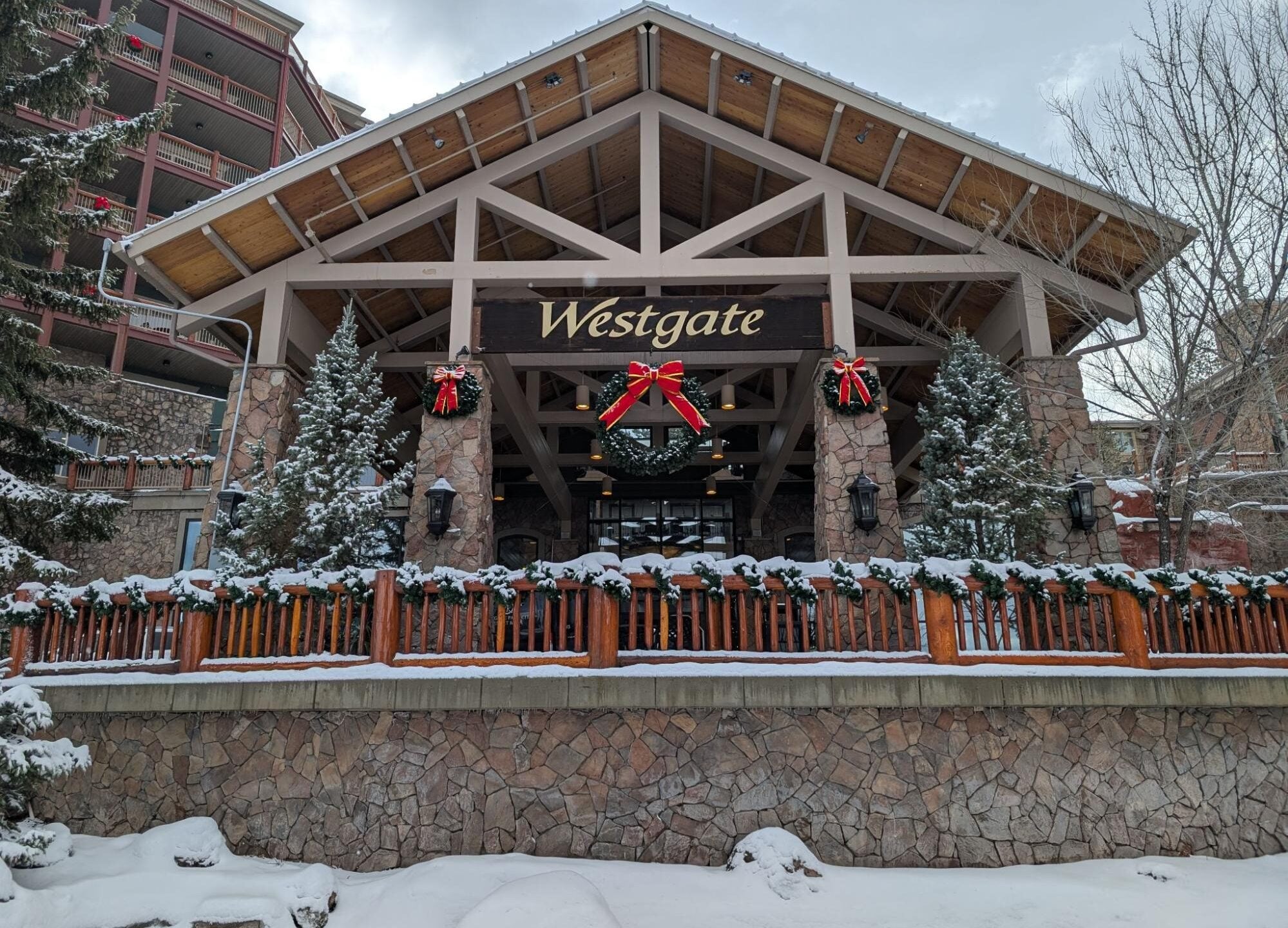
The architectural and interior design of the resort leans heavily into traditional Mountain West aesthetics, characterized by exposed timber beams, stacked stone fireplaces, and grand communal gathering spaces accented by regional metalwork. Guest quarters maintain this design philosophy, offering functional layouts designed for extended stays.
Studio suites provide basic meal-prep capabilities via a mini-refrigerator and microwave, making them suitable for couples or short-term visitors. Conversely, the multi-room villas target larger family units. A typical one-bedroom villa includes a private king-sized bedroom, a separate living room with a pull-out sofa bed, and a fully appointed kitchen with full-sized appliances and standard cookware.
Bathroom infrastructure in the upgraded villas incorporates high-end wellness features, including double vanities, heated towel racks, and steam showers—amenities specifically engineered to accommodate guests recovering from strenuous outdoor exertion. Soundproofing measures across the property generally prove effective, insulating guests from exterior roadway noise, though the complex, multi-building architecture of the resort can present navigation challenges for first-time visitors.
Amenities and Recreational Infrastructure
The resort operates an extensive suite of wellness and recreational facilities divided between family-centric zones and quiet adult retreats. Aquatic amenities include a large, heated indoor-outdoor pool popular with families, complemented by a secluded indoor pool, hot tub, and steam room restricted to adult guests.
The full-service Serenity Spa serves as the anchor of the property’s wellness offerings. Access to the spa’s thermal facilities—featuring saunas, steam rooms, and dedicated relaxation lounges—is granted complimentary with the purchase of a treatment or via a separate day-pass model. Adjacent to the spa facilities, a dedicated yoga studio hosts a rotating schedule of private and group classes, including vinyasa and hot yoga formats. The on-site fitness center provides a standard array of free weights, strength-training machines, and cardiovascular equipment such as treadmills, stair climbers, and spin bicycles.
For younger guests and families, the property maintains an activity center outfitted with video game consoles, board games, and arts-and-crafts stations, alongside a dedicated arcade and ping-pong tables positioned near the primary pool deck.
Dining Portfolio
Culinary operations at the resort are anchored by three distinct concepts designed to capture both overnight guests and walk-in traffic from Canyons Village.
Edge Steakhouse, the property’s fine-dining establishment, operates in the upper tier of Summit County culinary options. Specializing in dry-aged prime steaks, fresh seafood, and an extensive wine and cocktail program, the restaurant targets high-end travelers seeking upscale dining without venturing off-property.
Drafts Burger Bar provides a casual, high-volume alternative focused on comfort food, specialty burgers, and an extensive beverage menu, appealing directly to families and skiers returning immediately from the slopes.
Rounding out the culinary offerings, a lobby-adjacent Coffee Bar provides grab-and-go breakfast items, pastries, and Starbucks-branded beverages, functioning as a communal workspace for guests during morning and afternoon hours.
Financial Analysis, Pricing, and Booking Strategies
Lodging expenses at Westgate Park City fluctuate dramatically based on seasonal demand. During shoulder periods in the late spring and fall, base rates for studio suites can dip to approximately $200 per night. Conversely, during peak winter holiday periods and mid-season weekends, rates for larger villas routinely exceed $1,000 per night, placing the property firmly in the luxury hospitality bracket despite its multi-use timeshare and resort community structure.
Industry experts recommend careful evaluation of total trip costs, factoring in local lodging taxes, parking considerations, and the mandatory nightly resort fee. While direct booking through the resort remains common, savvy travelers frequently utilize third-party travel portals and credit card reward ecosystems to secure competitive valuations.
For instance, bookings executed through the Chase Ultimate Rewards portal using premium travel credit cards like the Chase Sapphire Reserve can yield significant point redemptions. Depending on promotional point-boost structures and the specific travel window—such as shoulder-season stays in autumn—redemption values can achieve favorable returns relative to direct cash pricing, though point availability and redemption rates remain subject to dynamic pricing models.
Implications and Strategic Outlook
As Park City continues to navigate infrastructure demands, parking constraints, and seasonal labor shortages, properties that offer integrated access to transit and lifts retain a distinct competitive advantage. The Westgate’s direct proximity to the Red Pine Gondola insulates its guests from the vehicular traffic congestion that frequently plagues the main mountain access roads during peak morning arrival windows.
However, the property is not without strategic limitations. The sprawling layout and disjointed elevator architecture can create accessibility challenges for guests with mobility impairments or families managing heavy ski gear. Furthermore, the hybrid nature of the resort—functioning simultaneously as a high-end destination hotel and a dense timeshare community—can occasionally result in a bustling, high-traffic atmosphere that contrasts with the tranquil seclusion expected of traditional luxury mountain retreats.
Ultimately, the Westgate Park City Resort and Spa positions itself as a pragmatic, highly functional basecamp for winter sports enthusiasts and summer alpine travelers. Its value proposition centers heavily on convenience: the ability to step off the slopes, utilize a dedicated ski valet, prepare meals within a multi-room villa, and access comprehensive wellness amenities without exiting the property perimeter makes it a prominent fixture within the Utah mountain hospitality market.