Transitioning Financial Strategies: When to Re-evaluate Frugal Habits for Maximized Living in Retirement

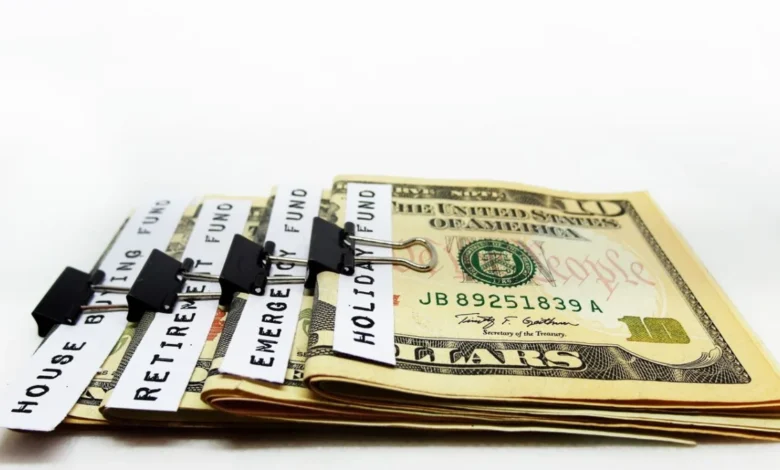
Frugality, at its core, represents a commendable approach to personal finance, embodying intentionality in spending to accelerate wealth accumulation and mitigate wasteful expenditures. This discipline is often lauded as a cornerstone of financial independence, enabling individuals to build substantial savings and achieve long-term security. However, the efficacy and appropriateness of certain frugal habits are not immutable; they evolve with an individual’s financial journey. While instrumental during the wealth-building phase, some seemingly prudent practices can become counterproductive as one approaches retirement or reaches established financial milestones, necessitating a strategic shift from pure savings maximization to optimizing the value derived from accumulated wealth.
The journey toward financial independence is typically characterized by distinct phases, each demanding a tailored financial philosophy. During the early and mid-career, the accumulation phase prioritizes aggressive saving, diligent debt reduction, and a keen focus on living below one’s means. This period is critical for compounding interest to work its magic and establish a robust financial foundation. Habits such as meticulous budgeting, seeking out the lowest prices, and deferring gratification are not merely beneficial but often essential. According to various financial planning benchmarks, individuals are encouraged to save between 10-15% of their income, with some advocating for higher rates, especially for those starting later or aiming for early retirement. The "Rule of 25," suggesting one needs 25 times their annual expenses saved to retire, underscores the scale of saving required. During this phase, every dollar saved is a dollar invested, directly contributing to future security.
As individuals progress, nearing retirement or achieving their target savings, they enter a transition phase. This inflection point often brings a subtle but profound psychological shift. The mindset, long conditioned by the imperative to save and grow, must now adapt to a new reality: the responsible deployment and enjoyment of that accumulated wealth. This shift can be challenging, as years of ingrained frugal behaviors are not easily shed. The prospect of drawing down from a diligently built nest egg can trigger anxiety, even when withdrawals are well within sustainable limits. Financial advisors frequently observe this phenomenon, where retirees, despite ample resources, continue to live with a scarcity mindset, reluctant to spend on experiences or conveniences they can comfortably afford.
Finally, the distribution or enjoyment phase, characteristic of retirement, mandates a focus on maximizing the value of spending. The objective shifts from accumulating wealth to sustaining a desired lifestyle, protecting capital, and potentially leaving a legacy, all while ensuring financial longevity. This phase is less about depriving oneself for future gains and more about judiciously allocating resources to enhance current well-being and fulfill long-held aspirations. It requires a different kind of financial discipline—one that balances prudence with pleasure, and efficiency with experience.
Re-evaluating Frugal Habits: Specific Case Studies and Data
The evolution of financial strategy is best understood through concrete examples of habits that serve different purposes across these life stages.
1. Beyond Aggressive Saving: Embracing Sustainable Spending
For decades, the mantra of "save, save, save" has been the cornerstone of financial advice. And rightly so. Aggressive saving during one’s working life is paramount for building a substantial retirement fund, ensuring financial security, and achieving the freedom to pursue a desired lifestyle post-employment. This involves finding creative ways to reduce monthly expenditures, living significantly below one’s income, and consistently channeling surplus funds into investment vehicles. Data from the Employee Benefit Research Institute (EBRI) consistently highlights that a significant portion of the population faces retirement savings shortfalls, reinforcing the historical necessity of this aggressive approach.
However, once retirement is reached, or the predetermined financial independence target is met, the relentless pursuit of additional savings can become counterproductive. The psychological impact of transitioning from an accumulator to a disburser of wealth is profound. Many retirees experience "retirement spending anxiety," a reluctance to draw down on their principal, even when advised by financial planners that their withdrawal rates are sustainable. This anxiety can stem from a fear of outliving one’s money, a habituated aversion to seeing account balances decrease, or a misunderstanding of sustainable withdrawal strategies.
The solution lies in adopting a sustainable spending mindset. Instead of continually trying to cut expenses to save more, the focus shifts to establishing a reasonable, inflation-adjusted annual income from one’s portfolio. The widely discussed "4% Rule," while a simplification, provides a starting point: withdrawing approximately 4% of one’s initial retirement portfolio value, adjusted for inflation annually, historically suggests a high probability of not depleting funds over a 30-year retirement. However, modern financial planning increasingly advocates for more dynamic spending strategies that adjust to market performance, ensuring greater flexibility and longevity.
Regular consultation with a qualified financial planner becomes critical in this phase. A planner can help assess the portfolio’s health, project future expenses (including unexpected healthcare costs), and devise a personalized spending plan that accounts for both financial sustainability and lifestyle goals. This plan should include an emergency fund for unforeseen circumstances but discourage excessive hoarding of cash beyond reasonable liquidity needs. The goal is to spend what can be sustainably spent, enjoying the fruits of a lifetime of labor, rather than allowing a scarcity mindset to persist unnecessarily. The implication of not adapting this habit is a potentially diminished quality of life in retirement, characterized by undue worry and missed opportunities for leisure, travel, and personal fulfillment that the accumulated wealth was intended to provide.
2. Leveraging Financial Tools: The Strategic Use of Credit Cards
In the nascent stages of financial literacy, particularly for young adults, relying solely on cash or debit cards is often prudent. This approach minimizes the risk of accumulating high-interest debt, helps in understanding budgeting principles, and prevents overspending before robust financial discipline is established. For those new to managing money, the immediate feedback of seeing bank balances decrease with each debit transaction or the physical limitation of cash in a wallet can be invaluable learning tools. A 2023 Federal Reserve report indicated that credit card debt in the U.S. reached record highs, underscoring the potential pitfalls for the undisciplined.
However, once an individual has cultivated strong financial habits, built a solid credit history, and demonstrates consistent ability to pay credit card balances in full each month, eschewing credit cards entirely represents a significant missed opportunity. This habit, while initially protective, transforms into a financial inefficiency, akin to leaving money on the table.
The modern financial landscape is replete with rewards credit cards designed to incentivize spending through cash back, travel points, or specific category bonuses. By strategically selecting and utilizing these cards, consumers can convert routine expenditures into tangible benefits. For instance, a card offering 5% cash back on groceries and gas, combined with another offering 2% on all other purchases, can yield hundreds, if not thousands, of dollars in annual rewards. Travel-focused cards often provide even greater value, with points redeemable for flights, hotel stays, or other travel perks, often exceeding a penny per point in value. A typical rewards credit card user, paying off their balance monthly, can earn an average of 1-2% back on all spending, translating to significant savings over time.
The key to leveraging this habit effectively lies in responsible credit card management. This means:
- Paying the full balance every month: Avoiding interest charges is paramount, as they quickly negate any rewards earned.
- Understanding card benefits: Choosing cards that align with spending patterns (e.g., a road warrior benefits from gas rewards, a frequent flyer from airline points).
- Monitoring spending: Ensuring credit card usage remains within budget.
- Avoiding unnecessary fees: Opting for cards with no annual fees initially, or ensuring the value of rewards from fee-carrying cards far outweighs the cost.
For those new to rewards cards, starting with a simple, no-annual-fee cash-back card that offers a flat rate on all purchases is a low-risk way to build the habit and demonstrate disciplined use. As financial sophistication grows, a more diversified "credit card ecosystem" can be developed, optimizing rewards across various spending categories. The implication of not adapting this habit is a direct financial loss, as consumers forgo readily available savings and perks that could enhance their quality of life without altering their fundamental spending.
3. Optimizing Travel Experiences: Beyond Basic Economy Fares
For the budget-conscious traveler or those who travel infrequently, basic economy fares have long represented the most straightforward path to minimal travel costs. These fares, characterized by their restrictive nature, often omit perks such as baggage allowance, seat selection, and flexibility in changes or cancellations. While this can translate to significant savings on the ticket price, it often comes at the cost of convenience and comfort. For a casual traveler undertaking a short, infrequent trip with minimal luggage, the trade-off might be acceptable.
However, as financial goals are met and retirement opens up new possibilities for exploration, sticking rigidly to basic economy can detract from the overall travel experience and even prove less cost-effective in the long run. If retirement dreams include a bucket list of international destinations or more frequent leisure trips, the inconveniences and potential hidden fees associated with basic economy fares—such as charges for checked bags, carry-on bags on some airlines, or unexpected change fees—can accumulate, eroding the initial savings. According to a 2023 report by IdeaWorksCompany, ancillary fees, largely driven by baggage and seat selection, contributed billions to airline revenues, highlighting the widespread nature of these additional costs.
This is where a strategic shift toward upgraded fares and loyalty programs becomes beneficial. For the frequent traveler, or one embarking on significant journeys, the value proposition of standard economy, premium economy, or even business class fares, especially when purchased strategically, can far outweigh the basic economy price difference. Upgraded fares often include:
- Free checked bags: Eliminating a common source of extra fees.
- Seat selection: Allowing for comfort and planning.
- Increased flexibility: Easier changes or cancellations.
- Earning points/miles: The ability to accrue loyalty points that can be redeemed for future free flights, upgrades, or hotel stays.
- Priority boarding and airport lounge access: Enhancing the travel experience with comfort and efficiency.
The strategic use of travel credit cards further amplifies these benefits. Many co-branded airline or hotel credit cards offer significant sign-up bonuses, annual free nights, companion passes, free checked bags, and priority status, which can make the cost of upgraded fares or even premium travel much more accessible. A careful calculation of the "true cost" of basic economy (ticket price + all potential add-on fees) versus an upgraded fare (ticket price – value of included perks – value of earned points/miles) often reveals that the latter can be a more frugal choice in terms of overall value and experience. For instance, a free checked bag on a round trip could easily save $60-$100, which might bridge a significant portion of the basic vs. standard economy price gap, not to mention the value of comfort and points earned.
The implication here is that clinging to the lowest upfront price without considering the full spectrum of costs and benefits, particularly for a desired retirement lifestyle that includes travel, can lead to unnecessary discomfort, stress, and ultimately, a less fulfilling experience. Adapting this habit means investing in a more comfortable and rewarding travel journey, aligning spending with the pursuit of enriching life experiences.
Expert Perspectives and Broader Implications
Financial planning experts consistently emphasize the importance of periodic financial reviews and adapting strategies to life stages. "What served you well in your 30s may hinder your enjoyment in your 60s," states a common refrain among certified financial planners. They highlight the psychological challenge of transitioning from a scarcity mindset, honed over years of saving, to an abundance mindset necessary for responsibly enjoying wealth. This psychological adjustment is often as significant as the financial calculations themselves. Organizations like the Financial Planning Association (FPA) and the National Association of Personal Financial Advisors (NAPFA) advocate for a holistic approach to retirement planning that integrates financial sustainability with personal well-being and lifestyle aspirations.
The broader implications of these habit adjustments extend beyond individual finances. A generation of retirees who are confident in their spending capacity can contribute positively to the economy through consumption, supporting various industries from travel and leisure to healthcare and retail. Furthermore, embracing a balanced approach to spending in retirement can significantly enhance overall well-being and life satisfaction. The wealth accumulated is not merely a number in an account; it is a tool to facilitate a comfortable, engaging, and fulfilling life. Continuing to deny oneself experiences or conveniences that are well within one’s means can lead to regret and a diminished quality of life during what should be a period of enjoyment and relaxation.
Ultimately, personal finance is a dynamic field, requiring continuous adaptation and re-evaluation. Frugality is a powerful tool, but like any tool, its effectiveness depends on its appropriate application. The goal is not merely to accumulate wealth but to manage it wisely across all life stages, ensuring that financial strategies evolve to support not just security, but also satisfaction and fulfillment. By recognizing when to retire certain frugal habits, individuals can unlock greater value, enhance their experiences, and truly prosper from the wealth they have meticulously built.