As the roar of the crowd and the anticipation of a new season begin to build, the National Football League (NFL) is gearing up for its annual training camp, a critical period for teams to refine strategies and for fans to connect with their beloved franchises. Set to officially commence in July, this prelude to the 2026 NFL season has seen a significant launch from New Era, the league’s official on-field cap provider since 2012. The brand has just dropped its highly anticipated 2026 NFL Training Camp collection, featuring a range of headwear designed to let fans and players alike sport their team pride with authentic style. The collection includes an array of caps, bucket hats, and visors, each meticulously crafted to blend iconic team logos and vibrant colorways with classic athletic aesthetics and a touch of retro-inspired typography.
This latest offering from New Era signifies more than just a merchandise release; it represents a direct link between the fan base and the athletes, coaches, and operational staff who will be donning this very gear as they prepare for the rigorous demands of the upcoming season. The collection is poised to be a popular choice for fans looking to refresh their game-day attire or to simply embrace the spirit of the sport as training camps ignite across the league. The official NFL season may not officially kick off until September, but the energy and excitement surrounding these early preparations are palpable, and New Era’s timely release allows enthusiasts to be part of that fervor from the outset.

A Glimpse into Authentic Player Gear
New Era emphasizes that the 2026 NFL Training Camp collection is identical to the merchandise that will be worn by players, coaches, and staff throughout the training camp period. This direct affiliation offers fans an unparalleled opportunity to emulate the style of their gridiron heroes, fostering a deeper sense of connection and shared experience. The brand’s commitment to authenticity ensures that each piece is not only a stylish accessory but also a testament to the dedication and preparation that defines professional football.
"This collection is about bringing fans closer to the game," stated a representative from New Era, speaking on condition of anonymity. "We understand the passion and loyalty that NFL fans have for their teams. By providing the same gear that our athletes and staff will be wearing during training camp, we’re offering them a tangible way to feel like they’re part of the journey, from the very first drill."
The timing of the release is strategically aligned with the growing anticipation for the NFL season. As the weather warms and the months tick closer to September, fans are increasingly looking for ways to express their team spirit. This collection provides a perfect opportunity to acquire fresh, team-branded apparel that can be showcased at stadiums, during tailgating events, or at any gathering dedicated to celebrating the sport.

Unveiling the Collection: A Closer Look at Key Styles
The 2026 NFL Training Camp collection features a variety of headwear options, each designed with both performance and aesthetic appeal in mind. While the collection is available for all 32 NFL teams, several standout pieces highlight the craftsmanship and design philosophy behind the range. These items are currently available for purchase online through Fanatics, the official merchandise partner for many professional sports leagues, including the NFL.
Philadelphia Eagles New Era 2026 NFL Training Camp 9SEVENTY Adjustable Hat
A prime example of the collection’s offerings is the Philadelphia Eagles New Era 2026 NFL Training Camp 9SEVENTY Adjustable Hat. This cap features a structured crown, a semi-curved bill, and a classic snapback closure, providing a comfortable and customizable fit. Beyond its visual appeal, the hat is engineered with advanced materials to enhance the wearer’s experience. It incorporates a sweat-wicking fabric designed to manage moisture during intense activity, ensuring comfort even in warmer conditions. Furthermore, an antimicrobial coating helps to mitigate odors, a practical feature for both athletes and fans. The back of the cap is constructed from a durable ripstop material, engineered to maintain the cap’s shape over time while offering resistance against tears and snags. The distinctive cream and midnight green colorway proudly represents the Eagles, making it a must-have for dedicated supporters.
Buffalo Bills New Era 2026 NFL Training Camp 9FIFTY Snapback Hat
For fans who prefer a more traditional silhouette, the Buffalo Bills New Era 2026 NFL Training Camp 9FIFTY Snapback Hat offers a timeless appeal. This cap is part of New Era’s renowned 9FIFTY line, characterized by its structured crown, flat visor, and a six-panel construction. The adjustable snap closure ensures a secure and personalized fit. The design prominently features the Buffalo Bills’ iconic logo on the front, with the team name "Bills" heat-sealed on the side, adding a subtle yet distinctive branding element. The classic combination of cream and royal blue reflects the team’s traditional colors, offering a stylish nod to Bills Mafia.

Kansas City Chiefs New Era 2026 NFL Training Camp Sport Bucket Hat
Capturing a more relaxed, yet equally spirited, aesthetic is the Kansas City Chiefs New Era 2026 NFL Training Camp Sport Bucket Hat. This design evokes a sense of casual coolness, making it a versatile addition to any fan’s wardrobe. The hat prominently displays a rubberized team logo on the front, a tactile detail that adds depth and durability. On the back, the team name "Chiefs" is screen-printed, offering another layer of team identification. The New Era logo is subtly embroidered on the side. A standout feature of this bucket hat is its mesh side panels, designed to promote airflow and keep the wearer cool and comfortable, whether they’re on the sidelines or cheering from the stands. This design is particularly fitting for players like Travis Kelce, known for his dynamic presence on and off the field.
Seattle Seahawks New Era 2026 NFL Training Camp Adjustable Visor
For those seeking sun protection with a sporty edge, the Seattle Seahawks New Era 2026 NFL Training Camp Adjustable Visor presents an excellent option. This officially licensed visor is designed with a lined headband for enhanced comfort and a curved bill to effectively shield the eyes from glare. An adjustable Velcro strap ensures a secure and adaptable fit for a wide range of head sizes. The visor is constructed from polyester ripstop fabric, renowned for its exceptional durability and resistance to wear and tear, making it suitable for consistent use. The Seattle Seahawks logo, a symbol of their Super Bowl-winning legacy, is prominently featured. Reports indicate that this particular visor is experiencing high demand, selling quickly online, underscoring its popularity among Seahawks fans.
Cincinnati Bengals New Era 2026 NFL Training Camp 39THIRTY Flex Hat
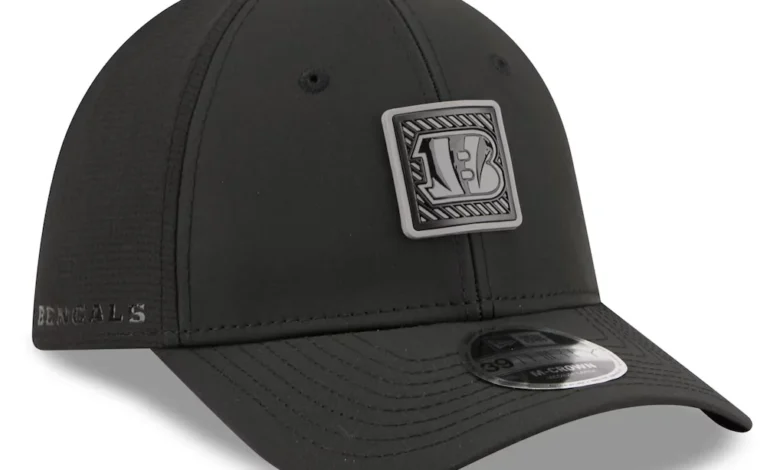
The Cincinnati Bengals New Era 2026 NFL Training Camp 39THIRTY Flex Hat offers a sleek and modern option for fans of the AFC North contenders. This fitted cap boasts an all-black design, complemented by a classic six-panel construction, front eyelets for ventilation, and a pre-curved bill. A key feature of the 39THIRTY line is the inclusion of a touch of spandex, which provides a stretchy and flexible fit, conforming comfortably to the wearer’s head. This hat is available in a range of sizes, including S/M, M/L, and L/XL, ensuring a tailored fit for most fans. The understated yet bold design makes it a versatile choice, reminiscent of the style favored by players like Joe Burrow.

A Comprehensive Collection for Every Fan
It is important to note that the styles highlighted above – the 9SEVENTY adjustable cap, the 9FIFTY snapback, the bucket hat, the adjustable visor, and the 39THIRTY flex hat – are available across all 32 NFL teams. This ensures that regardless of a fan’s allegiance, they can find headwear that authentically represents their favorite franchise. The collection’s strength lies in its broad appeal and its ability to cater to diverse style preferences, from the classic to the contemporary.
The Legacy of New Era and the NFL Partnership
The collaboration between New Era and the NFL is a cornerstone of sports apparel, built on a long-standing relationship that underscores the brand’s commitment to quality and authenticity. New Era’s journey with the league began with its appointment as the official on-field cap provider in 2012. This pivotal moment marked a significant expansion of the brand’s influence within professional football.
The partnership further deepened in recent years, with New Era expanding its role to become the Official Outfitter of the NFL Scouting Combine. This designation, effective from the 2025 event, signifies New Era’s integral position in providing apparel for one of the most crucial pre-draft events in professional football. The NFL Scouting Combine serves as a vital platform for aspiring athletes to showcase their skills and for NFL teams to evaluate talent, making New Era’s presence at this event a testament to its established credibility and importance within the league’s ecosystem.

Broader Impact and Fan Engagement
The release of the New Era 2026 NFL Training Camp collection serves multiple purposes. For New Era, it reinforces its position as a leading sports apparel brand and a trusted partner of the NFL. For the NFL, it provides a valuable revenue stream and an avenue to enhance fan engagement by offering merchandise that connects fans directly to the on-field experience.
The collection’s design ethos, blending team identity with functional athletic wear, resonates with a broad spectrum of fans. It caters not only to die-hard supporters who follow every aspect of their team’s journey but also to casual enthusiasts who appreciate stylish, sport-inspired apparel. The emphasis on "same gear worn by players" is a powerful marketing tool, tapping into the aspirational desires of fans to feel closer to their athletic idols.
Furthermore, the availability of these items prior to the official season start allows fans to prepare for upcoming events, from pre-season games to regular-season matchups and playoff pushes. This proactive approach to merchandise release ensures that fans can be fully equipped and express their team spirit from the earliest stages of the football calendar.

The detailed craftsmanship and material choices, such as sweat-wicking fabrics and durable ripstop, highlight a functional aspect often overlooked in fan apparel. This suggests a growing trend in the sports merchandise market towards integrating performance-oriented features into everyday wear, blurring the lines between athletic gear and casual fashion.
Conclusion: A Season of Style and Support
As the 2026 NFL season approaches, the New Era Training Camp collection stands as a vibrant symbol of fan devotion and athletic preparation. The meticulously designed caps, bucket hats, and visors offer a tangible connection to the teams, players, and the shared passion that defines the NFL. With officially licensed products available for every franchise, fans have an extensive array of options to showcase their unwavering support. The continued collaboration between New Era and the NFL underscores a shared commitment to delivering high-quality, authentic merchandise that enhances the fan experience and celebrates the enduring spirit of professional football. Whether heading to a game, a tailgate, or simply enjoying a watch party, this collection ensures fans can do so with pride and in true team style.