Mastering AI Content Optimization: A Comprehensive Guide to SEO, AEO, and the Future of Digital Discovery

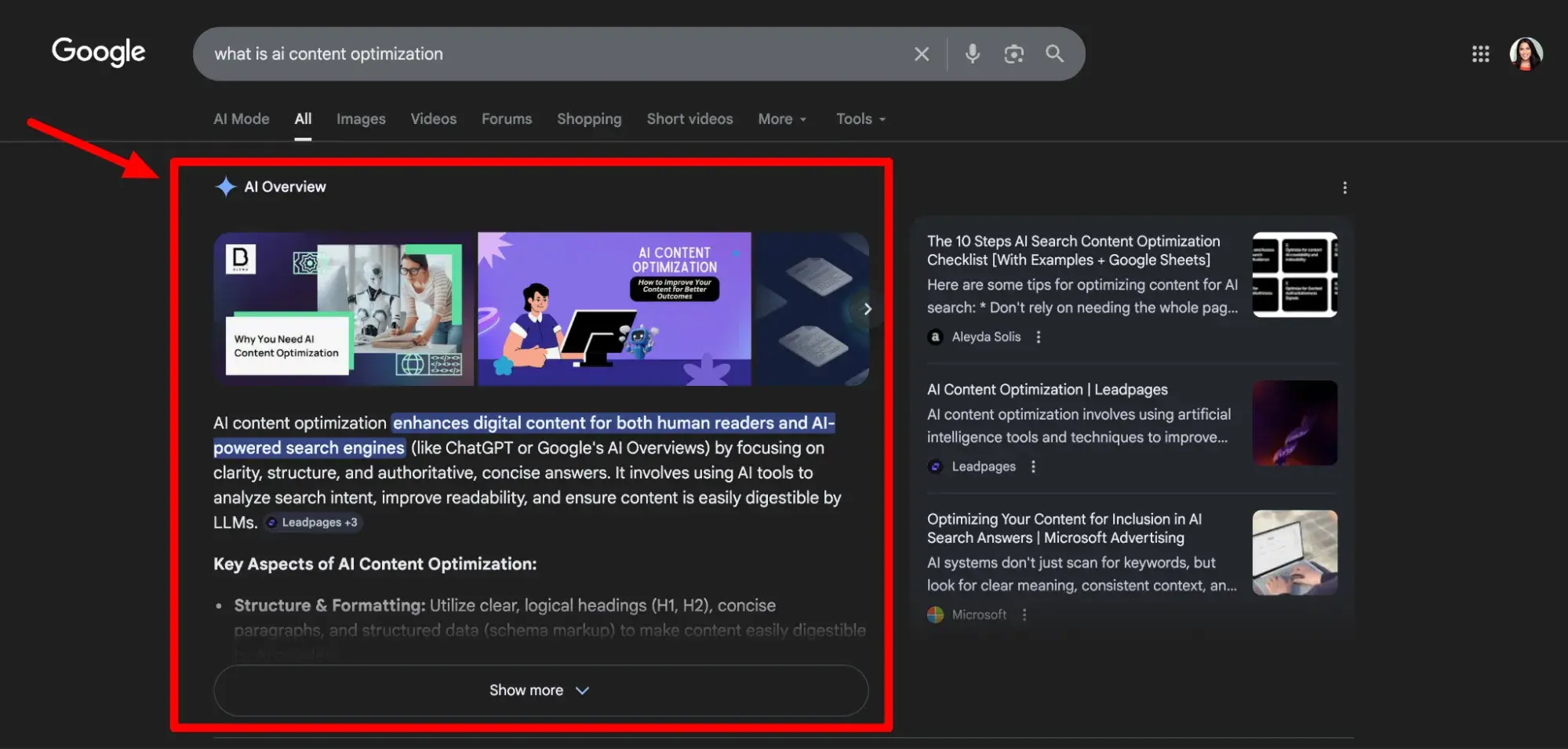
The digital marketing landscape is currently undergoing its most significant transformation since the inception of the commercial search engine. As artificial intelligence integrates deeper into the fabric of the internet, the traditional mechanics of Search Engine Optimization (SEO) are being augmented by two emerging disciplines: Answer Engine Optimization (AEO) and Generative Engine Optimization (GEO). This shift represents a move away from a "link-centric" web toward an "answer-centric" ecosystem, where visibility is measured not just by rankings on a results page, but by citations within AI-generated summaries. AI content optimization is the formalized practice of structuring and improving online content to ensure it performs effectively across traditional search engines, AI-generated answer summaries, and Large Language Models (LLMs) like ChatGPT, Perplexity, and Google’s Gemini.
The Evolution of Search: From Keywords to Generative Answers
For over two decades, the primary goal of digital publishers was to secure a position among the "ten blue links" on the first page of Google. However, recent data indicates a paradigm shift in user behavior. According to industry reports, nearly 60% of Google searches now conclude without a single click to an external website. This phenomenon, known as "zero-click search," is driven by the proliferation of AI Overviews, featured snippets, and knowledge panels that provide immediate answers within the search interface.
The chronology of this shift accelerated significantly in early 2024. A seminal research paper titled "GEO: Generative Engine Optimization," published by researchers from Princeton University and Georgia Tech, provided the first academic framework for how websites can optimize for LLMs. This study revealed that traditional SEO signals, while still relevant for technical health, do not guarantee visibility in AI responses. Instead, AI engines prioritize structural clarity, authoritative citations, and the presence of verifiable statistics. By mid-2025, the impact of these technologies became undeniable. The Previsible 2025 AI Traffic Report noted a 527% increase in AI-referred web sessions between January and May 2025 alone, signaling that AI platforms are becoming major drivers of outbound traffic for the first time.

Strategic Framework for AI Content Optimization
To navigate this new environment, organizations are adopting a multi-layered approach that bridges the gap between human readability and machine extractability. The process begins with a fundamental audit of "AI visibility." Unlike traditional SEO, which can be tracked through tools like Google Search Console, AI visibility requires monitoring how a brand is synthesized across various LLMs. This involves querying platforms like Perplexity or ChatGPT with industry-specific questions to determine if a brand is cited as a primary source or omitted entirely.
The second pillar of this strategy is the cultivation of "Topical Authority." AI engines are designed to identify and favor sources that demonstrate deep, sustained expertise. This is achieved through the "topic cluster" model, where a comprehensive "pillar page" serves as a central hub for a subject, linking to and receiving links from various sub-topic articles. This internal linking structure signals to AI crawlers that the website is a definitive resource rather than a collection of disconnected pages.
Structural Requirements for Machine Extraction
One of the most critical findings in recent GEO research is that AI systems process content differently than human readers. While a human might enjoy a narrative build-up, an AI engine looks for "extractable" blocks of information. Research conducted in early 2026 by Search Engine Land found that 44% of all ChatGPT citations originate from the first 30% of a page’s content. Furthermore, cited passages are nearly twice as likely to use "definitive language"—sentences starting with "X is" or "X refers to"—compared to those using vague or passive framing.
To optimize for these extraction patterns, marketers are now utilizing specific formatting techniques:

- Direct Answer Blocks: Placing a 75-to-150-word summary of the primary question at the top of the article.
- H2 and H3 Clarity: Using subheadings that mirror the exact questions users ask AI engines.
- Self-Contained Paragraphs: Ensuring that individual sections of an article provide complete context so they can be cited in isolation.
The Verification Economy: Citations and Statistics
As AI engines face increasing scrutiny over "hallucinations"—the tendency to generate false information—their algorithms have pivoted to favor content that provides verifiable proof. The original Princeton/KDD study on GEO indicated that including quotations from credible sources and primary statistics can boost a website’s visibility in generative responses by over 40%.
This has led to the rise of "source hygiene" as a competitive advantage. Digital publishers are increasingly investing in original research and first-party data to create "citation magnets." When a brand publishes a unique statistic, it provides AI systems with a piece of information they cannot find elsewhere, making that brand the necessary citation for any AI-generated answer on that topic. This trend is also merging with digital Public Relations (PR), as mentions in third-party publications, Reddit discussions, and industry reports serve as external validation signals that AI systems use to weigh a brand’s credibility.
Technical Accessibility and the "Reading Mode" Challenge
A significant technical hurdle in AI optimization is the way AI bots interact with web servers. A 2025 investigation into ChatGPT’s "Agent Mode" revealed that 46% of bot visits occur in a "reading mode," which strips away CSS, JavaScript, and images to focus purely on the HTML text. Alarmingly, 63% of these agents were found to leave a site immediately if they encountered slow load times, CAPTCHAs, or aggressive bot-blocking settings.
To remain "AI-friendly," technical SEO must now prioritize:
- HTML Simplicity: Ensuring the core message of a page is accessible without executing complex scripts.
- Crawl Budget Management: Optimizing the robots.txt file to allow AI agents from OpenAI, Google, and Anthropic to access high-value content.
- Schema Markup: Using structured data (JSON-LD) to explicitly define the relationships between entities, authors, and facts on a page.
Freshness and the Velocity of Information
Temporal relevance has emerged as a dominant factor in AI citation selection. Analyses by Ahrefs suggest that content cited by AI assistants is, on average, 25.7% "fresher" than content appearing in traditional organic search results. In fact, over 76% of the top-cited pages in ChatGPT have been updated within the previous 30 days. This necessitates a shift from a "publish and forget" mentality to a "continuous refresh" cycle. Brands are now implementing automated schedules to update statistics, add new developments to cornerstone articles, and timestamp their content with "Last Updated" labels to signal currentness to AI crawlers.
Broader Impact and Industry Implications
The transition toward AI content optimization has profound implications for the digital economy. For small businesses, GEO provides an opportunity to compete with established giants by offering highly specific, well-structured answers that AI engines can easily digest. For larger enterprises, the challenge lies in maintaining authority across vast content libraries that may not have been designed for machine extraction.
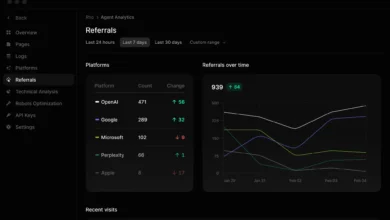
Furthermore, the rise of AI-driven discovery is forcing a re-evaluation of marketing metrics. Traditional "click-through rates" (CTR) are being supplemented by "citation share"—the percentage of time a brand is mentioned in generative answers for a specific set of keywords. While the "zero-click" trend may reduce direct traffic to some informational pages, the traffic that does arrive from AI referrals is often more qualified. Data suggests that when a user clicks a citation link within an AI summary, the conversion intent is significantly higher, as the AI has already performed the initial vetting process for the user.
Conclusion: Optimizing for the Future of Information
As we move toward 2027, LLM traffic is projected to surpass traditional search volume. AI content optimization is no longer a niche tactic but a foundational requirement for digital existence. The brands that will thrive in this era are those that view content not merely as a lure for clicks, but as a contribution to the global knowledge graph. By focusing on authority, technical accessibility, and verifiable truth, organizations can ensure they remain the trusted sources that AI systems rely upon to inform the world. The goal of the modern marketer is to be the answer, not just a link in a list.
Related posts: