AirPods 2nd Generation (Identified as "AirPods 4 without ANC") Return to Historic Low of $99 on Amazon, Sparking Consumer Interest

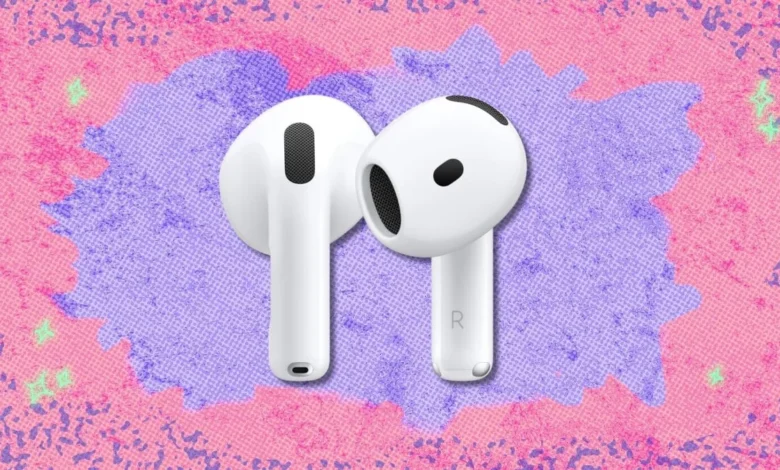
As of April 20, the Apple AirPods 2nd Generation, referred to in promotional material as "AirPods 4 (without ANC)," have become available on Amazon for an attractive price of $99, representing a $30 reduction from their standard list price of $129. This significant discount positions the popular true wireless earbuds at a sub-$100 price point, a threshold that historically drives considerable consumer interest and sales volume for premium technology products. The re-emergence of this particular deal underscores a strategic move within the competitive audio accessories market, offering an accessible entry point into Apple’s renowned ecosystem for a wide array of users.
The Return of a Coveted Deal
The current offering on Amazon is not merely a transient price cut but signifies the return of a pricing strategy that has previously proven effective in stimulating demand for Apple’s entry-level earbuds. For many consumers, the $99 price point transforms a desirable but sometimes perceived as premium product into an impulse purchase or a long-awaited upgrade. The deal, which commenced on April 20, provides a clear incentive for potential buyers who have been monitoring the market for an opportune moment to acquire Apple’s widely adopted audio solution. The immediate impact of such a promotion is typically a surge in sales, driven by both brand loyalty and the allure of a substantial saving. Historically, such aggressive pricing on high-demand electronics by major retailers like Amazon has consistently translated into heightened market activity and strengthened consumer engagement within the e-commerce landscape. This particular discount, reducing the earbuds’ cost by over 23%, positions them competitively against a vast array of wireless headphone options, both within and outside the Apple ecosystem, appealing to a broad demographic ranging from students to professionals seeking reliable everyday audio.
Understanding the AirPods 2nd Generation (The "AirPods 4 without ANC")
It is important to clarify the product designation. While the promotional language refers to "AirPods 4 (without ANC)," based on the listed price, features, and the absence of Active Noise Cancellation (ANC), this deal unequivocally pertains to the Apple AirPods 2nd Generation. Released in March 2019, the AirPods 2nd Generation served as the direct successor to the original AirPods, solidifying Apple’s position in the then-nascent true wireless earbud market. This model introduced several key enhancements over its predecessor, most notably the H1 chip. This proprietary chip revolutionized the user experience by enabling faster connection times, improved stability, and hands-free "Hey Siri" functionality, allowing users to activate Apple’s virtual assistant with a simple voice command without needing to tap an earbud. The H1 chip also contributed to more efficient power management, extending battery life and enhancing overall performance. Crucially, the 2nd Generation AirPods retained the iconic in-ear design of the originals, characterized by their "one-size-fits-all" approach, which prioritizes comfort and an open-ear listening experience over passive noise isolation. The absence of ANC is a defining characteristic of this model, differentiating it from the more premium AirPods Pro and AirPods Max lines, which incorporate advanced noise-canceling technologies. This distinction allows the 2nd Generation to be offered at a more accessible price point, catering to users who prioritize seamless connectivity, clear audio, and the convenience of the Apple ecosystem without requiring active noise cancellation. The "AirPods 4" designation is likely a simplified, perhaps SEO-driven, marketing term used by third-party retailers to denote a specific generation or variant, given that Apple’s official naming convention does not include a "fourth-generation" non-Pro AirPods model yet. The latest standard AirPods are the 3rd Generation, which does not feature ANC but has a different design and spatial audio capabilities, and a higher standard price point.
Key Features and User Experience
Despite being a few years old, the AirPods 2nd Generation continue to offer a compelling set of features that justify their enduring popularity, particularly at a discounted price. The core of their appeal lies in the seamless integration within the Apple ecosystem. Pairing with an iPhone, iPad, or Mac is virtually instantaneous, requiring only a single tap to connect. The H1 chip ensures stable Bluetooth 5.0 connectivity, minimizing dropouts and providing a consistent audio stream.
Audio quality, while not audiophile-grade, is robust and clear for everyday listening. Users can expect crisp highs, balanced mids, and a decent bass response suitable for a wide variety of content, including music, podcasts, audiobooks, and video calls. The open-ear design, while not providing noise isolation, offers a natural listening experience, allowing users to remain aware of their surroundings – a feature often preferred by commuters, joggers, or those who need to multitask.
Battery life remains a strong suit for the 2nd Generation AirPods. Each earbud delivers approximately five hours of listening time on a single charge. The accompanying charging case, which can be charged via a Lightning cable (and optionally wirelessly for a slightly higher initial cost variant, though the $99 deal typically refers to the standard charging case), extends the total listening time to over 24 hours, often reaching up to 30 hours. A quick 15-minute charge in the case provides up to three hours of listening time, making them highly convenient for users on the go.
Furthermore, the microphone performance is a notable advantage. Equipped with dual beamforming microphones, the AirPods 2nd Generation effectively filter out ambient noise to ensure clear voice pickup during phone calls, FaceTime conversations, or virtual meetings. This makes them a reliable tool for communication, distinguishing them from many budget earbuds that often compromise on microphone quality. The ability to switch seamlessly between devices linked to the same iCloud account further enhances their utility, providing a fluid user experience that is a hallmark of Apple products. For users already deeply embedded in the Apple ecosystem, these features provide a cohesive and intuitive audio experience that is hard to match at this price point.
Apple’s Strategy in the Competitive Audio Market
Apple’s approach to the wireless earbud market has been multi-faceted, segmenting its offerings to cater to various consumer needs and price sensitivities. The AirPods 2nd Generation serve as the foundational, entry-level product in this strategy. By keeping this model available and periodically discounting it, Apple ensures that it maintains a strong foothold in the mass market, attracting new users to its audio ecosystem. This strategy is particularly crucial in a market that has become increasingly saturated with competitors ranging from budget brands offering sub-$50 earbuds to premium manufacturers vying for the high-end segment.
The continued availability and strategic pricing of the 2nd Generation AirPods allow Apple to:
- Maintain Market Share: It provides a competitive option against numerous Android-compatible earbuds and other budget-friendly alternatives, preventing potential customers from opting for competing brands solely based on price.
- Ecosystem Lock-in: For many, the 2nd Gen AirPods represent their first Apple audio accessory, initiating or strengthening their commitment to the Apple ecosystem, which often leads to future purchases of iPhones, iPads, or other Apple services.
- Tiered Product Offering: It creates a clear differentiation between the entry-level AirPods (2nd Gen), the mid-range AirPods 3rd Generation (with spatial audio and a refreshed design but still no ANC), and the premium AirPods Pro (with ANC, transparency mode, and customizable fit). This tiered approach allows Apple to address a broader spectrum of consumer preferences and budgets.
- Leverage Brand Recognition: The iconic design and strong brand identity of AirPods continue to be powerful selling points, even for older models. A lower price point makes this brand prestige more accessible.
By allowing major retailers like Amazon to offer such aggressive discounts, Apple benefits from increased sales volume without necessarily eroding the perceived value of its newer, higher-priced models. This controlled discounting strategy is a common practice for tech giants looking to extend the lifecycle of successful products while simultaneously promoting their latest innovations.
Amazon’s Role in Driving Consumer Access
Amazon’s position as a dominant global e-commerce platform makes it a critical partner for brands like Apple in reaching a vast consumer base. The ability of Amazon to offer products at competitive prices, often below the manufacturer’s suggested retail price (MSRP), is a key driver of its success. For this specific AirPods deal, Amazon leverages its immense logistical capabilities and market reach to deliver value to customers.
Several factors contribute to Amazon’s ability to facilitate such deals:
- Volume Purchasing Power: Amazon’s sheer purchasing volume allows it to negotiate favorable terms with suppliers, including Apple, enabling it to offer products at lower prices while maintaining profitability.
- Competitive Landscape: Amazon operates in a highly competitive retail environment, both online and offline. Offering compelling deals on popular products like AirPods helps it attract and retain customers, driving traffic to its platform and encouraging cross-category purchases.
- Data-Driven Pricing: Amazon’s sophisticated algorithms analyze market demand, competitor pricing, and inventory levels to dynamically adjust prices. Deals like the $99 AirPods offer are often a result of these data-driven decisions to maximize sales and market share during specific periods.
- Promotional Events: While not explicitly tied to a major Amazon-specific sale event like Prime Day, periodic discounts on popular tech items are a regular feature of Amazon’s strategy to maintain consumer interest and momentum throughout the year.
For consumers, Amazon provides a trusted and convenient avenue for purchasing these discounted AirPods, complete with fast shipping options and robust customer service. The transparency of pricing and the ease of comparison shopping on Amazon further empower buyers to make informed decisions, making it an indispensable platform for tracking and capitalizing on technology deals.
Historical Context and Market Dynamics of Tech Deals
The current $99 pricing for the AirPods 2nd Generation is not an isolated incident but rather fits into a broader pattern of strategic discounting within the consumer electronics market. Tech products, especially popular ones, typically follow a predictable pricing lifecycle:
- Launch Price: High initial price reflecting innovation and early adopter demand.
- Gradual Decline: As newer generations are introduced, the older models see a gradual, often subtle, reduction in price.
- Periodic Flash Sales: Major retailers will periodically drop prices significantly, often to historic lows, to clear inventory, stimulate demand during specific shopping seasons (e.g., Black Friday, Prime Day, back-to-school), or respond to competitive pressures.
- End-of-Life Discounts: Towards the very end of a product’s lifecycle, prices may drop to clearance levels before the product is discontinued.
The current $99 deal for the AirPods 2nd Generation falls squarely into the "periodic flash sale" category, signaling a return to a price point that has been observed before, often during peak shopping events. This suggests that while the product continues to be in demand, retailers and manufacturers are willing to leverage aggressive pricing to maintain sales velocity. Industry analysts frequently observe that such price drops are carefully timed. They can be a response to a slowdown in sales of older models, a pre-emptive move before a competitor launches a new product, or simply a way to capitalize on increased consumer spending during specific times of the year. The fleeting nature of such "flash deals" ("may not be live for long," as stated in the original article) also creates a sense of urgency, encouraging immediate purchase decisions. This dynamic is a well-established psychological trigger in e-commerce, prompting consumers to act quickly to avoid missing out on perceived value.
Who Benefits from This Offer?
This particular deal for the AirPods 2nd Generation caters to several distinct consumer profiles:
- First-Time AirPods Buyers: Individuals who have long admired AirPods but found the standard price prohibitive can now enter the Apple audio ecosystem at a significantly reduced cost. This is an ideal starting point to experience the seamless connectivity and convenience.
- Users Replacing Older Models: Owners of original AirPods or even very early 2nd Generation models might be looking to replace aging units with dwindling battery life. The $99 price makes an upgrade affordable without investing in the more expensive 3rd Generation or Pro models.
- Budget-Conscious Apple Enthusiasts: For those who prioritize value and essential Apple features over premium additions like ANC or spatial audio, the 2nd Generation AirPods offer the core experience at an unbeatable price.
- Students and Casual Listeners: With their robust connectivity, clear microphone for online classes or calls, and comfortable fit for extended listening sessions, these AirPods are excellent for students or anyone needing reliable audio for daily commutes, workouts, or casual entertainment.
- Secondary Pair Seekers: Some users might already own AirPods Pro or another premium set but desire a more affordable, perhaps more rugged, secondary pair for specific activities like gym workouts or travel where the risk of loss or damage is higher.
The versatility of the AirPods 2nd Generation, combined with their integration into the broader Apple ecosystem, makes them a practical and appealing choice for a wide demographic seeking quality wireless audio without a hefty price tag.
The Broader Implications for the Earbud Landscape
The availability of the AirPods 2nd Generation at $99 has several broader implications for the true wireless earbud market:
- Increased Competition in the Mid-Range: While positioned as an entry-level Apple product, its $99 price point directly competes with many mid-range earbuds from other brands that might offer more features (like ANC) but often lack the seamless ecosystem integration or brand prestige of Apple. This forces competitors to innovate further or adjust their pricing strategies.
- Reinforcement of TWS Dominance: Deals like this reaffirm the continued strong demand for True Wireless Stereo (TWS) earbuds as the preferred audio solution for most consumers, contributing to the overall growth and maturation of this product category.
- Consumer Expectations: Frequent and significant discounts on popular tech items can recalibrate consumer expectations, leading buyers to increasingly wait for sales rather than purchasing at full MSRP, thereby influencing future retail strategies.
- Sustainability of Older Models: Apple’s ability to maintain sales volume for an older product like the 2nd Generation AirPods demonstrates the longevity of well-designed tech products, especially when supported by strategic pricing. This challenges the notion that consumers constantly need the absolute latest model.
In essence, this deal is more than just a momentary price cut; it is a micro-indicator of macro trends in technology retail, consumer behavior, and competitive dynamics within the rapidly evolving personal audio market.
Seizing the Opportunity
The opportunity to acquire Apple’s AirPods 2nd Generation for $99 at Amazon, a saving of $30, represents a compelling value proposition for a wide range of consumers. As of April 20, this deal makes one of the most recognized and widely adopted true wireless earbuds exceptionally accessible. Given the historical patterns of such promotions, it is advisable for interested buyers to act promptly, as these significant discounts on high-demand Apple products tend to be time-sensitive and stock-dependent. For those seeking reliable sound, effortless connectivity within the Apple ecosystem, and clear call quality without the premium price tag of active noise cancellation, this offer stands out as a prime moment to invest in a pair of AirPods.
Related posts: