In a significant security breach that underscores the vulnerabilities inherent in modern web supply chains, the real user monitoring (RUM) platform DebugBear became the vector for a sophisticated cyberattack. On October 29, 2026, the company issued an urgent directive to its user base, advising all website owners to immediately remove its monitoring scripts. The incident, which involved the hijacking of DebugBear’s Domain Name System (DNS) records, allowed malicious actors to inject harmful JavaScript directly into the websites of unsuspecting clients. The breach gained widespread attention after the prediction market platform Polymarket was targeted, resulting in unauthorized trading activity and the theft of user funds.
The Anatomy of the Breach: A DNS Hijacking
The security incident originated not from a failure of DebugBear’s internal application code, but from an external compromise of the company’s domain management infrastructure. By gaining unauthorized access to DebugBear’s domain registrar account, the attackers were able to modify the DNS settings associated with the domain. This maneuver allowed the perpetrators to redirect traffic intended for legitimate monitoring scripts to a server under their control.
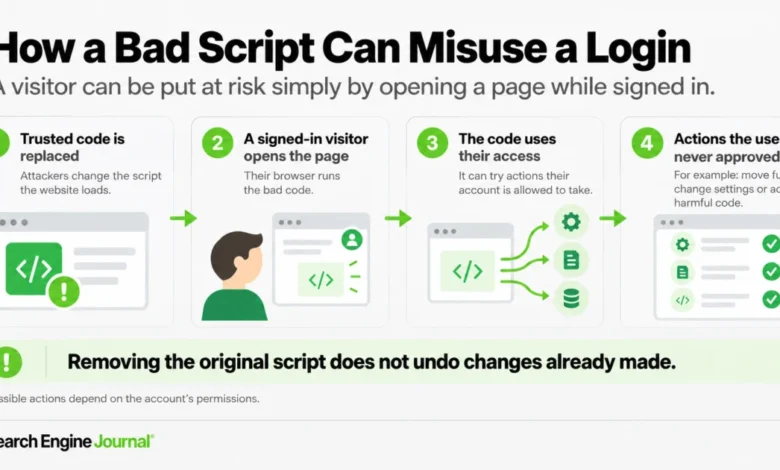
When a user’s browser attempted to load the DebugBear script, it instead fetched a malicious payload. Because the script was hosted on a domain that the website owner had explicitly trusted, browsers executed the code without triggering standard cross-site scripting (XSS) warnings. This "supply chain attack" is particularly dangerous because it bypasses traditional perimeter security, leveraging the implicit trust a website places in its third-party vendors.
Chronology of Events
The timeline of the attack highlights the speed at which such vulnerabilities can be exploited:
- October 29, 2026: DebugBear first identifies suspicious activity and confirms that its DNS records have been tampered with via its domain registrar. The company immediately notifies its customers to remove the monitoring script from their websites.
- October 29, 2026: Polymarket, a major prediction platform using DebugBear services, experiences an outage. Cybersecurity firm Hudson Rock identifies that the DebugBear script served on the Polymarket domain had been swapped for a malicious version.
- October 30, 2026: Polymarket issues an official incident report confirming that the compromised script facilitated the unauthorized sale of positions and the movement of funds from user wallets.
- Late October 30, 2026: DebugBear releases follow-up statements via social media platforms, including X (formerly Twitter), noting that their primary email communication systems were also impacted by the domain-level disruption.
The Polymarket Incident: A Case Study in Exploitation
The targeting of Polymarket serves as a stark illustration of how modern web applications can be exploited. The malicious code did not rely on traditional phishing methods or stolen passwords. Instead, it operated within the context of a user’s active session.
When a logged-in user visited the Polymarket site, the malicious script utilized the existing authentication tokens stored in the user’s browser. By mimicking legitimate API calls, the script was able to interact with the platform’s trading engine on the user’s behalf. This meant that the attacker did not need to bypass two-factor authentication or crack passwords; they simply "piggybacked" on the authenticated session already established between the user and the platform.
The impact was immediate and localized to the financial assets held within the platform. This highlights the danger of "excessive permissions" in third-party scripts. While RUM tools are designed to monitor performance and Core Web Vitals, they are often granted the ability to execute high-privilege operations within the browser environment. When such a tool is compromised, the "blast radius" is limited only by the permissions the script has been granted.

The Broader Implications for Web Security
The DebugBear breach is a sobering reminder that third-party dependencies are a significant blind spot in enterprise security strategies. Every script loaded on a website—be it for analytics, advertising, customer support, or performance monitoring—is a potential entry point for attackers.
Historically, organizations have focused heavily on protecting their own servers and databases. However, the "client-side" of the application has become an increasingly attractive target. According to data from various cybersecurity reports, nearly 98% of modern websites utilize third-party scripts, and a significant portion of those are updated frequently, making it nearly impossible for IT teams to audit every line of code in real-time.
Recommendations for Site Owners and Security Teams
In the wake of this incident, security professionals recommend a multi-layered approach to mitigating the risk of compromised third-party scripts:
- Implement Subresource Integrity (SRI): SRI is a security feature that allows browsers to verify that resources fetched from third-party servers have not been manipulated. By including a cryptographic hash in the
<script>tag, the browser will refuse to execute the code if the file has been altered. - Content Security Policies (CSP): A robust CSP can restrict the domains from which a website is allowed to load scripts. By strictly defining trusted sources, an organization can prevent a hijacked domain from serving unauthorized content, even if the DNS records are compromised.
- Principle of Least Privilege: Evaluate the necessity of third-party scripts. If a tool requires access to sensitive user data or API endpoints, consider whether those functions can be isolated or if the tool can be replaced with a more secure, self-hosted alternative.
- Vendor Risk Management: Organizations should audit their vendors’ security practices, including their domain management, MFA (Multi-Factor Authentication) requirements for administrative accounts, and incident response capabilities.
- Immediate Remediation: For those who were using DebugBear, it is not enough to simply remove the script. Security teams should perform a thorough forensic audit of user logs to identify any anomalous account activity that occurred during the period the script was active.
Analysis: Why DNS Hijacking Remains Effective
DNS hijacking remains a preferred method for attackers because it is relatively easy to execute if an organization fails to secure its domain registrar account. Registrar accounts are often overlooked during security hardening, sometimes lacking the stringent MFA or hardware security key requirements applied to core cloud infrastructure.
Furthermore, once a DNS record is updated, the changes propagate across the internet relatively quickly. This creates a "time-to-live" (TTL) window where the attacker can serve malicious code to thousands of users before the legitimate owner can regain control of their domain. In the case of DebugBear, the speed of the attack outpaced the defensive measures of many of its clients, demonstrating that when a supply chain is breached, the responsibility for protection shifts rapidly to the end-user.
Moving Forward
DebugBear has stated that its internal systems were not directly breached and that the attack was confined to the DNS management layer. As the company works to restore its services and rebuild trust, the broader tech industry is left to grapple with the fragility of the web’s ecosystem.
For SEO experts and developers, the incident is a wake-up call. The pursuit of data, performance metrics, and search engine optimization rankings must be balanced with a rigorous approach to security. As websites become increasingly dynamic and reliant on external integrations, the "trust-but-verify" model of web development is no longer optional—it is a mandatory component of digital infrastructure management.
While the immediate threat posed by the specific DebugBear script has been mitigated through its removal, the long-term impact on the affected users remains a subject of ongoing investigation. Organizations should use this event as a catalyst to review their entire suite of third-party dependencies, ensuring that a single point of failure does not compromise the security and integrity of their entire platform. As the digital landscape continues to evolve, the resilience of the web will depend on the ability of its builders to secure the invisible threads that hold modern websites together.