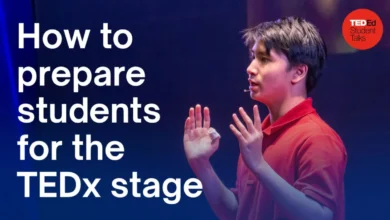
From Small-Town Ambition to Global Stages: How TED Summer School is Redefining Youth Leadership and Public Speaking

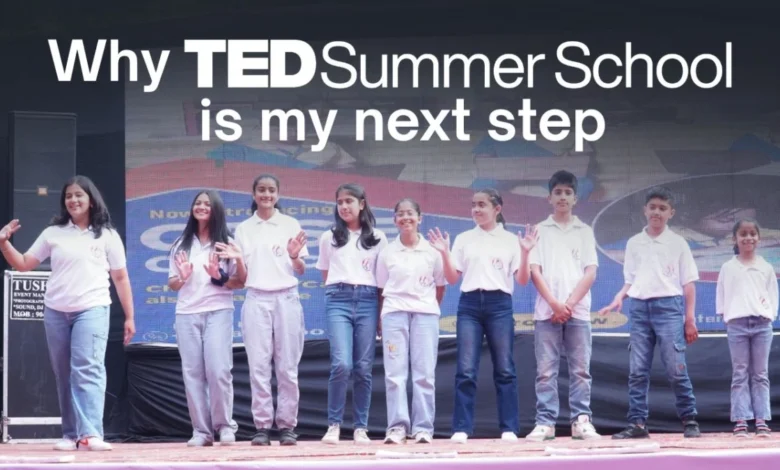
For over a decade, the TED-Ed Student Talks initiative has functioned as a critical infrastructure for student empowerment, providing a global platform for millions of young people to cultivate their voices, passions, and self-confidence. This educational mission has now reached a new strategic milestone through a formal partnership with Immerse Education. Together, they have launched TED Summer School, an intensive, two-week academic residency program designed specifically for students aged 15 to 18. This collaboration represents a significant evolution in youth-focused programming, moving beyond the traditional extracurricular model to offer professional-grade training in public speaking, narrative architecture, and leadership development.
The Evolution of the TED-Ed Pedagogy
The origins of TED-Ed’s educational outreach date back to the early 2010s, when the organization recognized a growing demand for a structured approach to student advocacy. The program was built on the premise that the ability to articulate complex ideas is not merely a soft skill but a foundational requirement for 21st-century leadership. By facilitating local TEDx events and student-led showcases, TED-Ed has successfully decentralized the "idea worth spreading" model, shifting the focus from global experts to the lived experiences of adolescents.
The introduction of TED Summer School serves as an advanced extension of this pedagogical framework. While traditional TED-Ed Student Talks provide a baseline for presentation, the Summer School curriculum incorporates core theoretical frameworks, intensive practical workshops, and one-on-one mentorship from university-level experts. This shift addresses a documented gap in secondary education: the lack of formal, high-stakes training in rhetoric and intellectual synthesis.
A Case Study in Student Advocacy: The Journey of Samya Gupta
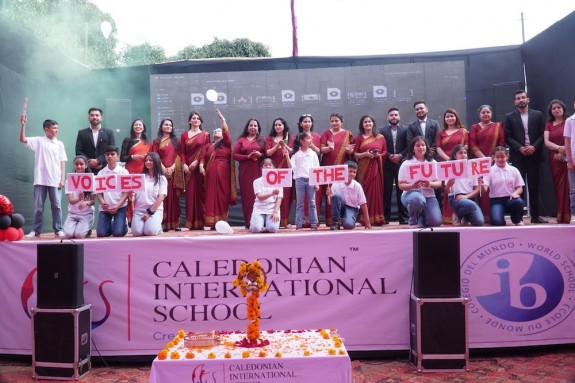
To understand the practical application of this program, one must examine the trajectory of Samya Gupta, a student from India whose engagement with the TED-Ed ecosystem serves as a template for prospective participants. Gupta’s involvement began within the confines of her local school district, where she participated in the TED-Ed Student Talks program before transitioning into a leadership role as a student coordinator for local TEDx events.
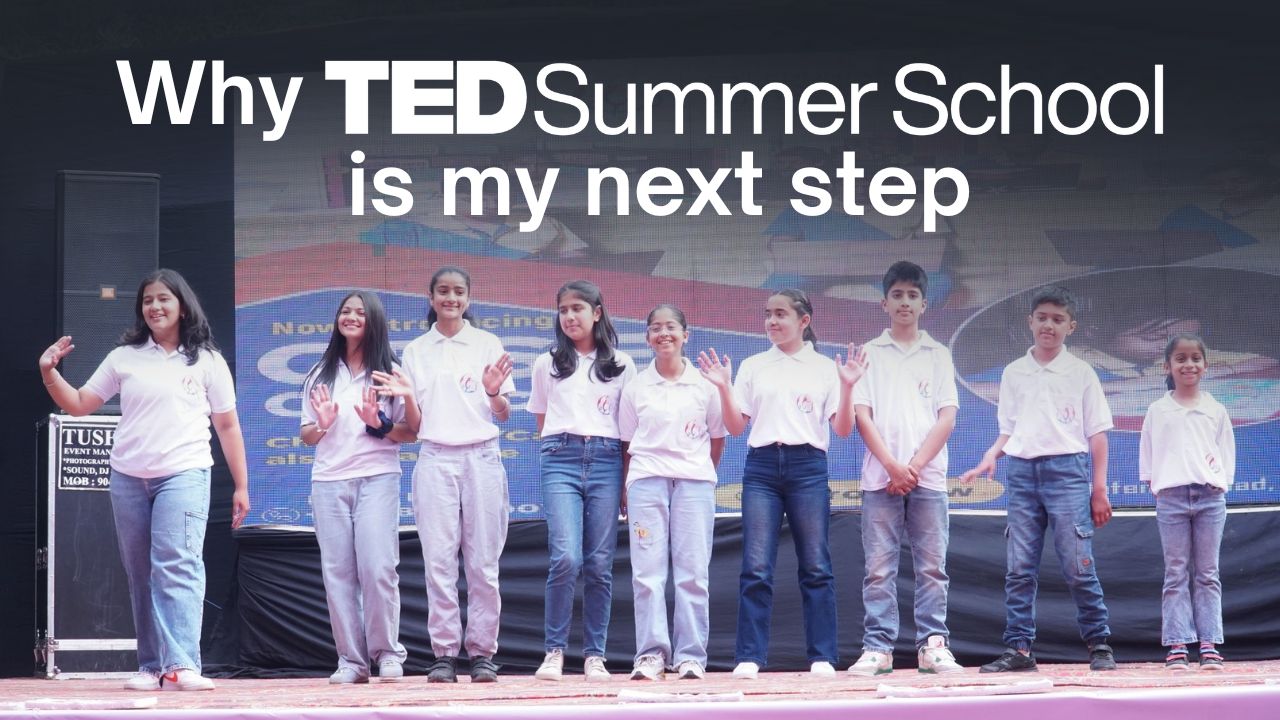
Gupta’s experience underscores the rigorous nature of these programs. During her tenure as a student coordinator, she managed the logistical complexities of hosting public-facing events, coordinating speaker schedules, and overseeing technical presentations. This operational responsibility provided a real-world application of the leadership principles fostered by the TED-Ed framework.
Her specific focus—the mental health challenges facing teenagers in India—highlights the topical relevance of student-led advocacy. By tailoring her message to reach parents, Gupta demonstrated an advanced understanding of audience analysis, a core competency in effective public speaking. Her ability to distill complex, culturally sensitive data into a compelling narrative arc illustrates the efficacy of the TED-Ed methodology in moving students from passive learners to active, informed participants in the national conversation.
Data-Driven Success: The Learning to be Heard Challenge
The expansion of these programs is supported by high levels of engagement. The "Learning to be Heard" challenge, which served as the primary gateway for the inaugural TED Summer School scholarships, received over 2,000 global submissions. The selection process involved evaluating students on their capacity to condense global challenges into a cohesive one-minute narrative.
Gupta’s success in this competition—placing among the top 11 applicants—serves as a case study for the program’s reach. Her submission challenged the narrative of geographic limitation, articulating the experience of a student from a smaller town navigating an increasingly globalized academic environment. Her message—that one’s origin is not the definitive marker of one’s potential—resonated with a panel of judges looking for authentic, impactful storytelling. This scholarship not only facilitated her participation in the Singapore cohort of the Summer School but also serves as a proof-of-concept for the organization’s commitment to diversity and accessibility.
Analyzing the Impact of Immersive Educational Models
The implications of programs like TED Summer School are significant within the context of global education. As universities and employers increasingly prioritize communication skills and cross-cultural competence, the value of intensive summer residencies has risen. Data suggests that students who participate in immersive leadership programs show a 30% increase in confidence metrics related to public speaking and a marked improvement in their ability to engage with complex, abstract problem-solving.
Furthermore, the integration of university-level mentors into the TED Summer School curriculum provides students with a crucial networking bridge. For many participants, including Gupta, the program serves as a preparatory stage for higher education. By engaging with mentors from top-tier institutions, students are able to evaluate their academic goals and professional aspirations against the realities of competitive university environments. This creates a "feedback loop" where the student’s personal development is directly informed by the professional insights of those currently navigating the academic landscape.
Chronology of the TED-Ed Expansion
The timeline of this growth reveals a deliberate, phased strategy by the TED organization:
- 2012–2014: Initial rollout of TED-Ed Student Talks, focusing on school-based clubs and localized presentation showcases.
- 2015–2020: Rapid scaling of the TEDx Youth program, establishing a global network of student-organized conferences.
- 2021–2024: Formalization of the "Learning to be Heard" digital initiative, increasing accessibility to students in remote or underserved areas.
- 2025–2026: Launch of the TED Summer School partnership with Immerse Education, marking the transition from extracurricular club activity to a structured, intensive academic residency.
Official Perspectives and Future Outlook
While representatives from Immerse Education have maintained that the partnership is focused on "transformative growth," the broader implications suggest a shift toward a more professionalized approach to extracurricular education. The program is currently operating across multiple global hubs, including Singapore, New York, and London, with additional virtual cohorts designed to bypass the physical and economic barriers associated with international travel.
For students like Gupta, the objective is twofold: to refine her public speaking skills and to build a network of peers and mentors who share a commitment to social impact. As she prepares for the Singapore program, her focus remains on the "end goal"—not merely being heard, but ensuring the substance of the message has the potential to affect change.
The long-term impact of this program will be measured not only by the number of participants but by the quality of the intellectual contributions they make in their respective fields. By equipping students with the tools to structure their ideas, present them with authority, and iterate on their feedback, TED Summer School is essentially creating a new class of young changemakers.
As the program continues to evolve, the challenge will be maintaining the balance between the grassroots, student-led ethos of the original TED-Ed program and the more formal, academic requirements of a university-partnered residency. For now, the integration of these two models appears to be yielding high engagement and, as evidenced by the "Learning to be Heard" competition, a high level of intellectual output from its participants. The next step in this journey will be the evaluation of the inaugural cohort’s final presentations, which are expected to set a new standard for student-led advocacy on the global stage.
The organization plans to continue these check-ins, monitoring how the participants translate their summer experiences into long-term academic and professional outcomes. As global education continues to emphasize the intersection of technology, communication, and social responsibility, the role of such programs will likely become an increasingly essential component of the secondary school experience for ambitious students worldwide.