Demystifying the Home Appraisal Process: What Buyers, Sellers, and Homeowners Need to Know

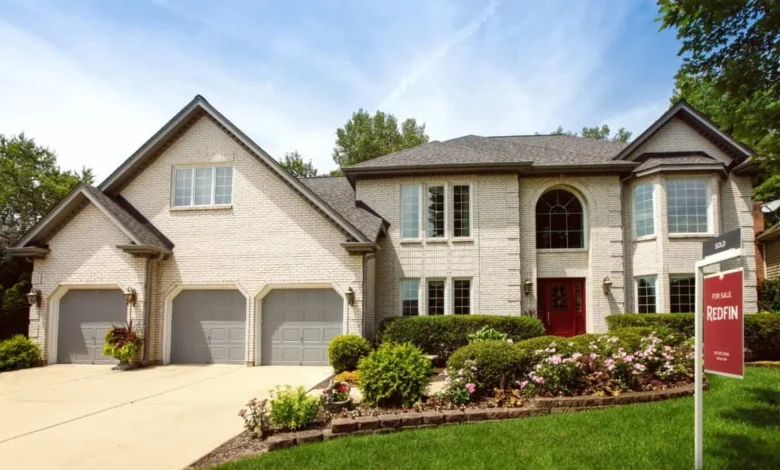
The real estate transaction landscape is fraught with moving parts, contingencies, and financial milestones that can induce stress for both buyers and sellers. Among the most critical yet frequently misunderstood stages of purchasing a home, refinancing, or securing home equity financing is the home appraisal. Whether negotiating a real estate contract in rapidly growing markets like Dumfries, Virginia, Tampa, Florida, or navigating suburban housing sectors nationwide, stakeholders often find themselves asking fundamental questions: What precisely does a licensed appraiser look for? How long does the on-site inspection take? And what occurs once the formal valuation report is submitted to the lender?
An independent home appraisal provides an objective, professional opinion regarding a property’s current fair market value. Far more than a mere formality, it acts as a foundational pillar in the modern mortgage lending process. To navigate this technical hurdle successfully, industry professionals advise buyers and sellers to look beyond surface-level aesthetics and understand the complex methodology, rigorous standards, and regulatory frameworks that dictate how real estate value is formally calculated.
Understanding the Core Definition: Appraisal Versus Inspection
A common point of confusion among first-time homebuyers and novice sellers is conflating a home appraisal with a home inspection. While both require a physical visit to the property, their underlying purposes, scopes, and regulatory objectives are entirely distinct.
A home inspection is primarily concerned with the physical condition, structural integrity, and operational status of a home’s systems. Inspectors search diligently for active roof leaks, faulty wiring, plumbing deficiencies, code violations, and structural damage, delivering a comprehensive diagnostic report detailing what repairs or safety interventions are needed.
Conversely, a home appraisal is commissioned primarily to determine financial value. When a buyer finances a residential purchase through a mortgage loan, the lending institution mandates an appraisal to verify that the underlying real estate asset offers adequate financial collateral to secure the loan amount. If a borrower defaults and the lender must foreclose, the property must command enough value on the open market to recover the advanced capital. Beyond purchase transactions, appraisals are routinely required for mortgage refinancing, HELOCs (Home Equity Lines of Credit), estate planning, and tax assessments.
The Step-by-Step Chronology of the Appraisal Process
The modern home appraisal is not a snapshot judgment made on the fly; it is a structured, multi-phase professional workflow that combines empirical on-site observation with extensive macroeconomic and microeconomic market research. While minor variations exist depending on the property type, size, and assignment complexity, a standard appraisal generally adheres to a strict chronological framework.
Phase 1: The On-Site Property Inspection
The process invariably begins with an independent on-site visit conducted by a licensed or certified real estate appraiser. During this appointment, the appraiser systematically observes, measures, and documents both the interior and exterior boundaries of the property. Depending on the scale, architectural layout, and overall condition of the home, this site visit can range from 30 minutes for a standard suburban condominium to several hours for sprawling luxury estates or historically complex properties.
The appraiser measures total gross living area (GLA), catalogs room counts (including bedrooms and bathrooms), notes the presence of finished versus unfinished basements, and evaluates the condition of permanent structural components. These components include the roof, foundation, exterior siding, windows, and major mechanical infrastructure such as HVAC (heating, ventilation, and air conditioning) systems, electrical panels, and water heaters. Furthermore, the appraiser documents visible signs of deferred maintenance, structural wear-and-tear, or environmental hazards that could impede marketability.
Phase 2: The Neighborhood and Exterior Assessment
Beyond the physical footprint of the home, the appraiser evaluates the immediate lot, topography, landscaping, driveway conditions, and auxiliary structures such as detached garages, sheds, decks, patios, or swimming pools. Crucially, the appraiser examines the surrounding neighborhood, assessing its geographic boundaries, proximity to commercial hubs, school districts, transportation arteries, and general community desirability. The objective is never to critique the homeowner’s interior design choices or personal decorating tastes, but rather to contextualize how the property fits within its broader geographic micro-market.
Phase 3: Comprehensive Comparable Market Research
Once the physical inspection concludes, the appraiser pivots to desk research, pulling real estate data to identify recent comparable sales—commonly referred to in the industry as "comps." These are properties of similar size, age, style, and geographic proximity that have successfully sold within the past three to six months.
Because no two homes are completely identical, the appraiser conducts a sophisticated comparative adjustment process. If a comparable property features an upgraded gourmet kitchen while the subject property features a standard kitchen, the appraiser applies a downward dollar adjustment to the comparable sale. Conversely, if the subject property boasts an extra half-bathroom or a newly finished basement that the comparable property lacks, upward adjustments are factored in.
Core Drivers of Real Estate Value: What Actually Moves the Needle?
Homeowners frequently invest thousands of dollars into home improvement projects under the assumption that every dollar spent will yield a direct, dollar-for-dollar increase in their home’s appraised value. Industry veterans caution that this is a widespread misconception.

According to Corey Ferguson, a residential appraiser and principal at Mercor Realis, the home upgrades that carry the most weight during an evaluation are those that broad segments of the buyer pool consistently demand and pay for. "Permanent, functional improvements carry the most weight—updated kitchens and baths, added square footage, finished basements, and newer major systems like the roof, furnace, and electrical," Ferguson explains.
Conversely, Ferguson notes that homeowners frequently overestimate the financial return on highly specialized or luxury installations, such as backyard swimming pools, ultra-luxury custom finishes that significantly exceed neighborhood architectural norms, or purely cosmetic enhancements like fresh interior paint and elaborate landscaping. "Those help a home show and sell quickly on the open market, but they rarely move the appraised number much," he adds.
Reinforcing this perspective, Robert Surns, a residential appraiser at Lakeshore Appraisal, emphasizes the empirical nature of the valuation science. "Recent comparable sales provide hard evidence of what buyers are currently paying for similar homes in the exact same market sector. Appraisers analyze these sales meticulously to align the subject property with current market activity and support a credible, legally defensible opinion of value," Surns states.
Loan-Specific Guidelines: FHA and VA Appraisals
While conventional mortgage appraisals focus primarily on market value and basic structural soundness, government-backed loan programs enforce strict, non-negotiable property standards designed to protect both the borrower and the federal lending insurance fund.
FHA Home Appraisals
When a borrower utilizes a Federal Housing Administration (FHA) loan, the appraiser wears two hats: they evaluate market value while simultaneously enforcing FHA Minimum Property Standards. These standards mandate that the home must be safe, secure, and structurally sound. If the appraiser identifies peeling or chipping lead-based paint on homes built prior to 1978, exposed and hazardous electrical wiring, active roof leaks, uncorrected foundation shifts, or severe moisture damage, these deficiencies must be professionally remediated before the mortgage lender will clear the loan to close.
VA Home Appraisals
Similarly, Department of Veterans Affairs (VA) home loans require independent appraisals executed by VA-credentialed appraisers. These evaluations enforce Minimum Property Requirements (MPRs), ensuring the property is safe, sanitary, and structurally adequate. VA appraisals closely scrutinize adequate heating infrastructure, functional utilities, safe access roads, and freedom from termite or wood-destroying insect infestations. If an issue is flagged during a VA appraisal, the lender dictates the necessary repairs before the transaction can proceed toward final settlement.
The Aftermath: Navigating Appraisal Results and Low Valuations
Once the appraiser finalizes their research, the complete appraisal report—often spanning dozens of pages of data, maps, sketches, and comparable photo exhibits—is transmitted to the mortgage lender’s underwriting department.
Scenario A: Meeting or Exceeding the Purchase Price
If the appraised value meets or exceeds the agreed-upon purchase price, the mortgage underwriting process moves forward seamlessly. The transaction proceeds toward closing without valuation-related friction, assuming all other financial and credit conditions are satisfied by the buyer.
Scenario B: The Low Appraisal Challenge
If the appraisal comes in significantly lower than the contract purchase price, a complex financial barrier emerges. Because lenders base their maximum loan-to-value (LTV) ratios strictly on the appraised value rather than the contract price, a shortfall leaves the buyer facing a sudden capital deficit.
When a low appraisal occurs, parties typically have several recourse options:
- The buyer brings additional cash to the closing table to cover the difference between the loan amount and the purchase price.
- The seller agrees to reduce the purchase price to match the appraised value.
- The buyer and seller negotiate a split compromise, sharing the financial gap.
- The buyer or seller formally challenges the appraisal through a Reconsideration of Value (ROV) process, submitting superior, overlooked comparable sales to the lender for review.
Broader Economic Implications and Industry Outlook
In housing markets characterized by rapid price appreciation or sudden inventory contractions, the home appraisal process acts as an essential macroeconomic stabilizing mechanism. By anchoring purchase prices to verifiable historical transaction data, appraisals prevent runaway speculative bubbles and protect institutional lenders from over-leveraging residential real estate portfolios.
For prospective buyers, understanding the rigorous mechanics of an appraisal demystifies an otherwise opaque bureaucratic hurdle. For sellers and homeowners preparing to list their properties, recognizing which capital improvements genuinely impact valuation allows for smarter financial planning and realistic pricing strategies. While market forces and localized economic conditions remain fundamentally outside individual control, comprehensive preparation ensures that navigating the technicalities of a real estate transaction remains an informed and manageable endeavor.