Federal Trade Commission Launches Sweeping Inquiry Into Airline and Retail Pricing Practices Over Potential Surveillance Algorithms

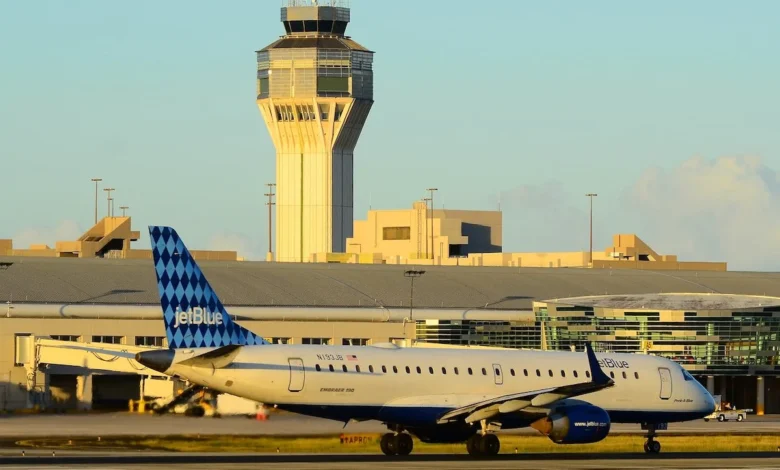
Federal regulators have intensified their scrutiny of modern corporate pricing structures, setting their sights firmly on the aviation, retail, and gig economy sectors. Last week, the Federal Trade Commission (FTC) took a significant regulatory step by issuing compulsory information requests to major domestic air carriers, including Delta Air Lines, United Airlines, and JetBlue. This sweeping directive requires these companies to hand over comprehensive proprietary data detailing the algorithmic frameworks and methodologies they deploy to establish consumer ticket prices.
The inquiry forms a core component of a broader, highly prioritized federal study designed to investigate whether modern corporations are leveraging consumer personal information, browsing habits, and digital footprints to engage in individualized price discrimination—a practice increasingly referred to by consumer advocates and regulators as "surveillance pricing." Under the terms of the federal order, the targeted airlines, alongside a diverse cohort of retail giants and gig economy platforms, have been granted a strict window of 45 days to comply with the agency’s data demands.
The regulatory push highlights a growing bipartisan concern in Washington regarding the black-box nature of contemporary pricing algorithms. As artificial intelligence and big data analytics become deeply integrated into commercial operations, the boundary between traditional market-driven pricing and invasive, personalized cost extraction has grown increasingly blurred.
Regulatory Scope and the Targets of the Inquiry
The FTC’s recent orders are not limited solely to the commercial aviation sector. In a coordinated multi-industry sweep, the federal commission dispatched identical compulsory orders to a wide array of prominent corporations spanning retail and app-based gig work. Alongside Delta, United, and JetBlue, the agency targeted major delivery and transportation networks including Uber, Lyft, DoorDash, and Instacart, as well as traditional brick-and-mortar retail conglomerates Target and Walmart.
While the inquiries directed at airlines and retail stores focus squarely on consumer-facing price determination, the orders sent to gig economy platforms carry a dual mandate. In addition to examining how these digital marketplaces price rides and deliveries for end-users, the FTC is explicitly demanding internal documentation regarding how these same algorithms calculate compensation and wages for gig workers performing identical tasks.
FTC Chairman Andrew Ferguson emphasized the gravity of the investigation in an official statement accompanying the rollout of the orders. The agency, Ferguson noted, intends to shine a bright light on the opaque and often incomprehensible methodologies deployed across these critical economic sectors.
"We intend to scrutinize the opaque methodology that some companies in these industries may be using to determine how much consumers pay or how much gig workers are paid for the same product or service," Ferguson stated.
The inclusion of companies like Target and Walmart signals that the federal government is looking beyond travel and transit, aiming to understand how everyday consumer goods—from groceries to household electronics—might be priced differently depending on who is browsing the virtual aisle.
Understanding the Spectrum: Dynamic Pricing Versus Surveillance Pricing
To fully contextualize the FTC’s latest regulatory action, it is necessary to examine the technological evolution of modern ticket sales and retail marketing. For decades, consumers and economists have grown accustomed to "dynamic pricing"—a legitimate and long-standing practice where the cost of a good or service fluctuates based on macro-level market conditions.
In the airline industry, dynamic pricing is the foundational engine behind revenue management. Fares rise and fall depending on overall seat availability, historical seasonal demand, fuel price volatility, proximity to the departure date, and route-specific competition. If a flight from New York to Los Angeles fills up quickly months in advance, or if bookings spike dramatically during the Thanksgiving holiday weekend, automated revenue systems raise ticket prices to optimize the carrier’s yield. Crucially, under traditional dynamic pricing, two consumers booking the exact same seat on the exact same flight at the exact same moment will see the same price, regardless of their individual demographic profiles or personal wealth.
Surveillance pricing, however, represents a radical and controversial departure from traditional market mechanics. Instead of relying solely on supply, demand, and aggregate market trends, surveillance pricing utilizes granular, individualized data harvested from consumer surveillance networks. This includes browsing histories, purchasing habits, geographic locations, device types (such as whether a consumer is shopping from an expensive Apple MacBook versus a budget smartphone), credit scores, and estimated income levels.
By running these massive data points through machine learning models, companies can theoretically determine the absolute maximum amount a specific individual consumer is willing to pay for a specific product at a specific moment in time. If an algorithm determines that a traveler desperately needs to book a flight for an emergency and possesses high disposable income, surveillance pricing mechanisms could theoretically inflate that specific user’s quote, effectively charging different customers vastly different prices for the exact same service based on their personal digital profile.
A Chronology of Growing Federal Scrutiny
The FTC’s recent actions do not occur in a vacuum; rather, they represent the culmination of years of mounting regulatory anxiety surrounding algorithmic governance, corporate transparency, and consumer protection.
The timeline of federal intervention into algorithmic pricing highlights a steady escalation of oversight:
- Early 2021: Following the economic disruptions of the COVID-19 pandemic, consumer advocacy groups begin filing informal complaints regarding wild fluctuations in airline ticket prices and car rental rates, pointing to the expanding role of automated pricing software.
- Late 2022: The FTC, under the leadership of Chair Lina Khan, begins hosting public workshops and listening sessions focused on the economic implications of algorithmic collusion, big data tracking, and artificial intelligence in consumer markets.
- Mid-2023: Economic researchers and academic institutions publish a series of alarming working papers suggesting that online retailers and travel booking engines routinely utilize user device tracking to personalize search results and manipulate displayed pricing tiers.
- January 2024: The FTC launches a comprehensive market study into the grocery supply chain, signaling the agency’s willingness to use its broad statutory authority under Section 6(b) of the Federal Trade Commission Act to demand non-public corporate data.
- July 2024: Regulatory bodies in both the United States and the European Union begin holding joint briefings on the intersection of data privacy violations and discriminatory digital pricing models.
- Present Day: The FTC issues formal Section 6(b) orders to airlines, retail chains, and gig platforms, setting a strict 45-day deadline for companies to disclose their internal pricing algorithms and data-sharing agreements.
Industry Response and Stakeholder Reactions
Unsurprisingly, the targeted corporations and major industry trade associations have pushed back against the characterizations implicit in the FTC’s inquiry, defending their pricing models as standard, pro-competitive business practices designed to manage capacity and efficiently distribute inventory.
Representatives for the commercial aviation sector have consistently maintained that airline ticket pricing is among the most competitive and transparent pricing structures in the modern global economy. Major carriers argue that consumers have unprecedented access to flight comparisons through online travel agencies, meta-search engines, and mobile applications, ensuring that excessive markups are quickly disciplined by market competition.
Airlines for America (A4A), the principal trade and lobbying organization representing major U.S. carriers, has previously emphasized that revenue management systems are essential to the economic viability of the airline industry. Industry defenders argue that dynamic pricing allows carriers to fill aircraft that might otherwise fly empty, thereby subsidizing lower fare classes for budget-conscious leisure travelers while extracting premium revenue from business travelers who book at the last minute.
Meanwhile, representatives from the retail and gig economy sectors have similarly defended their technological platforms. Retail giants like Walmart and Target utilize complex, automated inventory management systems that adjust prices dynamically based on localized supply chain pressures, physical store inventory levels, and regional competitor pricing. Gig economy firms like Uber and DoorDash argue that their algorithmic matching and pricing tools are necessary to balance real-time surges in driver supply with sudden spikes in consumer demand, ensuring reliable service delivery across massive metropolitan footprints.
However, consumer protection organizations and digital rights advocates have strongly applauded the FTC’s aggressive posture. Groups focused on privacy and economic justice argue that personalized pricing models represent an insidious form of economic extraction that preys on vulnerable consumers who may lack digital literacy or viable alternative options.
"For too long, consumers have been forced to navigate a digital marketplace rigged by invisible algorithms designed to extract every last dollar from their wallets," said a prominent consumer privacy advocate following the announcement. "The FTC’s inquiry is a vital first step in ensuring that digital commerce remains fair, transparent, and free from discriminatory pricing practices rooted in unwarranted digital surveillance."
Broader Economic and Legal Implications
The outcome of the FTC’s current investigation could profoundly reshape the legal and technological landscape of American commerce for decades to come. If the federal agency uncovers widespread evidence that airlines and retailers are utilizing private consumer data to engage in predatory or deceptive price discrimination, the regulatory fallout could trigger severe enforcement actions, substantial financial penalties, and sweeping new federal rulemaking.
From a legal perspective, the FTC is relying on its broad investigative powers granted under Section 6(b) of the FTC Act, which permits the commission to conduct wide-ranging economic studies and require corporations to file special reports or answer specific written questions under oath. While these initial orders are exploratory rather than punitive, they frequently serve as the foundational evidentiary base for subsequent antitrust lawsuits, consumer protection enforcement actions, or formal trade regulation rules.
The economic implications for the airline industry are particularly acute. Commercial aviation operates on notoriously thin profit margins, highly sensitive to fuel price fluctuations, labor negotiations, and macroeconomic downturns. If airlines are legally compelled to dismantle or drastically alter their sophisticated revenue management algorithms, carriers could be forced to restructure their entire ticketing architectures. Such a shift could fundamentally alter how airline seats are inventoried, marketed, and sold to the public, potentially leading to more rigid, predictable pricing tiers—or, conversely, compressed profit margins that could impact long-term capital investments in fleet modernization and customer service.
Furthermore, the inquiry serves as a significant warning shot to the broader corporate landscape. Companies across all sectors of the economy are racing to integrate artificial intelligence, machine learning, and consumer data collection into their core operational strategies. The FTC’s message is clear: the pursuit of algorithmic efficiency cannot come at the expense of consumer transparency, fairness, and fundamental privacy rights.
As the 45-day compliance clock ticks down, all eyes in the corporate, legal, and regulatory communities remain fixed on Washington. The data handed over by Delta, United, JetBlue, and their corporate peers will soon provide federal regulators with an unprecedented inside look at the digital machinery driving modern consumer prices. What the FTC discovers in those proprietary algorithms may well determine the future boundaries of digital capitalism in the United States.